While much attention has focused on Ukrainian drone and missile strikes against Russian naval targets, Moscow has been waging its own campaign to cripple Ukraine's maritime trade. Over the past several months, Russian forces have systematically targeted merchant vessels moving in and out of Ukrainian Black Sea ports, aiming to strangle the country's vital grain exports.
Data compiled between June 20 and July 20 shows Russian attacks hit 28 commercial ships near Odesa, killing 21 sailors. The deadliest incident involved a vessel carrying corn under the flag of Guinea-Bissau, where 10 crew members lost their lives. These strikes have not only caused tragic loss of life but have also severely disrupted Ukraine's ability to ship agricultural products to world markets.
Port of Odesa under pressure
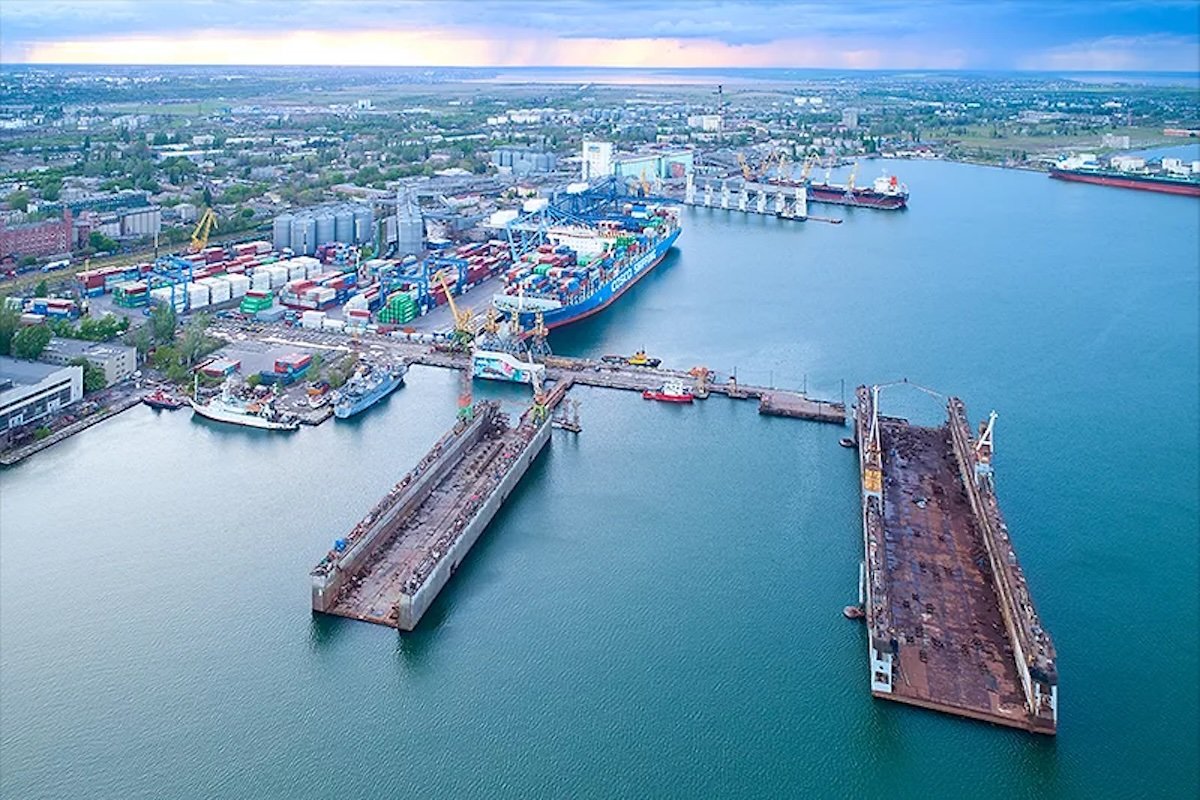
The port of Odesa, along with other Ukrainian ports not under Russian occupation, has become a focal point of this maritime conflict. Reports from individuals recently in Odesa indicate growing concern about the deteriorating situation. On July 22, not a single merchant ship entered Ukrainian waters to load grain, a stark indicator of the blockade's effectiveness. This development was significant enough that Ukraine's Foreign Minister publicly highlighted it on social media.
Since then, it remains unclear whether any vessels have successfully reached Ukrainian ports to collect grain. The timing is particularly damaging, as the region is entering the peak season for agricultural production and export.
This campaign is part of a broader war on ports and shipping infrastructure. Both Russia and Ukraine depend heavily on maritime exports for revenue—Russia on oil, Ukraine on grain. The disruption to shipping has profound economic consequences for both sides.
Russia has suffered significant income losses due to Ukrainian attacks on its ports, refineries, and shipping assets. These strikes have forced Moscow to import fuels such as gasoline, diesel, and jet fuel that it previously produced domestically, further straining its economy. The reduced outward flow of oil and refined products is depriving Russia of substantial revenue.
In contrast, Ukraine's losses are primarily financial rather than existential. While the disruption to grain exports hurts its economy, Ukraine's domestic food supply remains secure. With continued support from European partners, Ukraine may be better positioned to withstand this economic pressure than Russia, though the challenges remain formidable.
The broader implications of this maritime conflict extend beyond the Black Sea. As Ukrainian strikes on Russian oil refineries threaten economic crisis, the energy and food markets remain volatile. The tactical alliance between Houthis and Al-Shabaab to disrupt Red Sea shipping shows how maritime chokepoints are increasingly contested worldwide.
For Asia, the disruption of Ukrainian grain exports has direct consequences. Countries like Indonesia, the Philippines, and Bangladesh rely on Black Sea wheat and corn imports. Indonesia's multi-alignment strategy illustrates how regional powers are navigating the geopolitical fallout, balancing ties with both Russia and the West.
The conflict over shipping lanes is intense and will likely shape the war's outcome. As Russia continues to target Ukrainian ports, the international community faces mounting pressure to respond. The stakes are high not only for the belligerents but for global food security and maritime trade.