Four and a half years after Vladimir Putin ordered the full-scale invasion of Ukraine, the Kremlin's position is increasingly resembling a bear trap: powerful enough to remain dangerous, but with every struggle to maintain its current course only deepening the structural problems it faces. Russia is not on the verge of collapse—it still occupies large parts of Ukrainian territory and continues to launch hundreds of drones and missiles at cities like Kyiv, Kharkiv, and Odesa. Yet the war is no longer a contest Moscow can simply endure; it has become a conflict with no obvious exit and no credible path to victory.
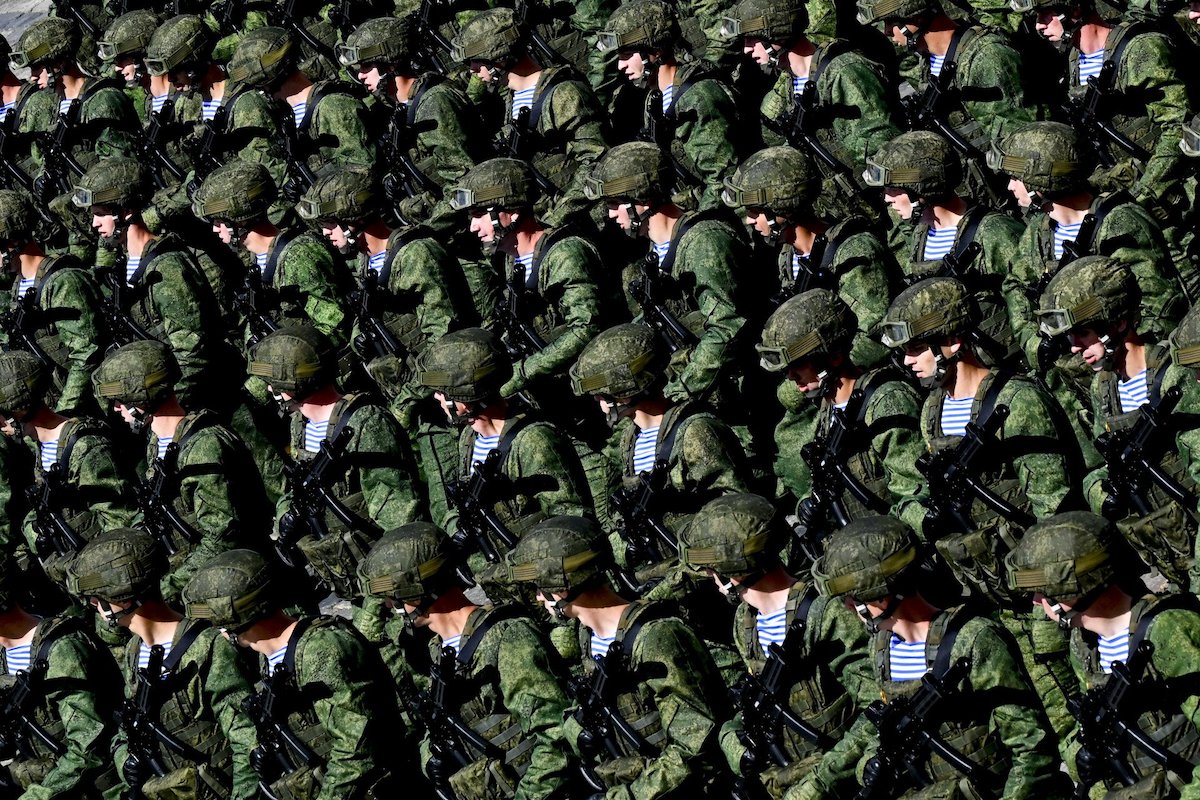
The challenges are not isolated. They are compounding. Russia needs more soldiers to sustain pressure along the front, but recruitment costs are soaring. Its economy, once buoyed by energy revenues, is slowing under the weight of military spending. Ukrainian drones have repeatedly struck refineries, ports, and pipelines, disrupting both exports and domestic fuel supplies. The central bank's high interest rates, designed to curb inflation, are squeezing businesses and raising the cost of government borrowing. And while the Kremlin projects confidence, some of its own senior economists are beginning to voice doubts about the sustainability of the war effort.
A front that moves both ways
For much of the war, the prevailing assumption was that Russia was grinding forward, slowly but inexorably, while Ukraine struggled to replace troops and equipment. That picture has shifted. Russian forces still threaten key positions in Donetsk and claimed territorial gains during their summer campaign in August, but the pace of their advances has slowed markedly. Ukrainian forces, meanwhile, have begun recovering ground in several sectors. On August 12, President Volodymyr Zelensky said Ukraine had retaken 745 square kilometers in 2026, a claim broadly supported by the independent open-source mapping project DeepState, which recorded 19 settlements returning to Ukrainian control.
This is not a dramatic breakthrough. Russia continues to press toward important cities in the east, and Ukraine faces its own severe manpower shortages. But the narrative of an inexorable Russian advance has been dented. More importantly, Ukraine has increasingly brought the fight to Russian soil, far beyond the immediate front lines. Kyiv has rapidly expanded what it calls its "middle strike" capability, using drones and other systems to hit Russian air defenses, logistics hubs, fuel supplies, and military infrastructure at ranges that now exceed 1,000 kilometers.
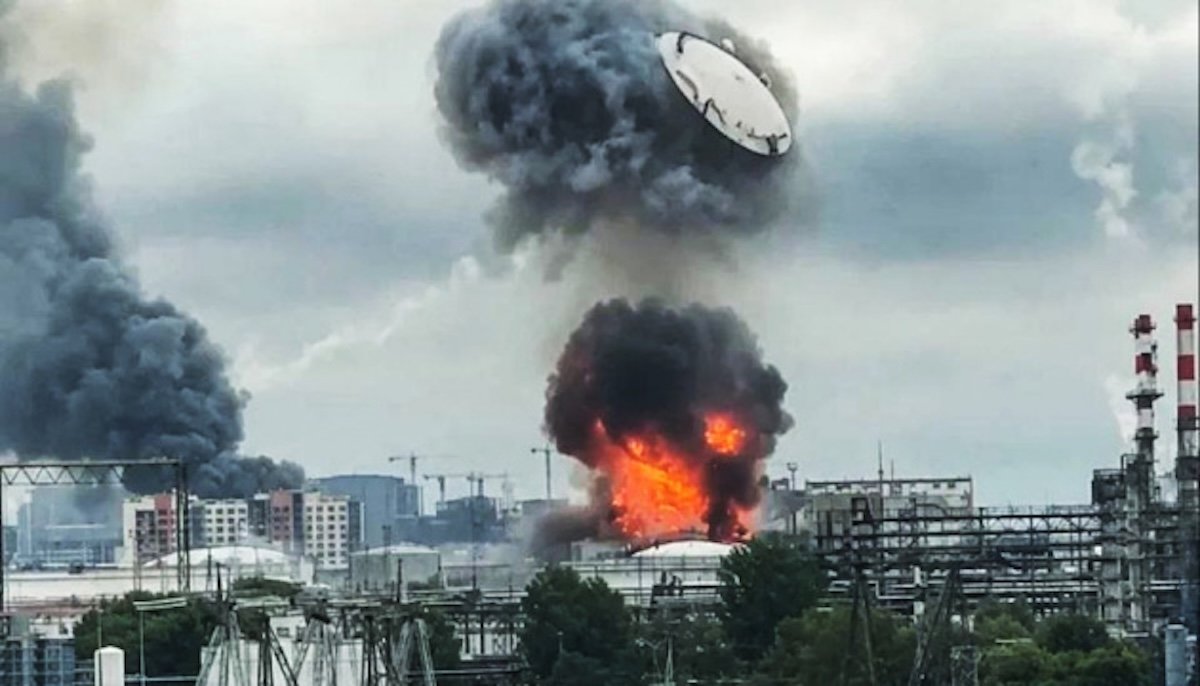
In August alone, Ukrainian drones struck oil and petrochemical facilities in Bashkortostan, about 1,300 kilometers from the border, as well as targets near Saratov, Perm, and Ryazan. The Orsk refinery, nearly 1,500 kilometers from Moscow, was forced to shut down completely after an August strike. The regional governor warned that sanctions made it difficult to replace damaged imported equipment and that repairs could take six months. These strikes are not just symbolic; they are designed to inflict maximum damage on the Russian state's ability to finance the war.
This shift in the risk calculation is profound. Russia long benefited from strategic depth—factories, refineries, depots, and transport networks sat hundreds of kilometers behind the front, allowing Moscow to rearm its forces while remaining protected. That advantage is eroding. As Ukraine's refinery strikes demonstrate, the war is increasingly becoming an industrial contest, where the production of drones, missiles, and counter-systems determines success on the battlefield. On that measure, Russia's position looks considerably less comfortable than the Kremlin would like the world to believe.
Ukraine's defensive gap
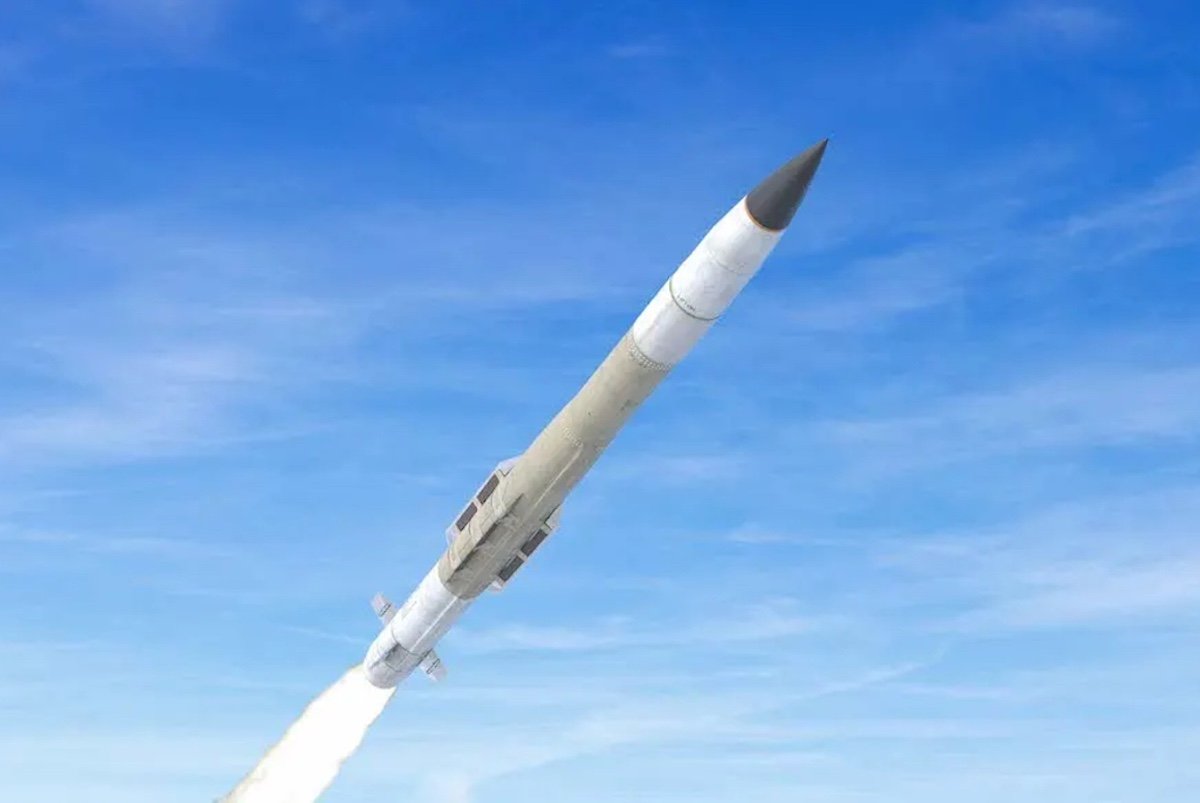
Yet there is another side to the story. Ukraine is becoming better at striking Russia, but it is also becoming less capable of defending its own skies. The problem is a shortage of Patriot missile interceptors. Russian attacks have increasingly used ballistic missiles, which Ukraine has very limited viable defenses against. The primary means of intercepting these is the American-made PAC-3 missile used by the Patriot system.
Ukraine says deliveries of missile interceptors during the first half of 2026 fell to roughly one-third of the previous year's level. The shortage was starkly visible during recent Russian attacks on Kyiv, when Ukrainian Patriot launchers were effectively left without sufficient interceptors, and ballistic missiles passed through the air-defense network unopposed. In July alone, Russia fired more than 450 missiles at Ukraine, more than half of them ballistic, according to Ukrainian military data.
This asymmetry is a serious concern. While Ukraine's long-range strikes are imposing costs on Russia, its inability to protect its own cities and infrastructure from Russian missiles undermines its resilience and morale. The gap also highlights the dependence of Ukraine on Western military aid, a factor that could become more precarious depending on political shifts in Washington and other capitals.
The broader picture is one of a grinding, attritional war where both sides are bleeding. Russia retains advantages in population and resources, but its ability to convert those into battlefield success is being eroded by a combination of Ukrainian innovation, Western sanctions, and internal economic strain. As diplomatic maneuvers continue, the Kremlin's options are narrowing. The bear trap is closing, and the harder Moscow struggles, the deeper the claws sink.