In February, Indian Prime Minister Narendra Modi concluded a brief but strategically focused visit to Malaysia, seeking to inject new energy into a bilateral relationship that has plateaued in recent years. The trip followed his absence from an ASEAN summit in Malaysia the previous year and came months after the two nations formally elevated their partnership to a Comprehensive Strategic Partnership during Malaysian Prime Minister Anwar Ibrahim's visit to New Delhi.
Stalled Momentum in a Strategic Framework
On paper, the India-Malaysia relationship is robust. Bilateral trade reached approximately $20 billion in the 2023-24 fiscal year, making Malaysia India's third-largest trading partner within the ASEAN bloc. This commerce operates under the frameworks of the 2011 Malaysia-India Comprehensive Economic Cooperation Agreement (MICECA) and the broader ASEAN-India Trade in Goods Agreement. Yet, analysts note that trade volumes have stagnated relative to each nation's overall global commerce, failing to capitalize on the upgraded partnership status.
The relationship, described by Modi as "special," has seen numerous memoranda of understanding signed over the past decade, particularly in information technology. However, implementation has often lagged. Forums designed to spur business dialogue, like the Malaysia-India CEO Forum, lost steam after initial promise. The forum's tenth meeting, convened during Modi's visit, is seen as an attempt to restart that engine.
Trade remains heavily skewed toward traditional sectors. Malaysian palm oil and mineral fuels dominate exports to India, while trade in higher-value goods and services, especially in technology, remains underdeveloped. Both leaders acknowledged efforts by their central banks to promote the use of local currencies for bilateral transactions, a move that mirrors India's broader strategic efforts to internationalize the rupee, though its immediate impact may be limited by current trade volumes.
The Semiconductor Imperative
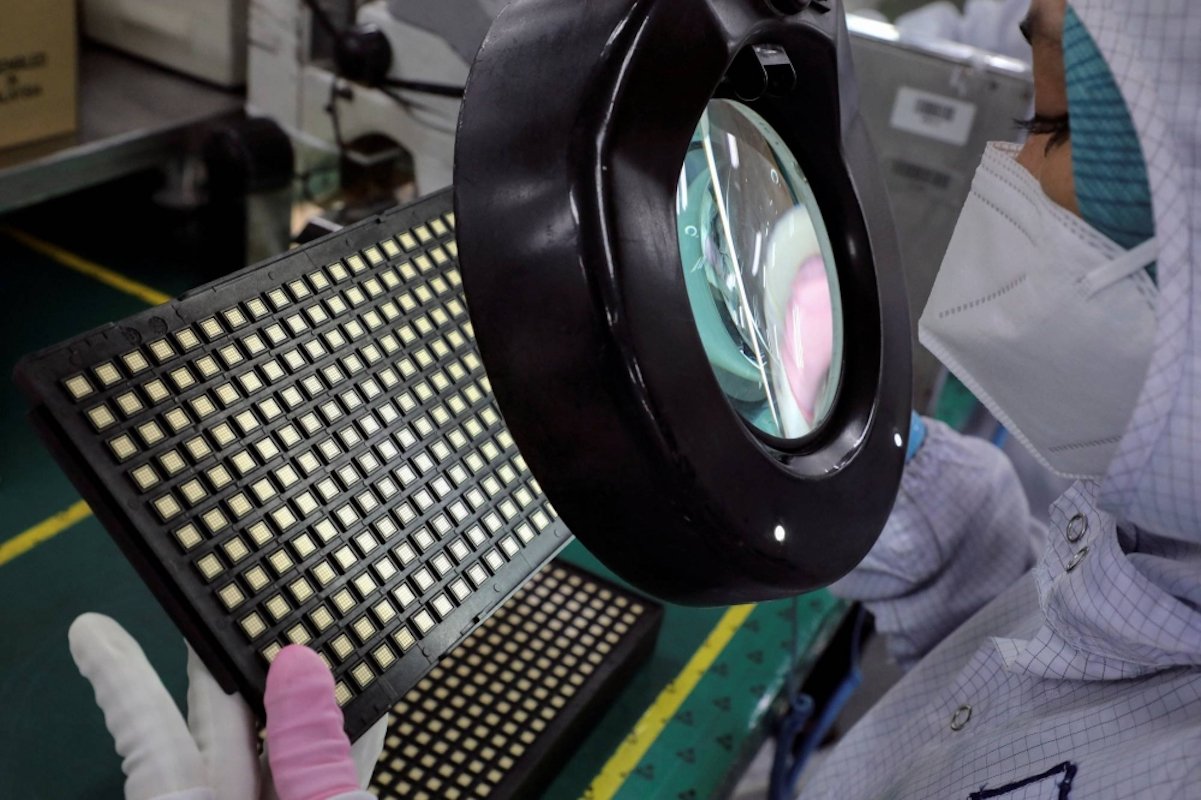
The most promising avenue for revitalization lies in the global semiconductor industry, where national ambitions align. India has launched its ambitious Indian Semiconductor Mission (ISM), with Prime Minister Modi publicly committing to making the country a global leader in chip manufacturing, packaging, and design. This industrial push is part of a larger pattern of strategic economic engagement with multiple partners.
Malaysia, for its part, is a established player, accounting for roughly 7% of the global semiconductor market and ranking as the world's sixth-largest exporter. The government in Kuala Lumpur has set an aggressive target to double its market share to 14% by 2029. This goal is enshrined in key national policies like the New Industrial Master Plan 2030 and the National Semiconductor Strategy, which designate the sector as "high-growth, high-value."
The complementarity is clear. Malaysia possesses a mature electronics manufacturing and packaging ecosystem, while India offers a massive domestic market, growing design capabilities, and substantial government incentives for new fabrication plants. In March 2025, Malaysia's Deputy Investment, Trade, and Industry Minister, YB Liew Chin Tong, visited India specifically to explore supply chain partnerships, signaling serious intent.
During Modi's visit, the two sides exchanged an Exchange of Notes on Cooperation in Semiconductors, expressing mutual interest in strengthening supply chains. Observers suggest that a more formal memorandum of understanding, similar to the structured agreements India pursues with other economic partners, would provide a stronger foundation for collaboration and help realize the objectives of the Comprehensive Strategic Partnership.
Geopolitical Undercurrents
Broader geopolitical shifts add urgency to this technical cooperation. Malaysia's exclusion from the US-led Pax Silica Initiative, a Washington-driven effort to build a secure semiconductor supply chain, creates a strategic rationale for Kuala Lumpur to diversify its partnerships. For India, deepening industrial links with Southeast Asia is a cornerstone of its Act East Policy and provides a hedge against global trade uncertainties.
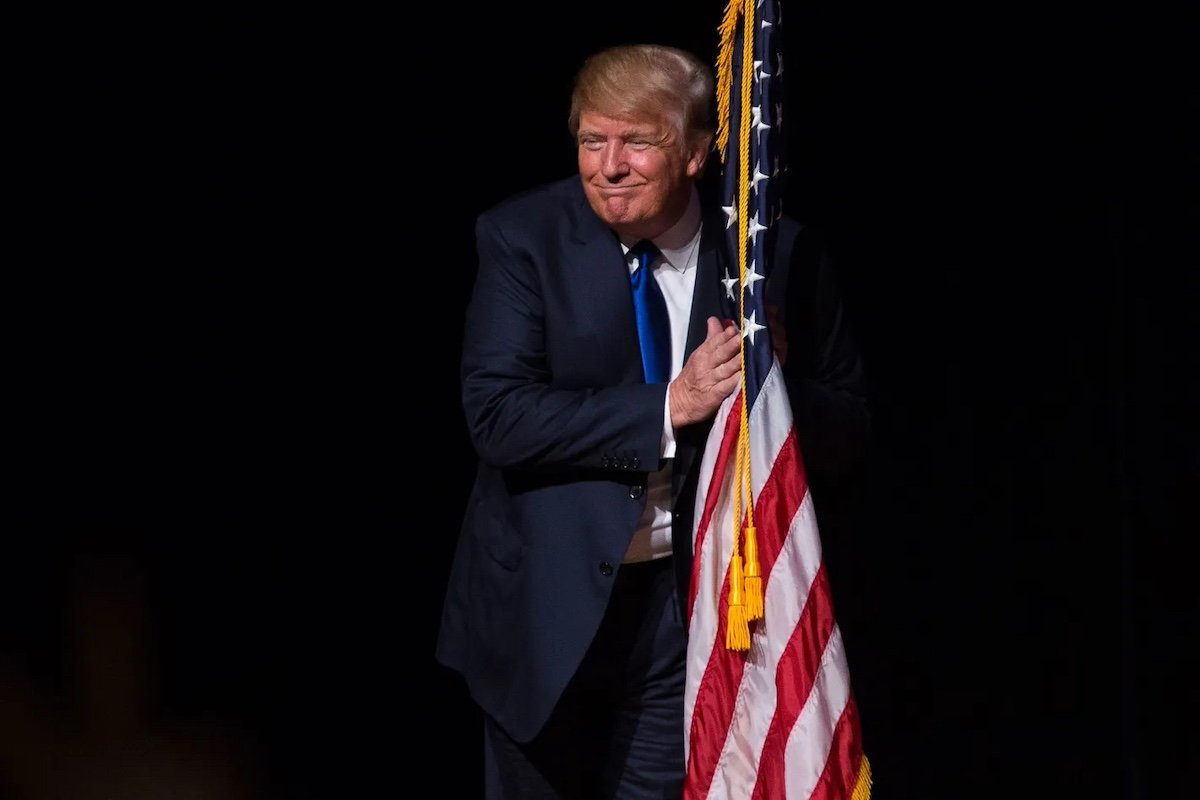
The return of tariffs under US President Donald Trump has underscored the vulnerabilities of over-reliance on any single market or supply chain. For both India and Malaysia, strengthening bilateral cooperation serves as a form of strategic risk management. It allows them to build resilience while advancing distinct national industrial agendas.
Success in this sector could transform the economic narrative of the relationship, moving it beyond commodity trade toward high-tech co-production and innovation. It offers a tangible project to give heft to the Comprehensive Strategic Partnership, which has so far lacked a defining, forward-looking economic pillar. As both nations navigate a fragmenting global economic order, their mutual interest in semiconductor resilience may prove to be the key that unlocks a broader and more dynamic partnership.