TOKYO — A protracted conflict in Iran is applying intense pressure on India's economy, exposing structural vulnerabilities that a decade of political narrative has struggled to mask. The Indian rupee, one of Asia's worst-performing currencies, is at the center of a gathering storm as soaring global oil prices and a widening trade deficit test the defenses of the Reserve Bank of India (RBI) and the economic stewardship of Prime Minister Narendra Modi.
A Currency Under Pressure
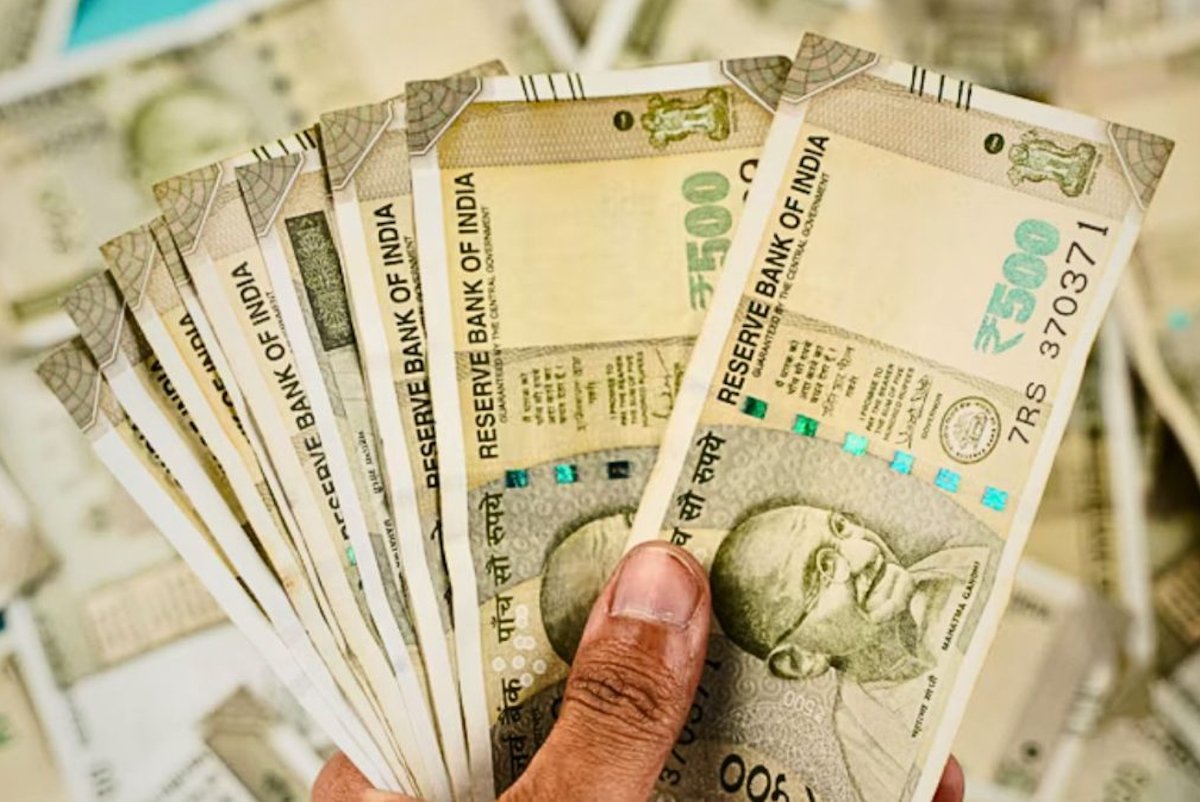
The rupee has depreciated by more than 10% since the beginning of 2025, a decline that has accelerated this year. From approximately 95 against the U.S. dollar, analysts from institutions like Wells Fargo now warn the currency could weaken toward 100 if the Middle East conflict persists. "100 per dollar is no longer a tail risk—it is a credible stress scenario if current conditions persist," notes Ahmed Aizan, a researcher at Equiti Group. He suggests recent official measures appear more like short-term stabilization tools than a lasting structural solution.
This currency weakness arrives at a perilous moment for the world's most populous nation. India is the third-largest importer of crude oil, making its $4.1 trillion economy acutely sensitive to disruptions in the Strait of Hormuz and sustained prices above $100 per barrel. The RBI, led by Governor Sanjay Malhotra, initially budgeted for a baseline of $70 per barrel last October. The current price surge is estimated to be increasing India's monthly oil import bill by a staggering $5 billion.
"Pressure will likely continue if crude prices remain around $100," says Siddharth Rajpurohit, an analyst at Systematix Institutional Equities. This financial quandary, he adds, will challenge Modi's ruling Bharatiya Janata Party (BJP) "sooner rather than later." The central bank has responded with urgency, selling a record $51.7 billion in foreign exchange in 2025 and instructing major domestic banks to supply their own dollars to the market. However, these actions have so far failed to decisively reverse the rupee's slide.
Structural Weaknesses Laid Bare
Much of the downward pressure on the rupee reflects pre-existing conditions that predate the current Middle East crisis. India has long maintained a wide trade deficit, a vulnerability that the geopolitical shock is now exacerbating. "New Delhi had a very wide trade deficit and it's now going to widen further," observes Abbas Keshvani, a strategist at RBC Capital Markets. This highlights a core challenge: over eleven years in power, Modi's administration has not fully addressed the underlying external imbalances now being violently exposed.
The RBI's directive to banks is creating ripples within the domestic financial system. Shares in the State Bank of India fell roughly 4% this week to their lowest level this year, with ICICI Bank and HDFC Bank also seeing notable declines. Kunal Sodhani, head of treasury at Shinhan Bank, points out that the central bank's guidance "is effectively engineering a near-term supply of dollars in the market. But the durability of this support will depend on external variables—chief among them, the trajectory of oil prices and the broader geopolitical landscape." The situation is a stark example of how a regional crisis can strain economic defenses across Asia.
Junior Finance Minister Pankaj Chaudhary has expressed confidence in the RBI's ability to intervene against "excess volatility" and notes that India's foreign exchange reserves are sufficient to cover more than 11 months of goods imports. However, he acknowledges the government is closely monitoring the "evolving trajectory" of the conflict and its damage to the economy. The overall impact, he states, hinges on the "duration and intensity" of the hostilities.
Broader Economic and Social Impact
The pain from elevated energy costs will be felt most acutely by India's 1.4 billion citizens. Furthermore, forecasts predicting higher-than-usual temperatures and potential heatwaves across much of India through June significantly heighten economic risks. Increased demand for cooling will strain power grids already under pressure from costly fuel imports.
International observers are taking note. Fitch Ratings analyst Thomas Rookmaaker ranks India among the "large net fossil-fuel importers" that "would face the sharpest deterioration in external balances and real incomes if energy prices rise and shipping disruptions persist." This external vulnerability comes as other global powers maneuver; the conflict may accelerate discussions about alternative energy pricing mechanisms, a topic explored in our analysis on the potential for a petroyuan driven by geopolitical crises.
The currency crisis presents a direct challenge to the economic narrative of Prime Minister Modi. Elected in 2014 on the promise of replicating his successful "Gujarat model" of growth and governance nationwide, the current situation underscores the limits of that blueprint's scalability. Talk of a sustained "Goldilocks" period for the economy now rings hollow against the reality of a weakening currency and rising import costs. The government's response to this crisis will be a critical test, especially as other Asian nations navigate their own challenges. For instance, while India grapples with currency stability, South Korean opposition leader Lee Jae-myung's recent visit to New Delhi highlighted the complex strategic partnerships evolving in the region.
Ultimately, the strain on the rupee is more than a fleeting market disturbance. It is a symptom of deeper economic vulnerabilities that have been amplified by a distant war. The Reserve Bank of India's sandbagging efforts may provide temporary relief, but as the conflict in Iran shows signs of becoming a protracted stalemate, New Delhi must confront the structural weaknesses that leave its currency, and its economy, perpetually on the edge.