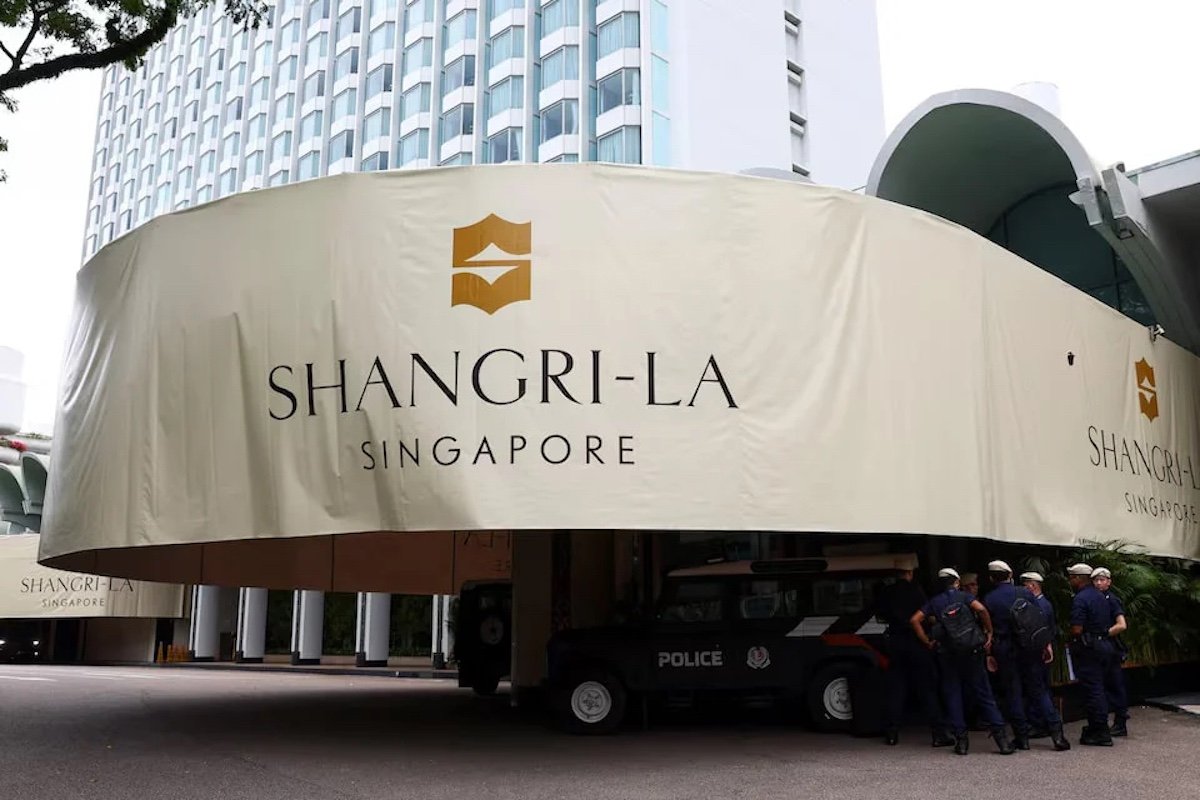
The Shangri-La Dialogue, Asia's premier defense forum, opens in Singapore on May 29, 2026, at a moment of profound strategic recalibration. What was once a stage for superpower posturing has become a marketplace for hedging, as Indo-Pacific nations question the durability of the US-led security architecture.
Organized by the International Institute for Strategic Studies (IISS), the three-day summit has long served as the region's top security clearinghouse. But this year's gathering arrives amid cascading conflicts in the Middle East, intensifying great-power rivalry, and growing skepticism about Washington's ability to underwrite security across Europe, the Middle East, and Asia simultaneously.
The most urgent anxiety among Southeast Asian diplomats is not China's military expansion per se, but the erratic nature of American foreign policy. Eric Olander, editor-in-chief of the China Global South Project, told Asia Times that the issue is less about inherent US-China friction and more about dizzying policy shifts from Washington. He pointed to structural contradictions: the US insists the Indo-Pacific is its top priority, yet it pulls vital resources from South Korea to stabilize the Middle East and wavers on hardware deliveries to Taiwan. Meanwhile, the lingering memory of President Donald Trump's indifference to multilateral frameworks adds to the unease.
Strategic Hedging and Arms Diversification
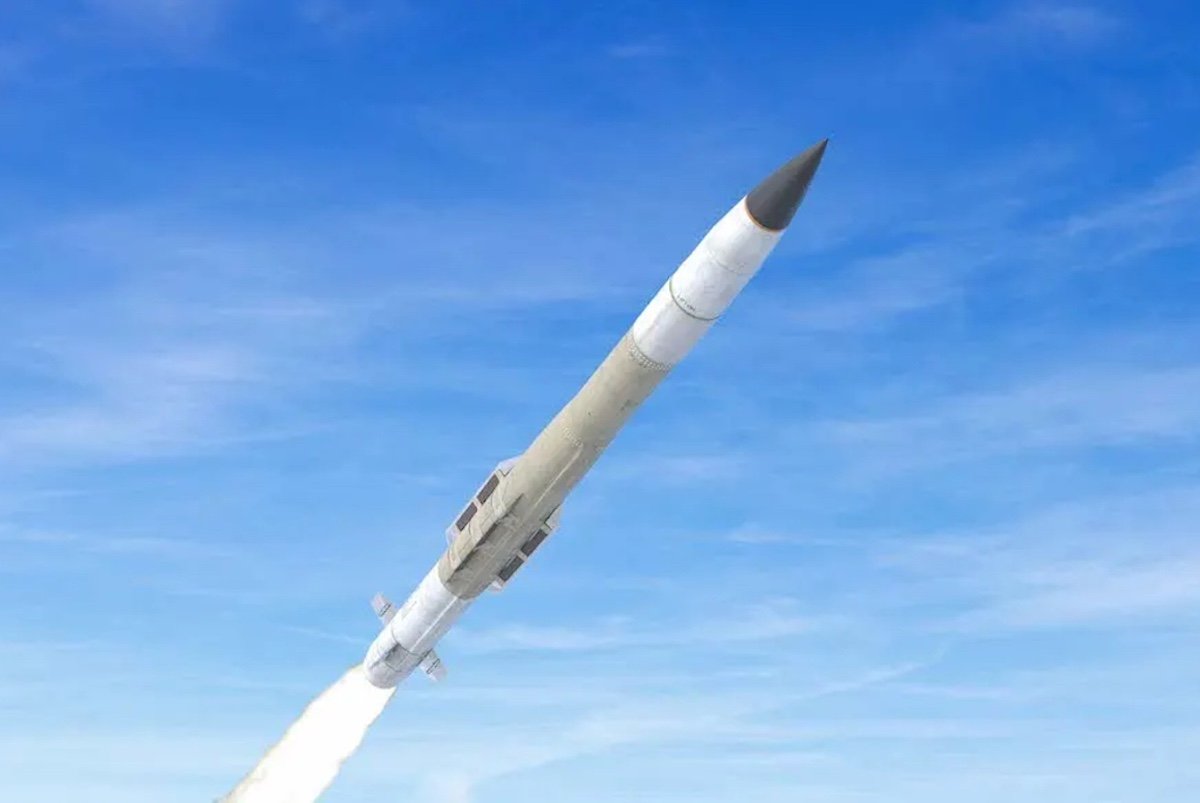
This credibility deficit is driving a quiet revolution in regional arms procurement. Rather than waiting on delayed or politically conditioned American hardware, Southeast Asian nations are aggressively diversifying their arsenals. The deployment of Indo-Russian BrahMos supersonic cruise missiles to the Philippines—with Indonesia and Vietnam poised to follow—alongside Hanoi's recent defense deals with South Korea, underscores a rapid pivot toward alternative security partnerships, Olander noted.
Jaglul Ahmed, a retired brigadier general and security analyst from Bangladesh, argued that the current global architecture is failing to provide the ironclad reassurance US allies demand. In his view, the strategic fallout from the Middle East will push both major and minor powers toward a regional approach anchored in strategic autonomy rather than overreliance on a singular superpower. European delegates at Shangri-La are likely to hedge their bets, viewing China with an eye toward securing maritime commerce given Beijing's diplomatic leverage over Tehran.
For secondary powers, the objective is no longer choosing a side but managing exposure. Nitin Gokhle, editor of the Indian defense portal Bharatshakti.in, told Asia Times that this year's iteration will be defined by countries protecting their positions in an increasingly volatile climate. With top-level ministerial gaps from giants like India and China, Gokhle expects the US to dominate the public stage, but the critical matchmaking will occur out of camera range. Close attention will be paid to the bilateral itinerary of high-level officials, including US figures like Pete Hegseth, though decoding the quiet signals from private rooms will be complex.
Japan's Rising Role and China's Strategic Headache
While China remains the focal point of Western rhetoric at the forum, Olander suggested its deepest strategic headache may actually be Tokyo. There is a palpable, rising concern in Beijing that Japan is moving aggressively to occupy the geopolitical vacuum left by an inconsistent US, positioning itself as the new, assertive anchor of a post-American security architecture in the Asia-Pacific. This dynamic is explored in our analysis of Japan's Takaichi navigating budget, party, and defense spending challenges.
India's defense push is also transforming into industrial statecraft across Asia, as detailed in our report on India's defense transformation. Meanwhile, the Japan-Australia frigate deal cements a new defense axis in the Indo-Pacific, further diversifying the region's security architecture.
Ultimately, the 2026 Shangri-La Dialogue offers an early look at a more fragmented region—one where nations are discovering that in a world of unreliable superpowers, self-reliance is the only durable currency.