South Korea's ambition to build nuclear-powered attack submarines (SSNs) marks a potential turning point in its defense posture, shifting from a security client of the United States to an independent undersea power. But the plan, unveiled this month by the Ministry of National Defense, comes with steep financial, technological, and non-proliferation hurdles that could test Seoul's resolve.
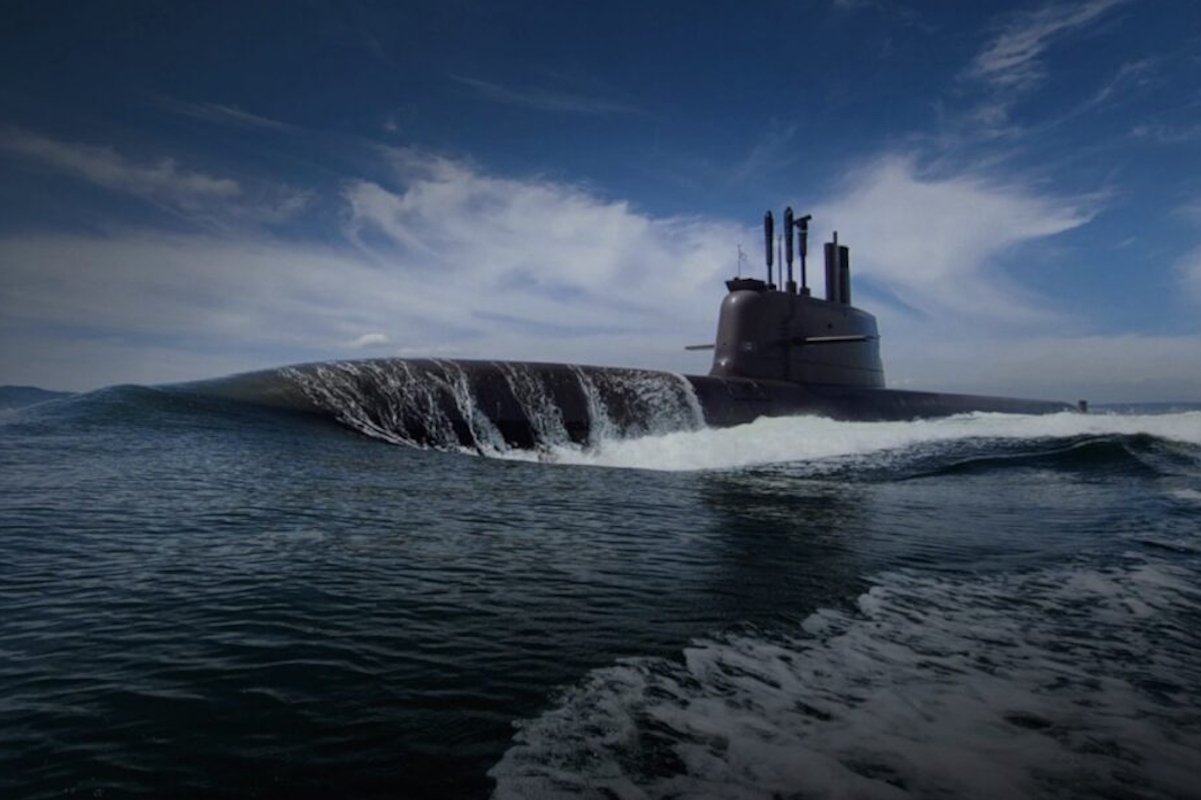
Dubbed the Jangbogo-N Project (KSS-N), the initiative envisions a fleet of submarines designed and constructed entirely within South Korea, leveraging the country's advanced civilian nuclear sector and world-class shipbuilding industry. President Lee Jae-myung and Defense Minister Ahn Gyu-back have championed the project as essential for defense autonomy and regional stability, particularly in response to North Korea's advancing underwater nuclear capabilities.
Strategic Rationale and Industrial Implications
The submarines would use low-enriched uranium fuel for long-cycle operations, with Seoul coordinating closely with Washington and the International Atomic Energy Agency (IAEA) to establish a joint safeguards system. Officials have repeatedly stressed that the program will not involve nuclear weapons development.
Proponents argue that the KSS-N project transforms South Korea from a passive buyer of US security into an active industrial partner. Sanghyun Lee, writing for the Lowy Institute, notes that unlike the AUKUS pact—which strains US shipyards—South Korea acts as a contributor. Through a $350 billion investment package, including Hanwha Group's revitalization of the Philadelphia shipyard, Seoul embeds its engineering and capital directly into the US defense-industrial base. This deep interdependence, Lee argues, makes nuclear submarine cooperation strategically and politically difficult to reverse.
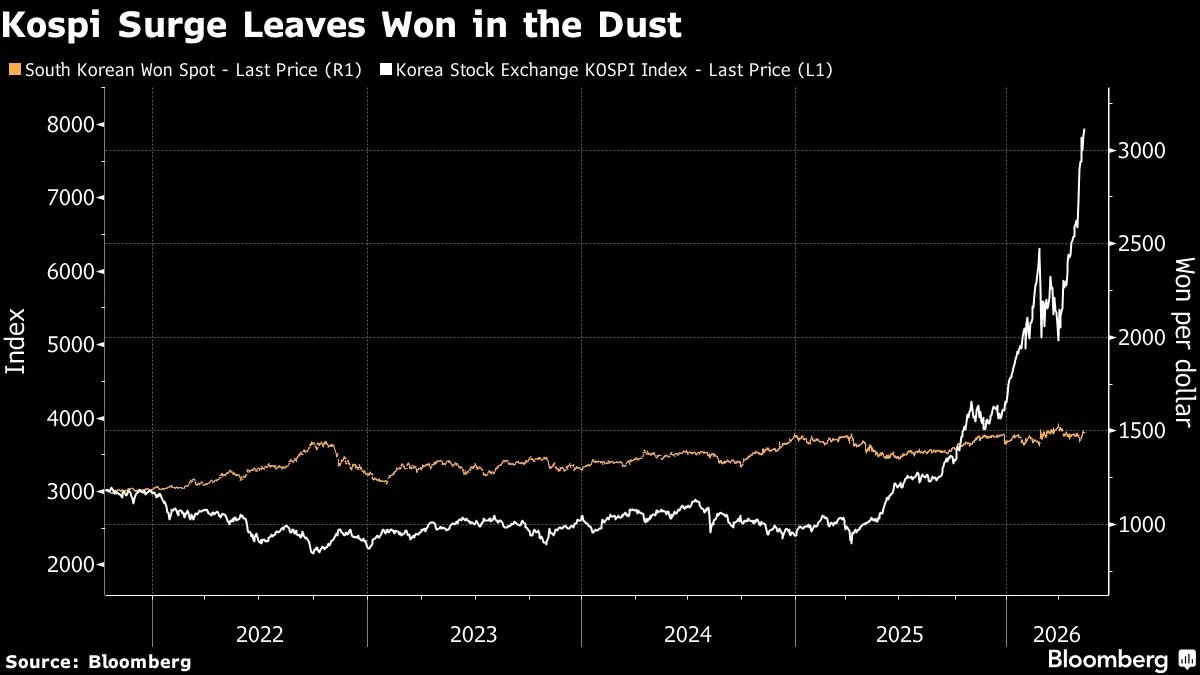
Shares of major shipbuilders Hanwha Ocean and HD Hyundai Heavy Industries surged nearly 10% following the announcement, reflecting market optimism about the project's industrial spin-offs.
Countering North Korea's Underwater Threat
The urgency behind Seoul's push stems from Pyongyang's alleged development of nuclear submarines. North Korea has pursued a dual-track approach: first, conventionally powered submarines armed with nuclear missiles, such as the Hero Kim Kun Ok unveiled in March 2025—a modified Soviet Romeo-class vessel with significant technical flaws, including high noise levels and stability issues. Second, true nuclear-powered strategic submarines, with state media in December 2025 showcasing the welded hull of an estimated 6,000- to 8,700-ton vessel. While completion of the hull suggests a reactor may be installed, skepticism remains about North Korea's ability to master reactor safety, acoustic quieting, and long-term sustainment.
Some analysts suspect Russian technical transfers, including decommissioned nuclear submarine modules, in exchange for North Korean support in the Ukraine War. However, as Asia Times noted in April 2026, North Korea's introduction of the Choe Hyon destroyer could serve as an interim sea-based nuclear deterrent, given the submarine program's possible technical immaturity.
South Korea's SSNs would be deployed in a three-submarine flotilla, ensuring continuous maritime presence. According to James Holmes of The Korea Society, these vessels could be used for surface and anti-submarine warfare, remaining submerged indefinitely to maximize elusiveness. Sanghyun Lee and Minkyung Jung emphasize their role in persistently tracking and neutralizing North Korean undersea platforms at their home ports.
Cost Concerns and Trade-offs
Critics warn that the nuclear submarine program could crowd out investment in advanced conventional submarines. Jim Halsell, writing in an October 2025 Proceedings article, notes that conventionally powered submarines are far cheaper: a single Virginia-class SSN costs roughly $5 billion, compared to $829 million per unit for the Dosan Ahn Changho KSS-III class. Conventional submarines also have lower maintenance costs and simpler refueling logistics, bypassing expensive nuclear-servicing infrastructure.
Halsell argues that affordability enables a larger, distributed fleet, spreading offensive power across multiple positions and enhancing targeting options. The KSS-N project's immense long-term budgetary pressures could strain South Korea's defense budget, already facing competing demands from economic challenges and other modernization programs.
Beyond the financial calculus, the project carries proliferation risks. While Seoul insists it will not develop nuclear weapons, the acquisition of nuclear-powered submarines—capable of operating for months without refueling—could unsettle neighbors. China, already wary of US alliances in the region, may view the program as a further militarization of the Korean Peninsula. Meanwhile, the Trump-Xi summit's failure to shift North Korea's strategic calculus underscores the limited diplomatic leverage available to address the underlying security dilemma.
South Korea's nuclear submarine ambition is a bold bet on strategic autonomy. Whether it can navigate the financial, technological, and diplomatic minefields will determine whether Seoul emerges as a true undersea power—or finds its ambitions sunk by the weight of their own cost.