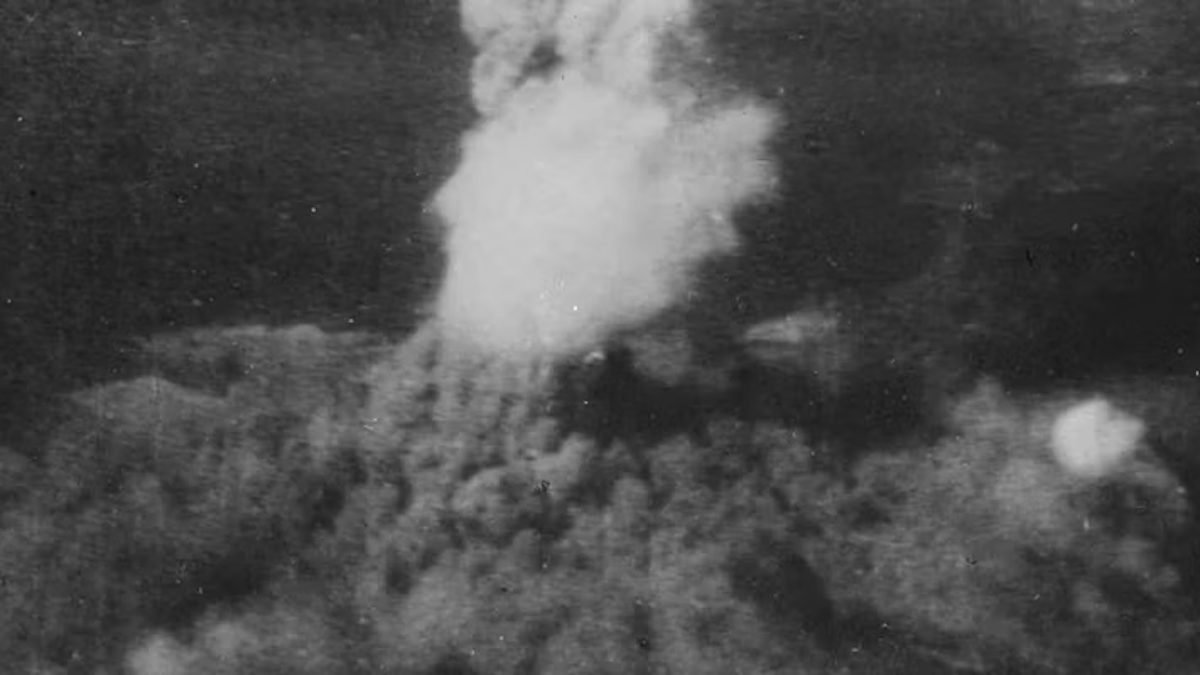
Eighty-one years ago this week, a single American B-29 bomber, the Enola Gay, flew over the Japanese city of Hiroshima and released a single atomic bomb, obliterating the city. Three days later, a second bomb destroyed Nagasaki. The immediate death toll exceeded 100,000, and by the end of 1945, another 100,000 had died from radiation sickness, burns, and other injuries. Over 90 percent of the victims were civilians.
The official justification for these mass killings—that the bombs were necessary to avoid a costly invasion of the Japanese home islands—was a lie, and American decision-makers knew it at the time. Declassified intelligence and the private admissions of senior officials confirm that Japan was already seeking a way out of the war.
The real reason for the bombs
In July 1945, American codebreakers had intercepted Japanese diplomatic traffic revealing that Tokyo had approached the Soviet Union—then still a neutral party in the Pacific—to discuss surrender terms. The Japanese government's primary concern was preserving the imperial institution, a condition the United States ultimately accepted. But rather than pursue a negotiated end, President Harry Truman chose to use the new weapon.
As historian Gar Alperovitz documented in Atomic Diplomacy: Hiroshima and Potsdam, the bombings were driven by emerging Cold War calculations—demonstrating American power to Moscow—not by military necessity. A top-secret US intelligence study from 1946 concluded that Japan's surrender was precipitated by the Soviet Union's declaration of war on August 8, 1945, and the rapid Soviet advance into Manchuria, not by the atomic bombs.
Truman himself wrote in his diary in July 1945, after securing Stalin's promise to enter the war: "Fini Japs when that occurs." He also wrote, "We'll end the war a year sooner now. Think of all the kids who won't be killed." Yet he ordered the bombs dropped anyway.
Senior military leaders were blunt about the unnecessary carnage. General Dwight D. Eisenhower, then Supreme Allied Commander in Europe, later said, "Japan was already defeated and that dropping the bomb was completely unnecessary." Fleet Admiral William Leahy, Truman's chief of staff, concurred: "The Japanese were already defeated and ready to surrender.... The use of this barbarous weapon was of no material assistance in our war against Japan."
The Second World War was an age of atrocity: Japan's invasion of China killed an estimated 10 to 20 million people; Nazi Germany murdered six million European Jews and two million Soviet prisoners of war; the Rape of Nanking, the firebombing of Tokyo, and the Bengal famine of 1943 added to the horror. But the atomic deaths of 200,000 Japanese civilians stand apart—they were the first victims of nuclear warfare, and their deaths, excused by lies, opened an era of existential peril for all humanity.
Lies persist, dangers grow
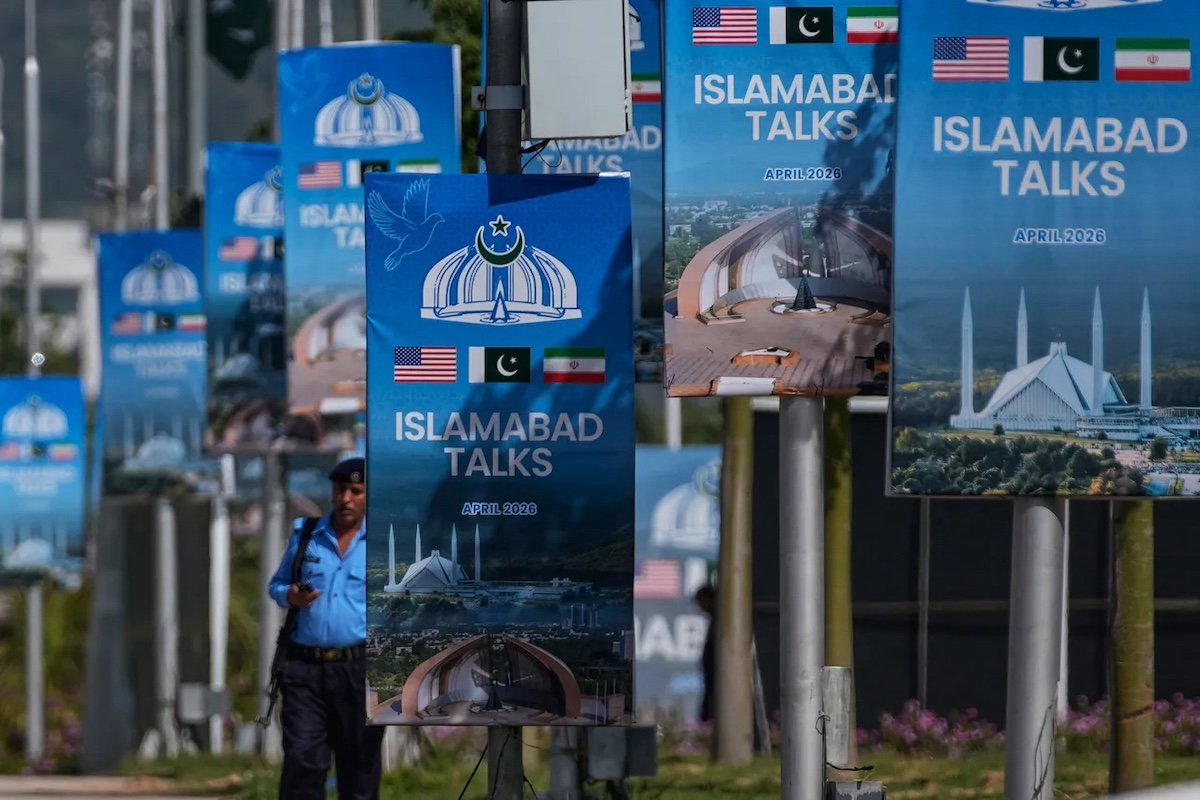
The pattern of nuclear deception did not end in 1945. In 2003, the administration of President George W. Bush fabricated claims that Iraq possessed weapons of mass destruction to justify an invasion that cost trillions of dollars, thousands of American lives, and hundreds of thousands of Iraqi civilians. More recently, President Donald Trump and his aides have again claimed that Iran is on the verge of building a nuclear bomb—assertions that US intelligence agencies have repeatedly debunked.
These lies obscure the very real dangers of nuclear proliferation. As climate change intensifies—bringing extreme heat, sea-level rise, mega-storms, and crop failures—desperate leaders may be tempted to reach for nuclear weapons. The nuclear age could end as it began: with lies that lead to catastrophe.
For Asia, the legacy of Hiroshima and Nagasaki remains a living memory. Japan continues to advocate for a nuclear-free world, while regional powers like China, India, and Pakistan expand their arsenals. The lessons of 1945—that nuclear weapons are instruments of mass murder, not tools of security—are more relevant than ever. As the nuclear power race extends into space, and as new nuclear deals in Southeast Asia raise fresh concerns, the world must heed the warning of the past: lies about nuclear weapons lead to ruin.