The United States has maintained a trade embargo against Cuba since the Eisenhower administration, but it was President John F. Kennedy who implemented a comprehensive ban on all trade with the island. While every subsequent administration has sought to pressure Havana, the second Trump administration has made the collapse of Cuba's government a top priority, expanding sanctions, blocking fuel deliveries, and threatening military action.
Critics describe this as economic genocide. Danny Shaw, a scholar of Latin American and Caribbean studies who recently traveled across Cuba, documented the harrowing conditions caused by what he calls an energy blockade. In an interview with C. J. Polychroniou, Shaw argued that the Trump administration's policies are deliberately designed to starve the Cuban people into submission.
The Anatomy of the Blockade
On January 29, the Trump administration took steps to effectively shut down the Cuban economy, threatening any country that sold oil to Cuba or continued trading with it. This tightened an already illegal, unilateral economic war. Washington and its right-wing allies across the hemisphere also targeted Cuban medical missions in countries from Honduras to Jamaica, cutting off a vital source of foreign reserves for Havana.
Ecuador and Costa Rica expelled Cuban embassies. The message was clear: any attempt to support the Cuban government would be criminalized. As a result, Cuba is more isolated and desperate than ever.
Shaw places this energy blockade in the context of a broader economic siege that has left Cuba on life support since 1991, when the Soviet Union collapsed. Overnight, those earlier measures cut Cubans' average caloric intake in half. Under both Democratic and Republican administrations, the US government has periodically tightened the screws.
With what Shaw calls a 'Gazaesque strategy of surgical precision,' the State Department has cut off remittances, wiped out tourism, and penalized any foreign company doing business with Cuba. Now, the FBI and Homeland Security are targeting those who bring humanitarian aid to the island.
Shaw quotes a 1960 State Department memorandum by Deputy Assistant Secretary Lester Mallory: 'It follows that every possible means should be undertaken promptly to weaken the economic life of Cuba... to decrease monetary and real wages, to bring about hunger, desperation and overthrow of government.' This, Shaw argues, is precisely what has been happening since 1991.
The impact on Asia is indirect but significant. The Trump administration's aggressive unilateralism—seen also in its tariff strategies against Indonesia and other Asian nations—signals a broader disregard for multilateral trade norms. As Trump's new tariff strategy targets Indonesia with layered duties, Asian economies must consider how such coercive tactics could be applied to them. Similarly, India should approach US trade deals with caution, as Washington's willingness to use economic pressure for geopolitical ends is evident in Cuba.
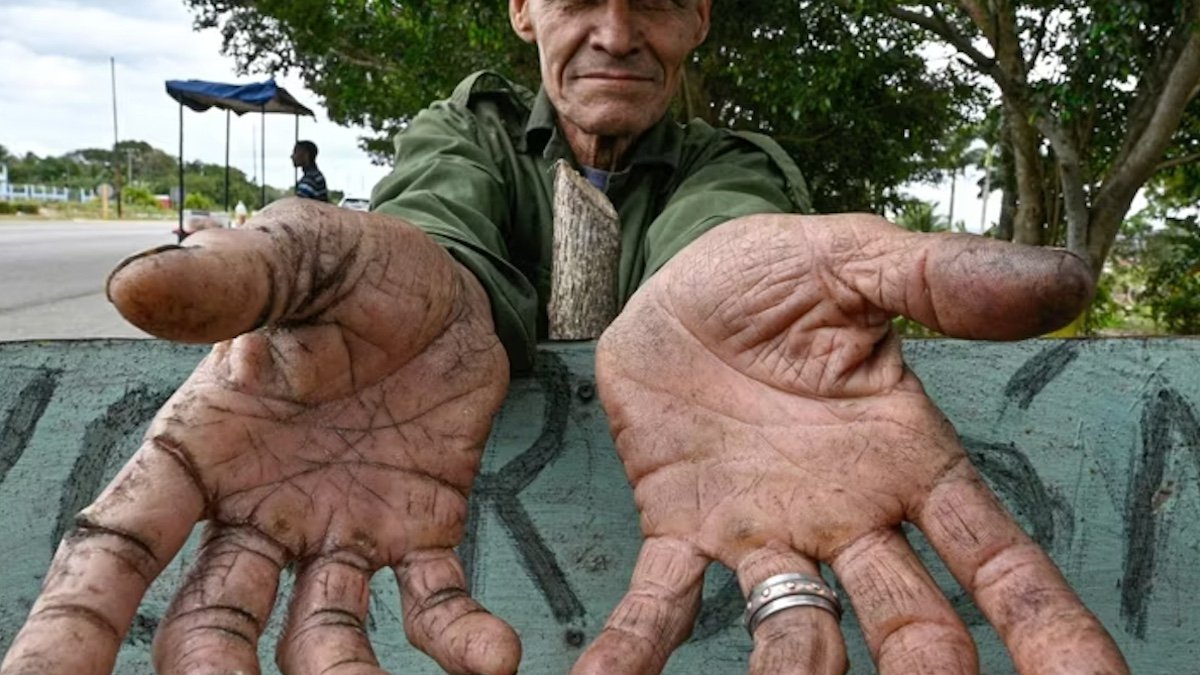
Shaw describes what he witnessed in Cuba in February, March, and April of this year as 'apocalyptic.' The US method of stoking hunger and desperation has crushed what he calls a 'fascinating, historical experiment in resistance.'
Behind Trump's bombastic rhetoric, Shaw sees the true global power brokers: a small group of billionaires who use the president as their spokesman. The goal is not just regime change in Cuba but a demonstration of US dominance in the Western Hemisphere, with implications for how Washington treats other nations it deems hostile.