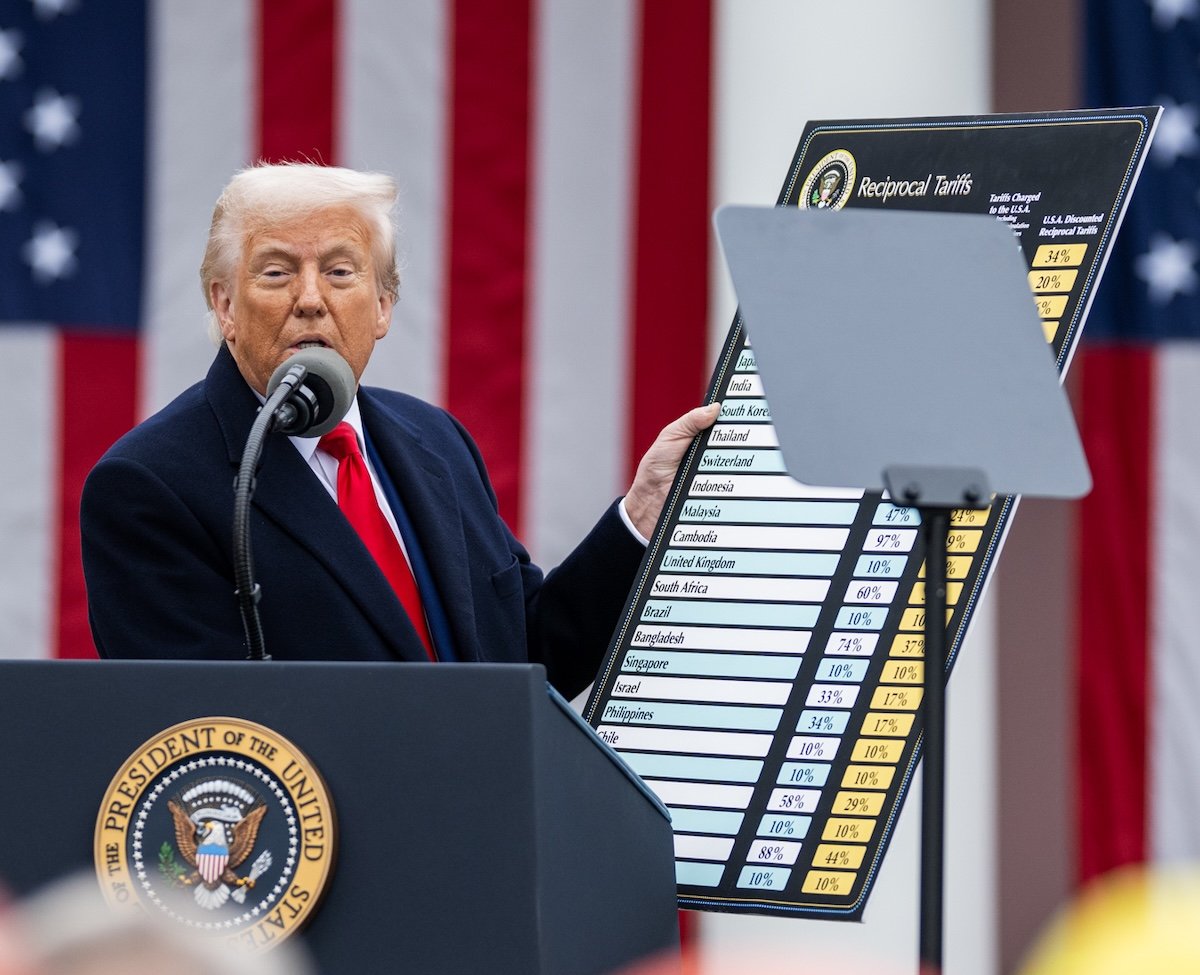
Donald Trump has reintroduced sweeping tariffs on imports from 60 nations, including China, India, Japan, South Korea, and Taiwan, reviving a trade policy that the US Supreme Court had previously struck down. The new levies, set at a minimum of 10%, are being justified by the Trump administration through investigations into alleged forced labor practices, with China's Xinjiang region cited as a primary focus.
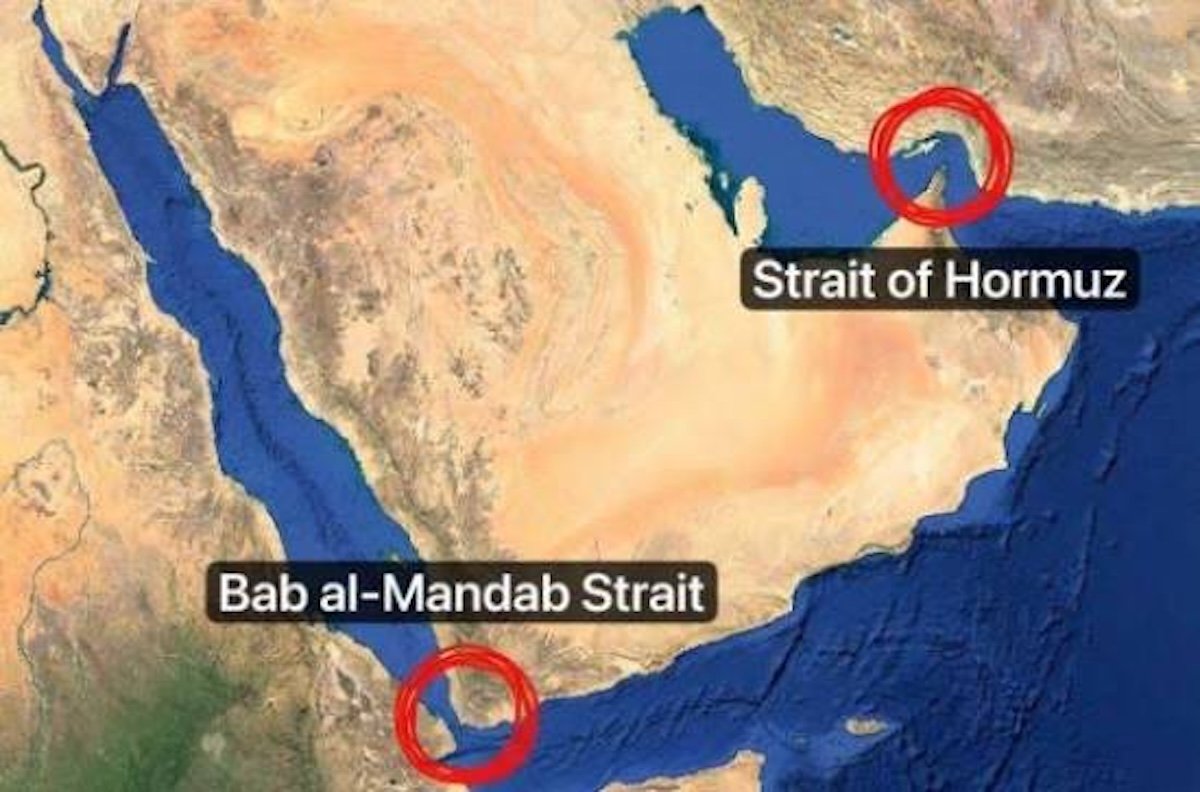
The timing could hardly be more precarious for Asia. The region is already reeling from the economic consequences of the US-led military campaign against Iran, which began on February 28. Oil prices have hovered near $100 a barrel, fertilizer costs have surged, and inflation is eroding the modest growth that remained in many economies. The Strait of Hormuz blockade, which Trump has suggested could last until September, continues to disrupt global energy supplies.
Nick Marro, an analyst at the Economist Intelligence Unit, noted that the Supreme Court's rejection of Trump's earlier tariff regime has not ended his trade agenda. "The tariffs are coming back, just through a different door," he said. The legal basis this time is Section 301 of the Trade Act of 1974, with the administration launching fresh investigations. Other statutes are reportedly being explored, signaling that this is not a one-off measure.
Currency Turmoil Across the Region
The tariffs compound a deepening currency crisis across Asia. Since the Iran conflict began, the Japanese yen, Indonesian rupiah, Indian rupee, and Philippine peso have all come under severe pressure. The yen has been particularly hard-hit, prompting Japan's Ministry of Finance and the Bank of Japan to mount their most aggressive defense of the currency since 1991.
On June 3, Prime Minister Sanae Takaichi issued a stark warning, stating that authorities are prepared to intervene in currency markets. "Speculative trading that is not based on real demand is having a big impact on the currency market," she said. Bart Wakabayashi, a strategist at State Street, noted that Tokyo officials "have definitely put 160 in neon as a level" to watch for yen-buying intervention. Brent Donnelly, president of Spectra Markets, added that the odds of intervention "click substantially higher if 162 trades."
Japan's vulnerability is acute: it imports at least 95% of its oil from the Middle East. With oil prices elevated, the risk of importing higher inflation is significant. The weak-yen policy pursued since the late 1990s, and especially under former Prime Minister Shinzo Abe since 2013, has exacerbated the situation. Economist Richard Katz, author of the Japan Economy Watch newsletter, explained that "the war in Iran not only directly raises global commodity prices but also puts downward pressure on the yen." He added that Japan's "foodflation" stems from both rising global commodity prices and the yen's depreciation, which makes imports more expensive. Katz pointed to Zen-Noh, the farm cooperative, which is likely to raise fertilizer prices by 14% for the autumn planting.
Indonesia presents an even more dramatic case. The rupiah crashed past 18,000 per dollar for the first time this week, drawing global attention to Southeast Asia's largest economy. Weak current account figures and budget concerns had already unsettled investors, but the selloff has accelerated due to a systematic assault on Bank Indonesia's independence. President Prabowo Subianto has been eroding the central bank's autonomy since taking office in October 2024. In September 2025, he ousted Finance Minister Sri Mulyani Indrawati, a former World Bank managing director who had been seen as a key check on fiscal overreach. Parliament has now approved an amendment expanding Bank Indonesia's mandate to include economic growth, opening the door to political interference in monetary policy. Yose Rizal Damuri, an economist at the Centre for Strategic and International Studies, warned that government meddling in rate decisions could become routine.
In India, the Reserve Bank of India is grappling with similar pressures. The rupee has weakened against the dollar, and the central bank faces the challenge of managing inflation while supporting growth. The new US tariffs add another layer of uncertainty for Indian exporters.
The broader implications for Asian supply chains are significant. John Denton, secretary-general of the International Chamber of Commerce, noted that "applying a single investigatory framework across 60 economies, including longstanding US allies and parties to existing bilateral trade agreements, will create significant compliance uncertainty for businesses operating in global supply chains." Henrietta Treyz, an economist at Veda Partners, advised that "investors should be prepared for headline risk of rising tariffs across these countries."
The tariffs also come amid a broader geopolitical realignment. The Quad's structural resilience is being tested as Trump's trade policies strain relations with allies. Meanwhile, the US House has voted to curb Trump's Iran war powers, signaling a rift within the Republican Party over the conflict's economic costs.
For Asia, the convergence of tariffs, currency crises, and war-driven inflation creates a perfect storm. The region's economies, already navigating a fragile recovery, now face a renewed trade war that shows no signs of abating.