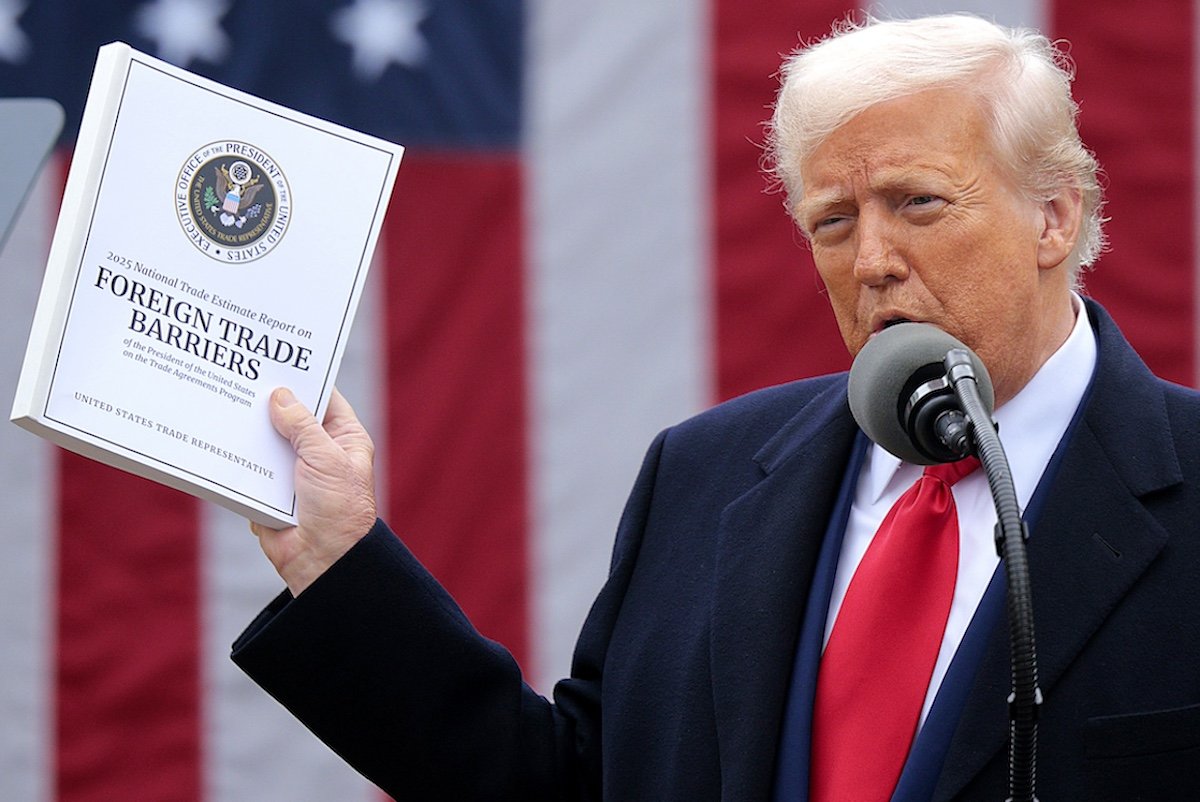
The United States Supreme Court has delivered a significant ruling that curtails the executive branch's unilateral power to impose tariffs, declaring key aspects of former President Donald Trump's trade policy illegal. In a 6-3 decision, the Court found that Trump's use of the International Emergency Economic Powers Act (IEEPA) to levy tariffs represented an unconstitutional expansion of presidential authority, affirming that the power to tax imports rests solely with Congress.
Legal Avenues Remain for Tariff Implementation
Despite this judicial setback, the Trump administration's tariff agenda is far from over. The ruling does not dismantle existing tariffs overnight, and the White House retains several other legal mechanisms to impose import duties. Analysts point to older statutes from the 1960s and 1970s that grant the president conditional authority to raise tariffs, often following federal agency investigations.
Immediately following the Court's decision, Trump invoked Section 122 authority to implement a 10% tariff on all imports, subsequently raising it to 15%. This provision is temporary, lasting 150 days, but can be renewed. More potent authorities, like Section 338 of the 1930 Tariff Act—which allows for a 50% tariff with no time limit—remain untested but available.
"Future tariffs will need to be imposed through more technical trade authorities or by Congress itself," the ruling effectively stated, but the immediate result is a complex web of overlapping duties. Because the new blanket tariffs interact with older, product-specific tariffs still on the books, the effective tariff rate facing importers could climb even higher than before the Supreme Court intervened.
Economic Impact and Asian Trade Relationships
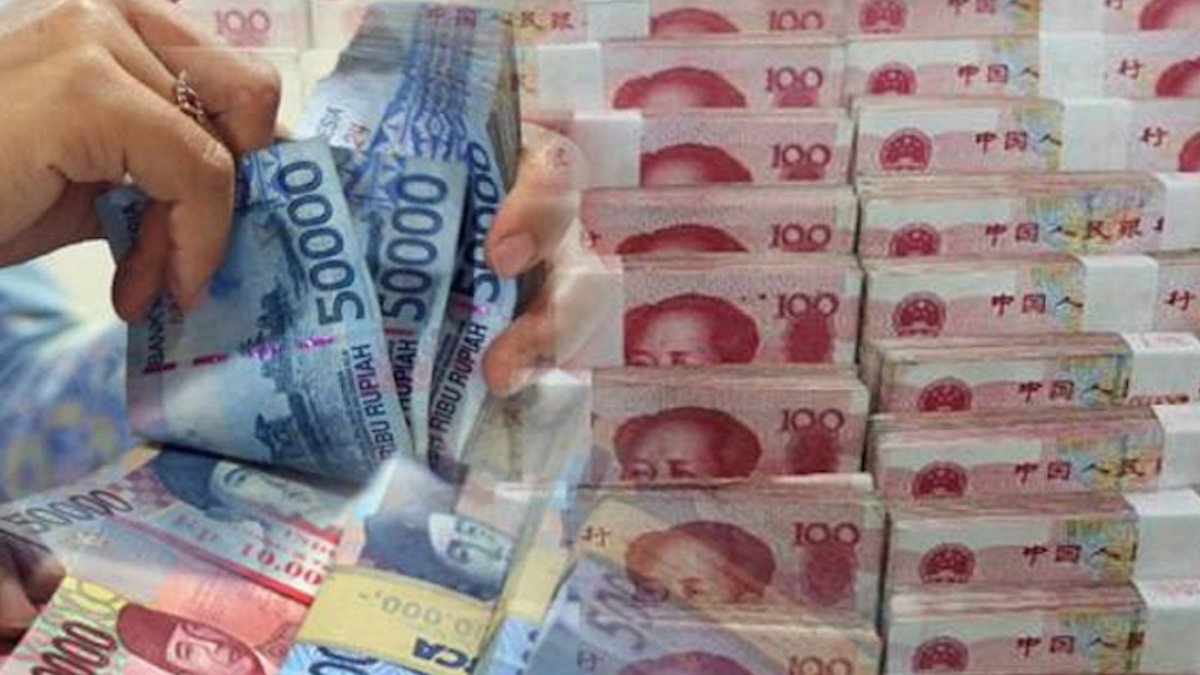
The persistence of high US tariffs has direct and profound consequences for Asian economies. China, the primary target of the earlier "Section 301" tariffs, continues to face elevated duties on a wide range of exports. Major US allies and trading partners like Japan, South Korea, Vietnam, and India are also impacted by the new blanket tariffs, which apply to all countries.
The official rationale for the tariffs—reducing America's chronic trade deficit—has not materialized. Data shows the overall US trade deficit has remained largely unchanged, merely shifting somewhat from China to other nations like Vietnam and Mexico. Economists widely agree that tariffs function as taxes on intermediate goods, raising costs for domestic manufacturers who rely on imported components.
This dynamic is acutely felt in Asia's export-oriented economies. For instance, South Korean semiconductor firms and Japanese auto parts suppliers are integral to US supply chains. Higher costs disrupt these networks and can lead to retaliatory measures, as seen in past trade tensions. The policy creates uncertainty for businesses from Seoul to Singapore that depend on stable access to the US market.
Evidence of the policy's domestic cost is mounting. The US manufacturing sector has contracted for multiple consecutive months since the tariffs were announced, with companies citing increased input costs as a key pressure point. "Manufacturers shed workers in each of the eight months after Trump unveiled 'Liberation Day' tariffs," reported the Wall Street Journal, contradicting promises of a manufacturing renaissance.
Strategic Exemptions and Geopolitical Context
In a telling acknowledgment of economic reality, the Trump administration has carved out significant exemptions, particularly for the technology sector. Computers and hardware essential for building artificial intelligence data centers have been largely shielded from tariffs, recognizing the AI boom's importance to economic growth.
This selective application underscores that the tariff policy is as much a geopolitical tool as an economic one. It occurs alongside other administration actions with clear Indo-Pacific ramifications, such as the naval posture in the Strait of Hormuz, which affects energy flows to Asia, and a proposed major defense budget increase with Pacific theater implications.
The tariff strategy also complicates diplomatic efforts. For example, Chinese officials have called for US-Iran dialogue, partly due to concerns that Middle Eastern instability and US trade policies could combine to shock Asian economies. Furthermore, the risk of regional conflict threatens energy security for major importers like Japan, India, and South Korea.
For the remainder of his term, Trump appears poised to test the limits of various trade statutes, likely facing fresh legal challenges with each move. This creates a sustained period of trade policy uncertainty for Asian exporters and governments. The ultimate goal seems less a clearly defined economic outcome and more the assertion of a muscular, unilateral approach to trade relations—a stance that continues to redefine America's economic engagement with the Indo-Pacific.