The past week has crystallized several truths about the war in Ukraine, but the most significant is how the United States, under President Donald Trump, has become an inadvertent enabler of Russia's war effort. While the administration's distractions—from tariff theatrics to the bizarre prospect of selling air-defense systems to Ukraine—dominate headlines, the underlying reality is that Washington's policies are shaping the conflict in Moscow's favor.
Ukraine's Ground Gains vs. Russia's Ranged Advantage
On the ground, Ukrainian forces are demonstrating remarkable initiative. Operation Vivaldi, a coordinated offensive in the Lyman and Luhansk directions, has reportedly liberated significant territory, with Ukrainian units advancing through combined infantry and drone operations. The operation, named after Antonio Vivaldi's Four Seasons, is structured in four stages, and Ukrainian commanders have confirmed that the first stage is underway.
According to Ukrainian sources, the operation involves elite units from the 3rd Army Corps, including the 60th and 125th mechanized brigades, the 3rd assault brigade, and special reconnaissance and border detachments. These forces are using small, highly trained assault teams supported by drones to minimize casualties and maximize tactical flexibility. As one Ukrainian commander noted, "The enemy is broken and disorganized; we are moving forward."
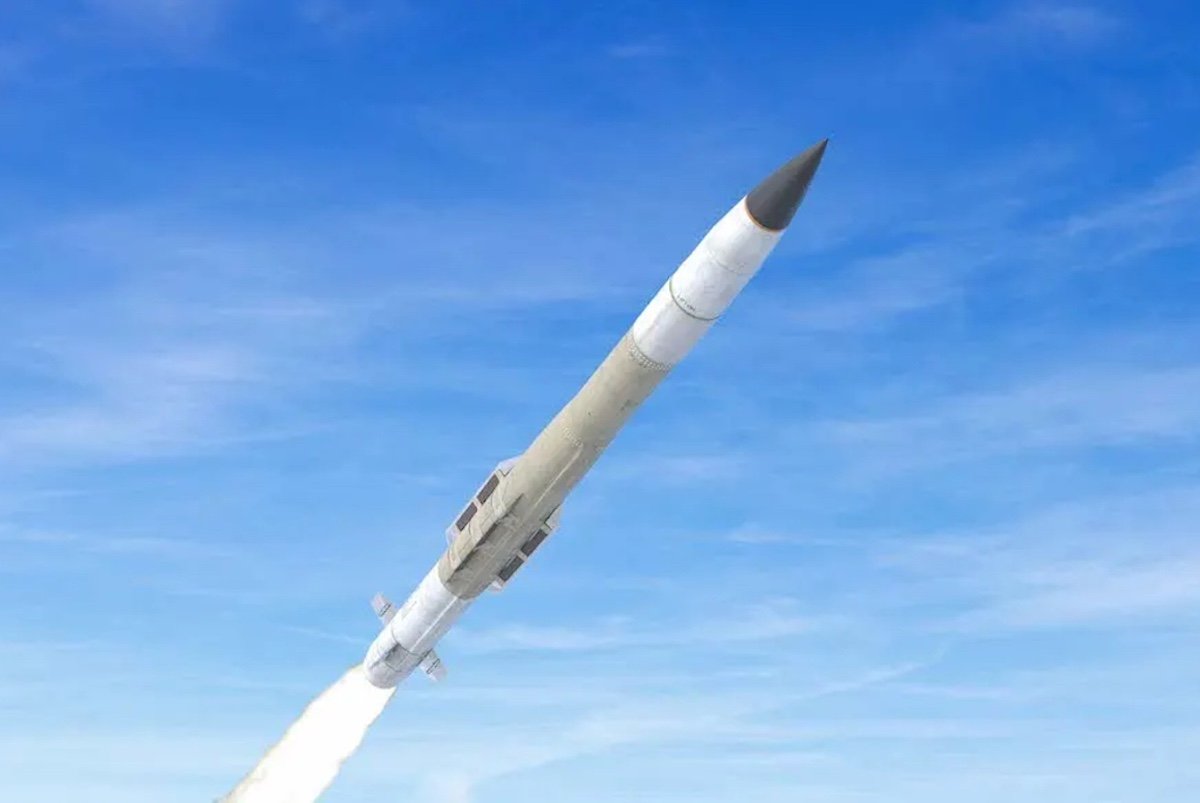
However, the strategic picture is more complex. While Ukraine excels in maneuver warfare, Russia retains a decisive advantage in ranged strikes—missiles, drones, and artillery—that devastate Ukrainian cities and infrastructure. This advantage is being amplified by the Trump administration's decision to withhold air-defense systems and other critical support from Kyiv. By starving Ukraine of the means to counter Russian missiles, Washington is effectively handing Moscow the initiative in the air war.
The US Role: Aiding Russia by Default
The contrast is stark: on the battlefield, Ukraine is advancing; in the skies, Russia is dominating. This dichotomy underscores the dangerous reliance of Ukraine on US military aid, a lesson that resonates across the Indo-Pacific, where nations like Taiwan and Japan watch closely. The Trump administration's erratic policy—alternating between threats and concessions—has created a vacuum that Russia is exploiting.
As the war enters its third winter, the implications extend beyond Europe. Asian capitals, from Seoul to Tokyo, are reassessing their own security postures in light of Washington's reliability. The European rhetoric about standing firm often masks a deeper reluctance to commit, while the US under Trump appears more interested in transactional deals than in upholding the post-war order.
Meanwhile, Russia's use of AI to train kamikaze drones highlights the technological edge Moscow is gaining, partly through Western inaction. The war is no longer just about territorial control; it is a test of whether democratic alliances can adapt to new forms of warfare.
What This Means for Asia
For Asian nations, the Ukraine war is a stark reminder that security guarantees are only as strong as the political will behind them. Japan, South Korea, and Taiwan are all watching how the US handles a crisis in Europe, knowing that a similar scenario could unfold in the Taiwan Strait or the East China Sea. The reshaping of Russia's alliances with the Global South further complicates the picture, as Moscow seeks to build a coalition of states wary of Western dominance.
In this context, Trump's approach to Ukraine is not just a European issue—it is a signal to Asia about American resolve. If Washington can abandon Kyiv, what might it do for Taipei or Seoul? The answer is uncertain, but the trend is worrying.
As Operation Vivaldi continues, the world watches not only the battlefield but also the corridors of power in Washington. The war's outcome may ultimately be decided not by Ukrainian bravery or Russian brutality, but by the choices made in the White House.