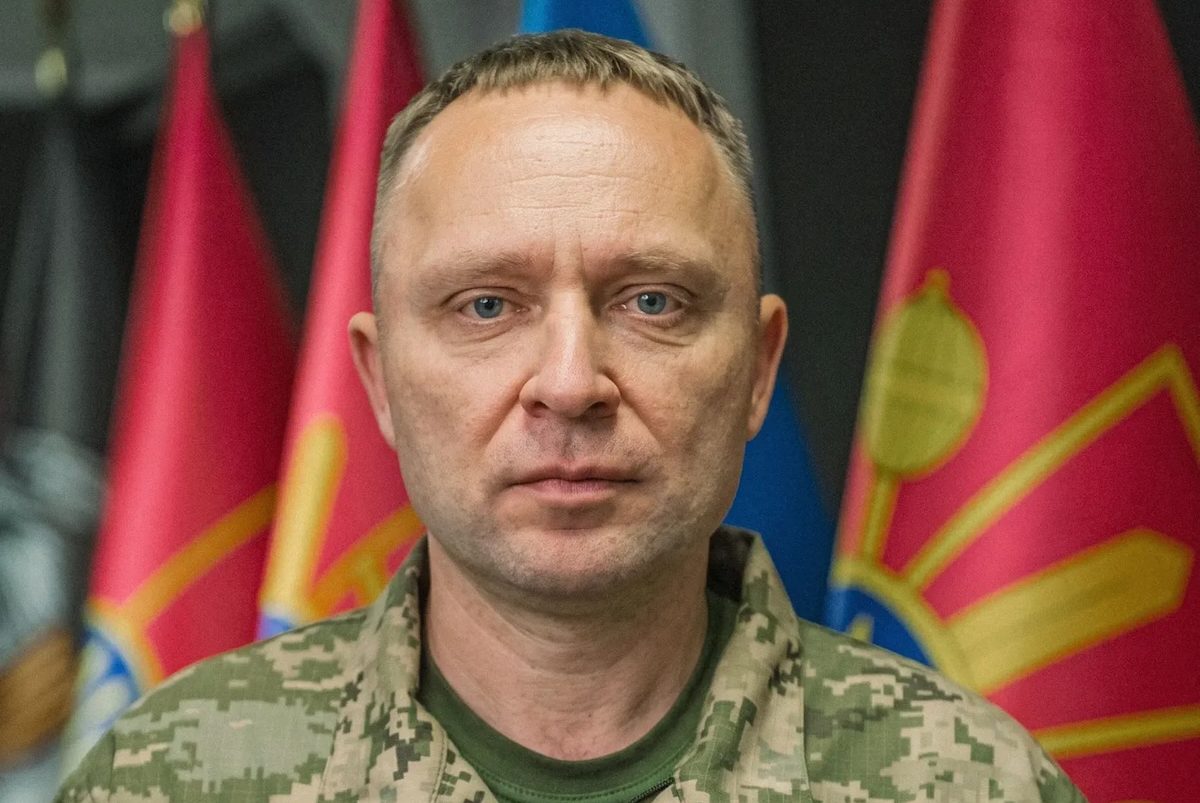
Last week marked a pivotal moment for Ukrainian democracy and the trajectory of its war effort. After two and a half years of conflict, President Volodymyr Zelensky transferred overall command of the Ukrainian army from General Oleksandr Syrskyi to General Mykhailo Drapatyi. The move, widely praised by Ukrainians, reflects a rare instance of civil society shaping military leadership in wartime.
The change was triggered by the dismissal of Defense Minister Mykhailo Fedorov, which sparked protests across Ukraine. Demonstrations grew in intensity, demanding not only Fedorov's reinstatement but also Syrskyi's removal. Zelensky, caught off guard by the backlash, faced a binary choice: keep Syrskyi or bow to public sentiment. He chose the latter, appointing Drapatyi on Tuesday.
Why Syrskyi Had to Go
Syrskyi, a divisive figure, had long polarized opinion. Critics accused him of micromanagement, a Soviet-era mindset, and prioritizing tactical gains over strategic success. Fedorov, in a press conference after his dismissal, accused Syrskyi of "splitting the country" and the military. He claimed units loyal to Syrskyi received preferential access to drones and equipment, while others were deprived. "Supplies do not flow through the corps," Fedorov said. "If you are loyal, you receive supplies; if you are not, you receive nothing."
Syrskyi's attempt to downplay the rift—saying he was "surprised to learn that we have a conflict"—only fueled public anger. Zelensky ultimately decided Syrskyi's position was untenable, paving the way for Drapatyi, a commander with a reputation for adaptability and modern tactics.
The Standoff Over Defense Minister
While the command change was welcomed, the core demand—Fedorov's return as defense minister—remains unresolved. Zelensky has offered Fedorov advisory roles, including a deputy prime minister position focused on military-technical matters, but Fedorov has refused. He argues that only three positions determine the war's course: president, defense minister, and commander-in-chief.
Zelensky has appointed Evgeniy Khmara as acting defense minister, pending parliamentary approval. Khmara, a former head of Ukraine's strategic services, is seen as more aligned with Fedorov's approach than Syrskyi's. However, the standoff continues, with no clear resolution in sight.
This episode underscores the strengths and challenges of democratic governance in wartime. As Ukraine's defense minister dismissal sparked protests, it also demonstrated how public pressure can drive accountability. Meanwhile, Ukraine's drone campaigns, including attacks in the Sea of Azov, continue to reshape the battlefield.
For now, Ukraine's leadership faces a delicate balancing act: maintaining military momentum while managing internal political dynamics. The coming weeks will reveal whether this democratic recalibration strengthens or complicates the war effort.