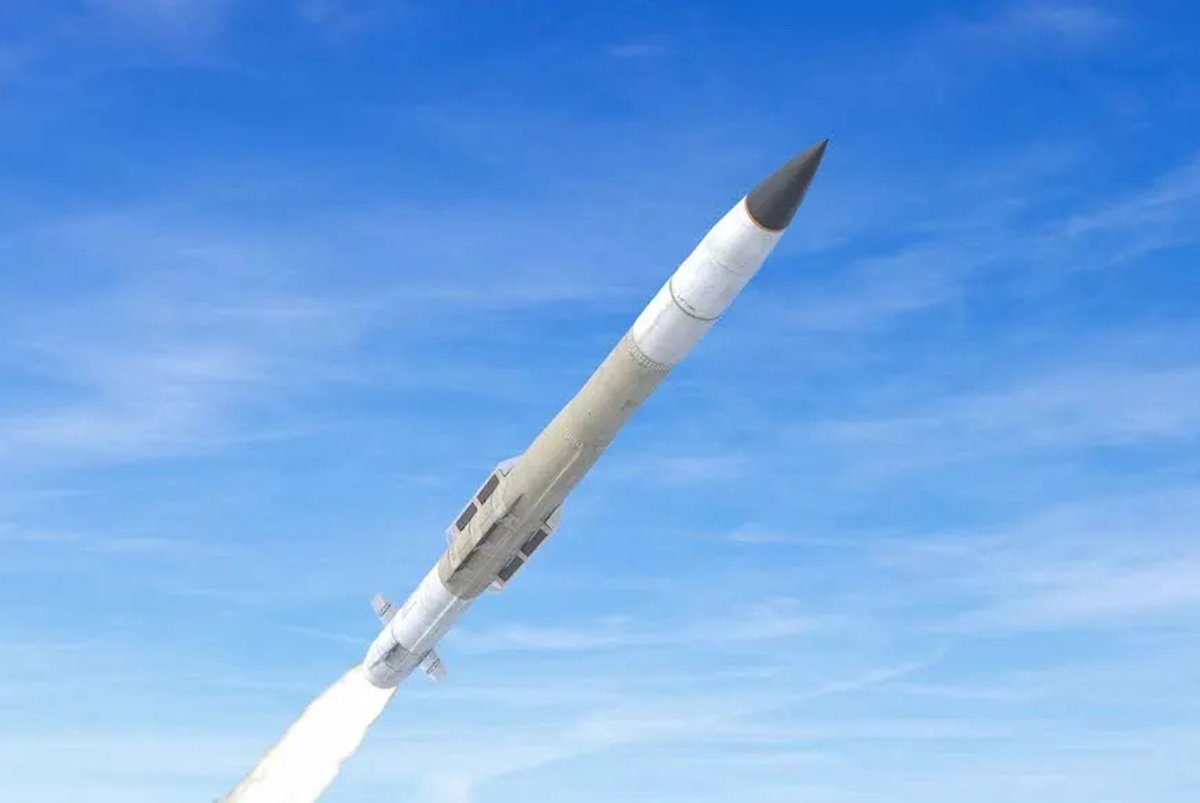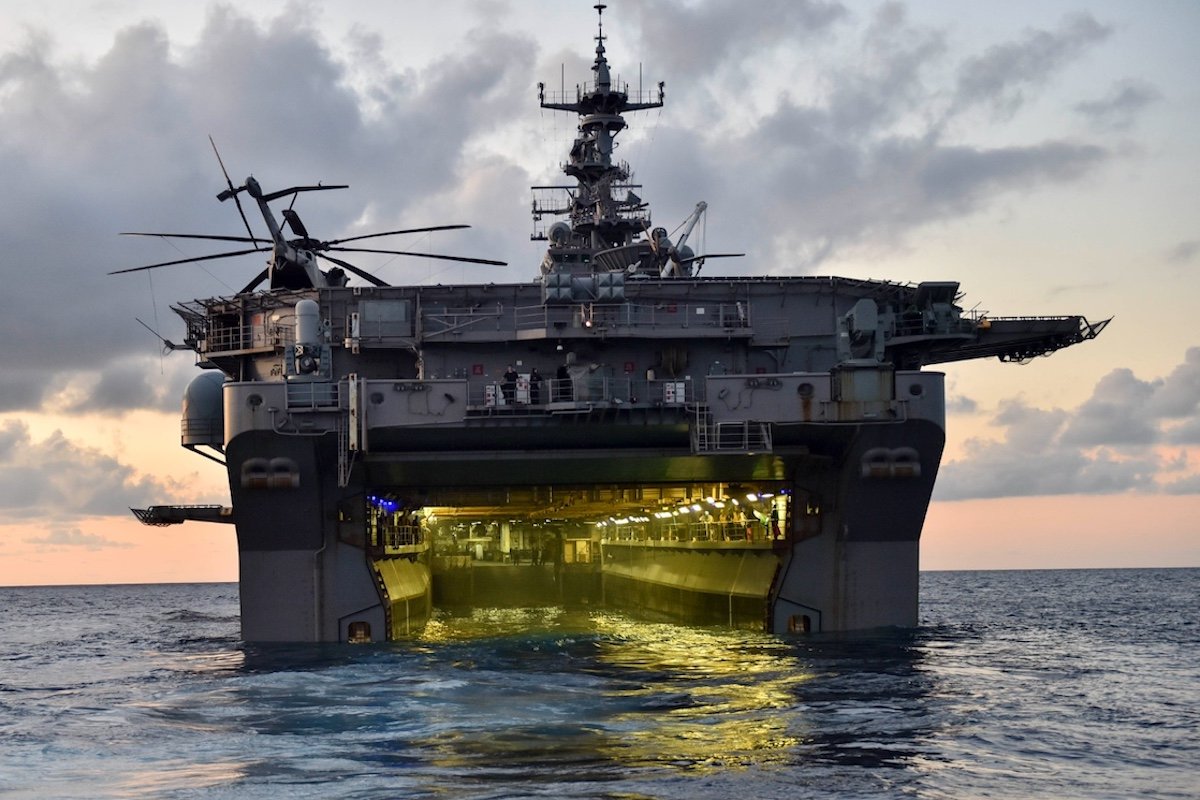
The US Navy and Marine Corps are pushing to expand their amphibious fleet, but the move has reignited a fundamental strategic debate: are big-deck amphibious assault ships still essential for power projection, or have they become high-value targets in an era of precision-guided missiles?
According to a report by The War Zone, senior US Navy and Marine Corps leaders have agreed that the military needs 40 amphibious warfare vessels—up from the 31 mandated by Congress—to sustain three continuously deployed Marine Expeditionary Units (MEUs) worldwide. A joint review by the Amphibious Force Readiness Board concluded that maintaining a steady 3.0 Amphibious Ready Group (ARG) and MEU presence would require 13 large-deck assault ships and 27 amphibious transport docks.
This target marks a notable shift from the previous Commandant, General David Berger, whose Force Design 2030 favored smaller, more dispersed, and more survivable vessels over concentrated large-deck ships. The new plan aims to reach 40 ships through a mix of new construction, including existing contracts with Huntington Ingalls Industries, and selective service-life extensions for older hulls.
However, the proposal faces significant fiscal and legislative hurdles. After the midterm elections, Democrats regained control of both chambers of Congress, and incoming House Armed Services Committee Chairman Adam Smith has signaled plans to scrutinize defense spending above $1 trillion. The existing amphibious fleet also has a combat surge readiness rate of only 47%, hampered by chronic shipyard maintenance delays, extended deployments, and rising sustainment costs from operations against Iran.
The case for more amphibious ships
Proponents argue that amphibious assault ships are vital for forward deterrence and crisis response. In a June 2026 Atlantic Council article, Caleb Eames and Amy Cowley stressed that more such ships are needed to bridge gaps in aircraft carrier coverage and respond to international crises within hours. Embarked Marine Expeditionary Units provide flexible, multidomain capabilities—launching amphibious assaults, seizing terrain, and executing vertical envelopment with F-35B stealth fighters—while sustaining self-sufficient operations ashore for 30 days.
They also noted that meeting strategic commitments, including concurrent demands in the Middle East and the Western Pacific, hinges on keeping three amphibious ready groups continuously at sea to present adversaries with complex dilemmas in vital littorals.
The missile threat
Yet the operational reality of modern maritime conflict may undermine the case for large amphibious ships. Hew Strachan, writing in a July 2024 article for the Royal United Services Institute (RUSI), argued that large-scale amphibious assaults aimed at seizing permanent footholds are virtually obsolete due to lethal anti-access/area-denial (A2/AD) networks. Advanced sensors, guided missiles, and drones eliminate the operational surprise and sea control that Normandy-style invasions require. Strachan contends that amphibious forces have shifted from mass concentration to raiding, dispersion, and sabotage—operating as agile, light stand-in forces rather than massed armadas.
This is particularly relevant in the Indo-Pacific, where China's growing missile arsenal, including anti-ship ballistic missiles, poses a direct threat to large surface vessels. As China's amphibious buildup continues, the vulnerability of US big-deck ships becomes a central concern.
Hybrid fleet and lightning carriers
Some analysts propose a hybrid approach. Brian Kerg, in a July 2026 War on the Rocks article, suggested that traditional large amphibious ships will be phased out of the perilous opening assault phase in favor of cheaper, uncrewed landing craft. These robotic systems would establish initial beachheads, while conventional ships and embarked Marines are held back for follow-on roles—reinforcing, sustaining, and exploiting lodgments secured by machines.
Another concept is the "lightning carrier," which transforms big-deck amphibious assault ships into light aircraft carriers by embarking up to 20 F-35B stealth fighters. Capitalizing on aviation-optimized America-class ships—which forgo well decks for expanded hangar, fuel, and munitions capacity—this design allows two full fighter squadrons to deploy together, potentially supplementing traditional carriers.
However, critics warn that such a role only increases the ships' value as targets. As China's navy expands and refits its destroyers, the US must weigh the benefits of large-deck platforms against their vulnerability to precision strikes.
The debate is not merely academic. With the US military facing budget constraints and a demanding operational tempo, the decision on amphibious fleet size will shape American power projection for decades. As Japan's defense consensus evolves and regional allies watch closely, the US must balance tradition with innovation—or risk sailing into a missile trap.