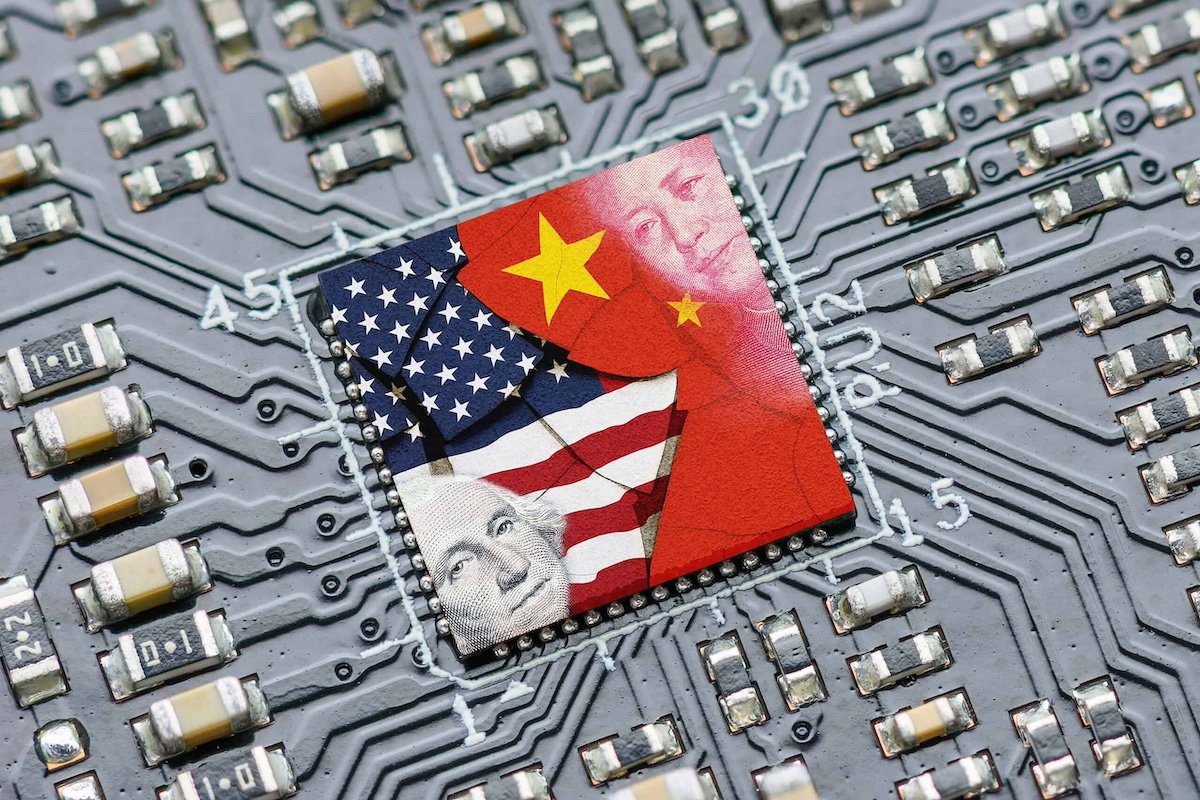
In Washington and Silicon Valley, the term Artificial General Intelligence (AGI) has become a policy lodestar. Lawmakers invoke it to justify massive spending, tech executives tie timelines to national dominance, and analysts warn that the first to achieve it will reshape global power. Yet AGI remains a concept that no one can clearly define, reliably measure, or guarantee will ever arrive in the singular form imagined.
Ask ten AI researchers what AGI means, and you will likely get ten different answers. Some describe human-level performance across all cognitive tasks; others frame it economically as the automation of the most valuable human labor; still others emphasize autonomy or the capacity for original scientific discovery. These definitions are not interchangeable. A system that writes code or solves benchmarks is not the same as one that can redesign its own architecture or conduct groundbreaking research in unpredictable environments. As observers have noted, AGI often seems to mean “whatever the next system cannot yet do.”
The Structural Gap Between Human and Machine Intelligence
The confusion runs deeper than semantics. AGI rests on an implicit assumption that intelligence is a unitary capability that can be reproduced in a single system resembling human cognition. This is a category error. A bird and an airplane both fly, but through entirely different mechanisms. Today’s AI systems perform tasks that resemble human reasoning—diagnosing, optimizing, creating—through statistical pattern matching on vast data sets, not through experience, intention, or embodied understanding.
Human intelligence is situated: it emerges from bodies, cultures, social relationships, and lived reality. AI simulates tone without feeling it, reproduces patterns without inhabiting them, and generates language without genuine intention. This gap is structural, not a temporary shortfall awaiting more scale. Current systems still show persistent limitations: shallow reasoning in novel situations, brittle generalization, lack of robust long-term memory, and dependence on human-curated data. Progress is real, but it looks more like iterative improvement in powerful tools than a march toward a singular breakthrough.
By framing AI competition as a sprint to an AGI finish line, US policy risks distorting priorities. Resources concentrate on ever-larger frontier models developed by a handful of private labs, sometimes at the expense of broader adoption, infrastructure, workforce development, and institutional integration. This creates a winner-take-all mindset that history does not support. General-purpose technologies like electricity, the automobile, and the internet diffused across borders and contexts. Value accrued to those who integrated and applied them effectively, not merely to those who invented them first.
China’s Alternative: Deployment at Scale
Meanwhile, China has pursued a different emphasis. While not ignoring advanced research, Beijing has prioritized rapid deployment: embedding AI at scale across manufacturing, logistics, urban systems, education, and industry. Chinese models have narrowed performance gaps dramatically, and the country leads in areas like AI publications, patents, and industrial robot adoption. The US retains an edge in frontier capabilities and private investment, but the deeper contest is increasingly about who can turn powerful tools into systemic advantage through diffusion and integration.
The real danger for America is not “losing the AGI race.” It is winning on speculative breakthroughs while falling behind in the practical, economy-wide application of AI—producing the world’s most advanced models yet failing to fully embed intelligence into its institutions, workforce, and infrastructure. Hype cycles compound the risk. Overpromising imminent AGI has a long track record of disappointment, potentially leading to “AI winters” of disillusionment and disinvestment.
None of this means abandoning frontier research. Breakthroughs in models, algorithms, and efficiency matter enormously. But a saner approach would prioritize steps China has already taken: accelerating adoption across government and industry, modernizing data infrastructure and energy systems, investing heavily in workforce training and AI literacy, and supporting a broader research ecosystem beyond a few large private firms. These steps lack the drama of a Manhattan Project for AGI. They are also far more likely to determine long-term competitive outcomes.
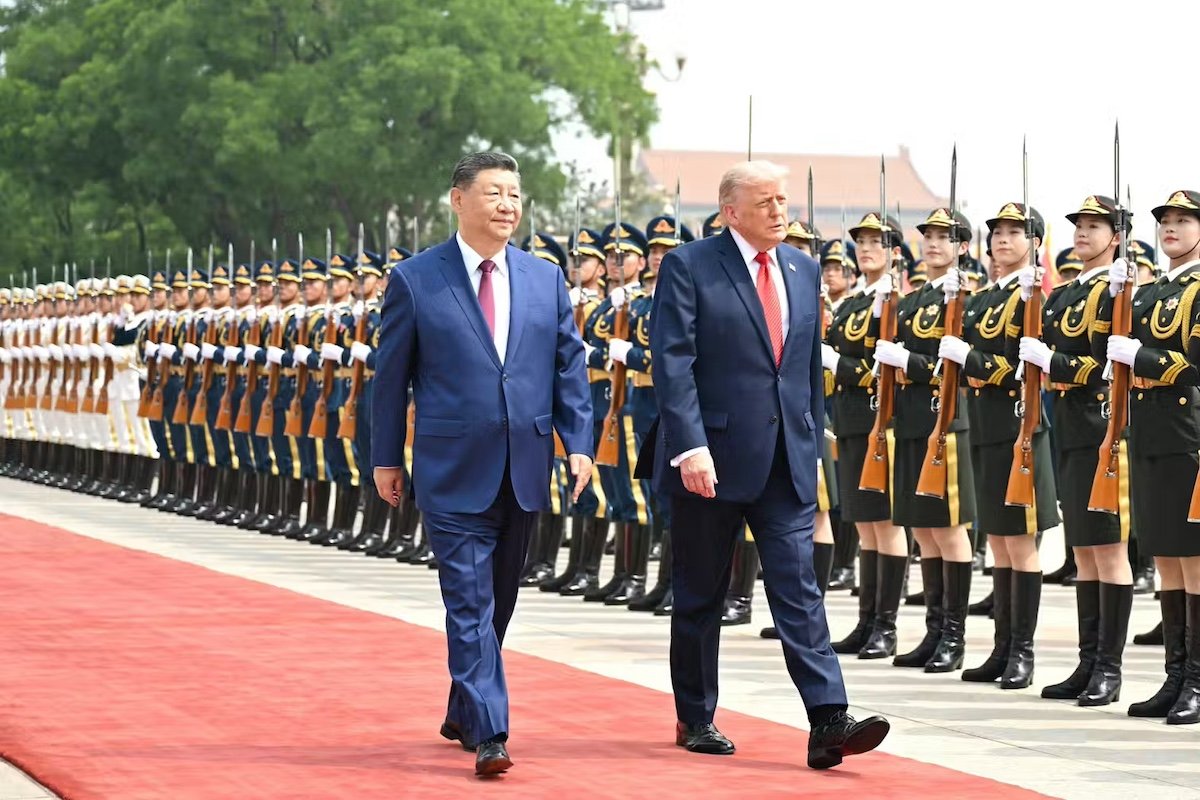
As the US and China compete for technological supremacy, the contrast is stark. Washington chases a mirage; Beijing builds the future. The outcome may hinge not on who reaches a mythical finish line first, but on who embeds intelligence into the fabric of their economy and society. For a deeper look at how these dynamics play out in other domains, see our analysis of the US Navy's drone swarm strategy and the competition over fusion energy supply chains.