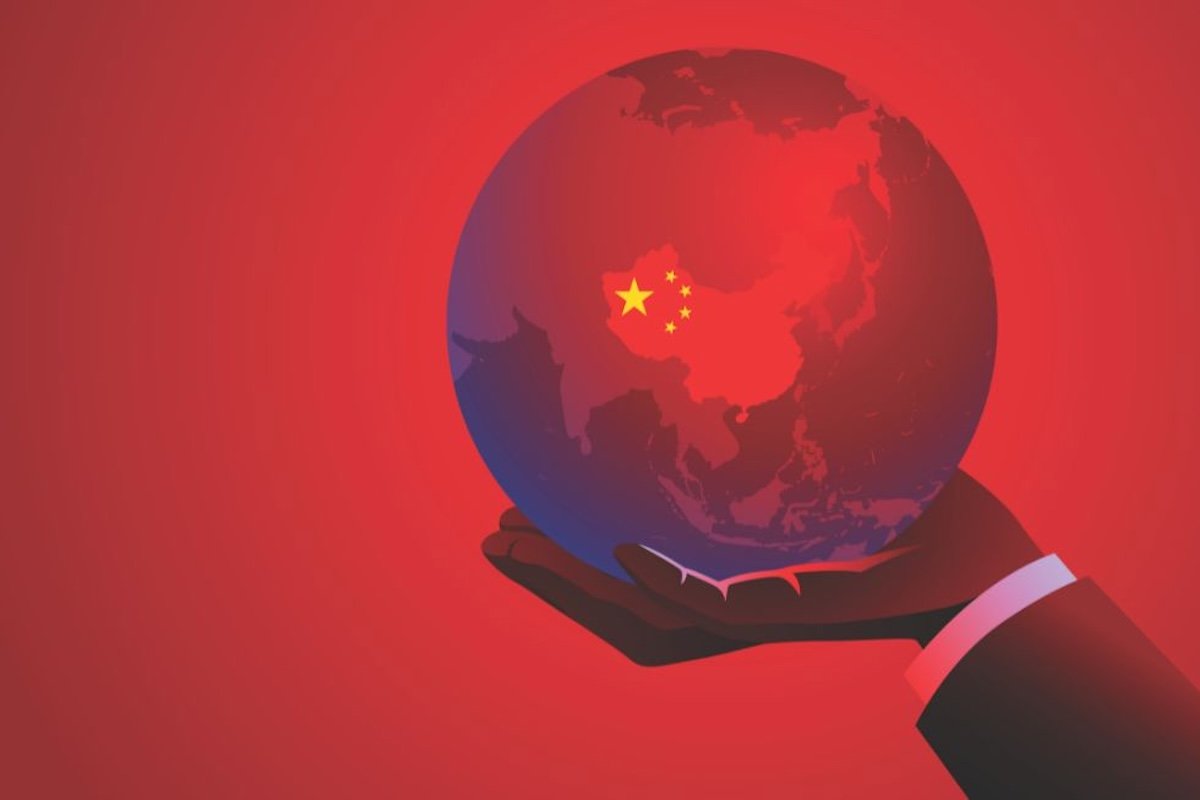
The US-China summit held in Beijing on May 14, 2026, was designed to ease great power rivalry through what both sides called "constructive strategic stability." Chinese President Xi Jinping rejected the inevitability of the Thucydides trap—the theory that a rising power will clash with an established one—while US President Donald Trump endorsed stability but deflected talk of American decline by blaming his predecessor.
Both nations emphasized economic engagement, avoiding the term "dependence," and sidelined strategic disputes for the moment. Trump touted his achievements, and the White House later celebrated "great deals" signed during his visit. However, the summit was largely diplomatic theater, yielding no concrete structural agreements. The two powers focused on managing risks within a pragmatic framework that ignored fierce competition over supply chains, AI military applications, and energy security shifts.
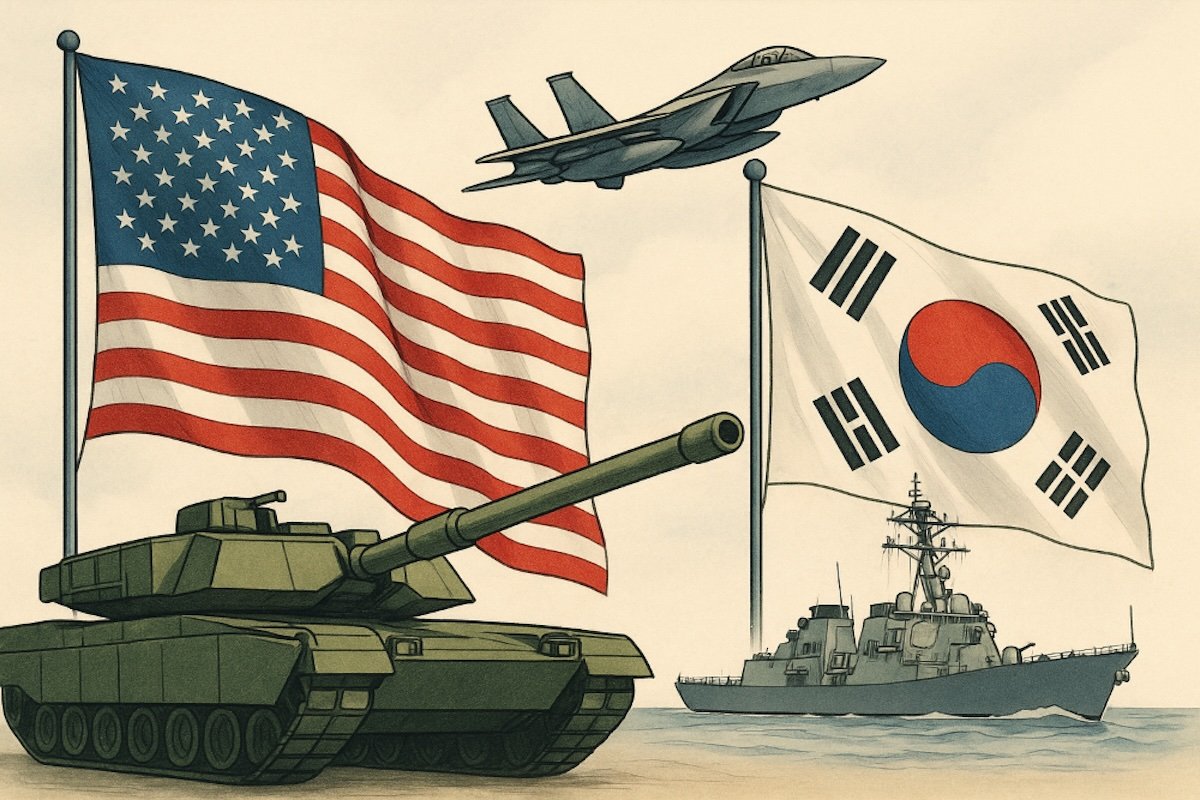
For countries like South Korea, the ambiguity of US-China relations is a strategic liability. Seoul must navigate between the two giants, and its survival depends on rapid, autonomous decision-making. The summit's lack of clarity has accelerated South Korea's distancing strategy, already visible in its military posture.
South Korea's Autonomous Defense Expansion
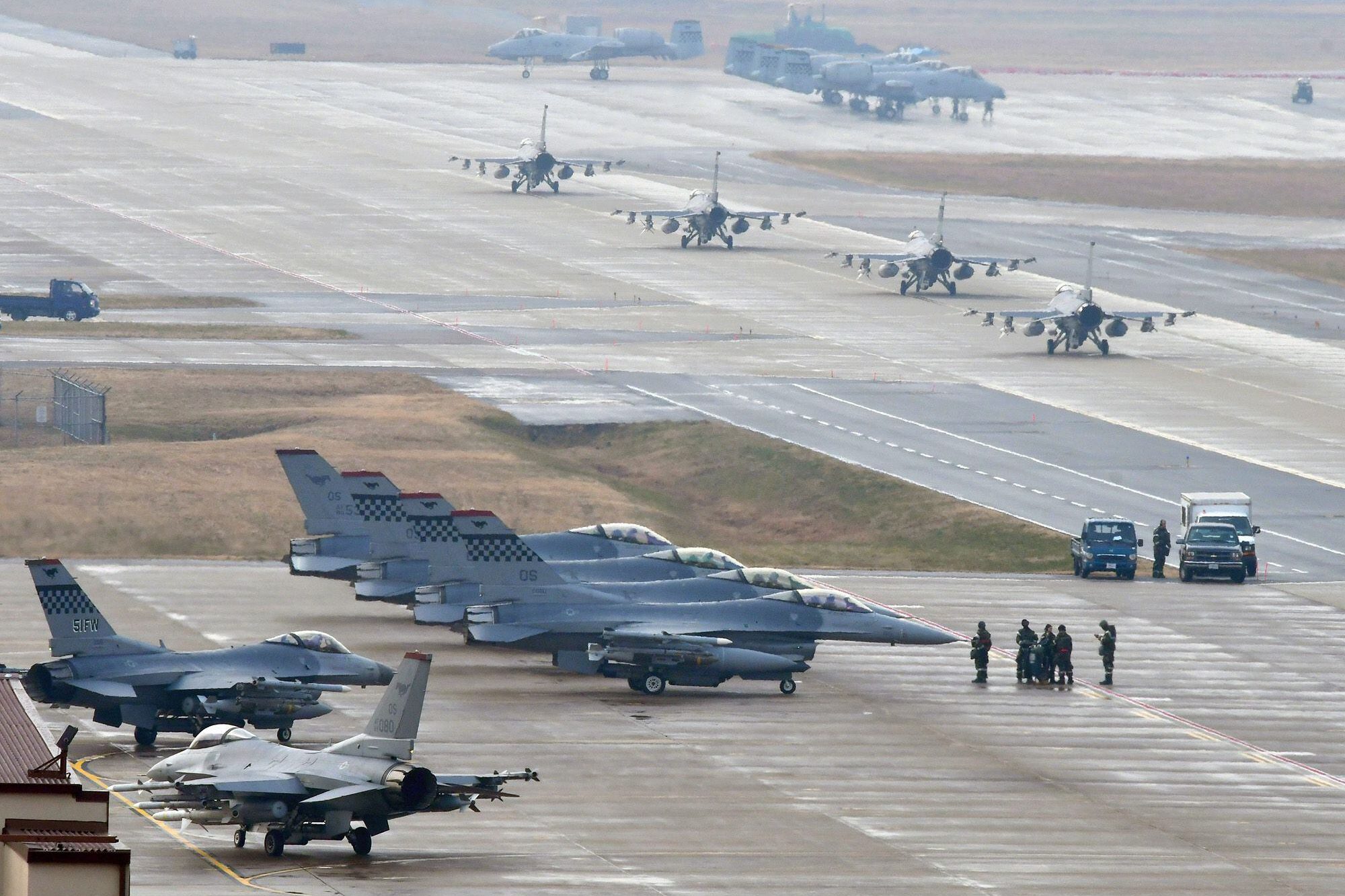
South Korea's military has a long history of cooperation with US forces, dating back to the Korean War. But Trump's "America First" policies have marginalized Seoul. Despite verbal assurances, the US security commitment against North Korea has weakened. In response, South Korea is rapidly expanding autonomous defense capabilities, including a project to build nuclear-powered submarines. Public opinion increasingly supports developing an indigenous nuclear deterrent, reflecting a broader shift away from reliance on Washington.
This trend is not unique to South Korea. Across the Indo-Pacific, nations are reassessing their ties to both great powers. Japan, Taiwan, and ASEAN members face similar dilemmas, as the US-China competition resurfaces regionally and globally. The summit's failure to address underlying tensions leaves these countries in a precarious position.
The US-China relationship remains murky. Trump, facing midterm elections and a potential lame-duck status, is desperate for successes after a failed tariff war, mishandling of the Ukraine conflict, and a costly war with Iran. US rare earth stocks, essential for advanced technologies and largely controlled by China, were depleted by the Iran conflict. At the summit, Xi authorized limited rare earth supplies and agreed to purchase 200 Boeing aircraft, along with soybeans, beef, and pork. In return, Trump made ambiguous remarks about Taiwan and paused a major arms sale to the island, disappointing Taipei.
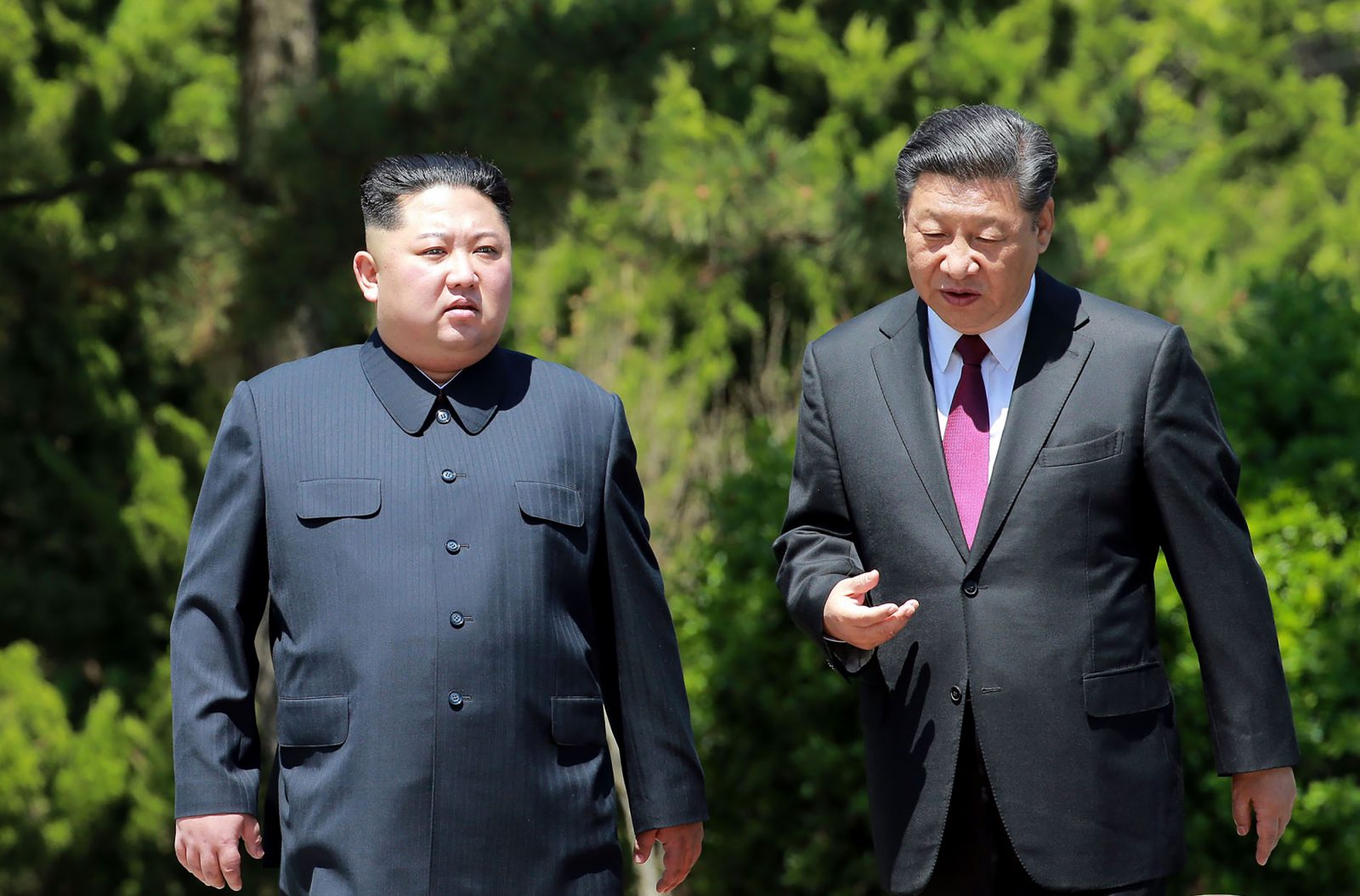
The summit's fact sheet touted a "constructive relationship of strategic stability" based on "fairness and reciprocity," but these terms are interpreted differently in Washington and Beijing. The underlying competition will resurface, and the nations most affected—Japan, South Korea, North Korea, Taiwan, and ASEAN—must navigate a path between the two powers to assure their survival.
South Korea's distancing strategy is a pragmatic response to this uncertainty. As the US-China rivalry intensifies, Seoul is building its own capabilities, a move that mirrors broader regional trends. The era of relying solely on great power guarantees is fading, and Asian nations are increasingly charting their own courses.