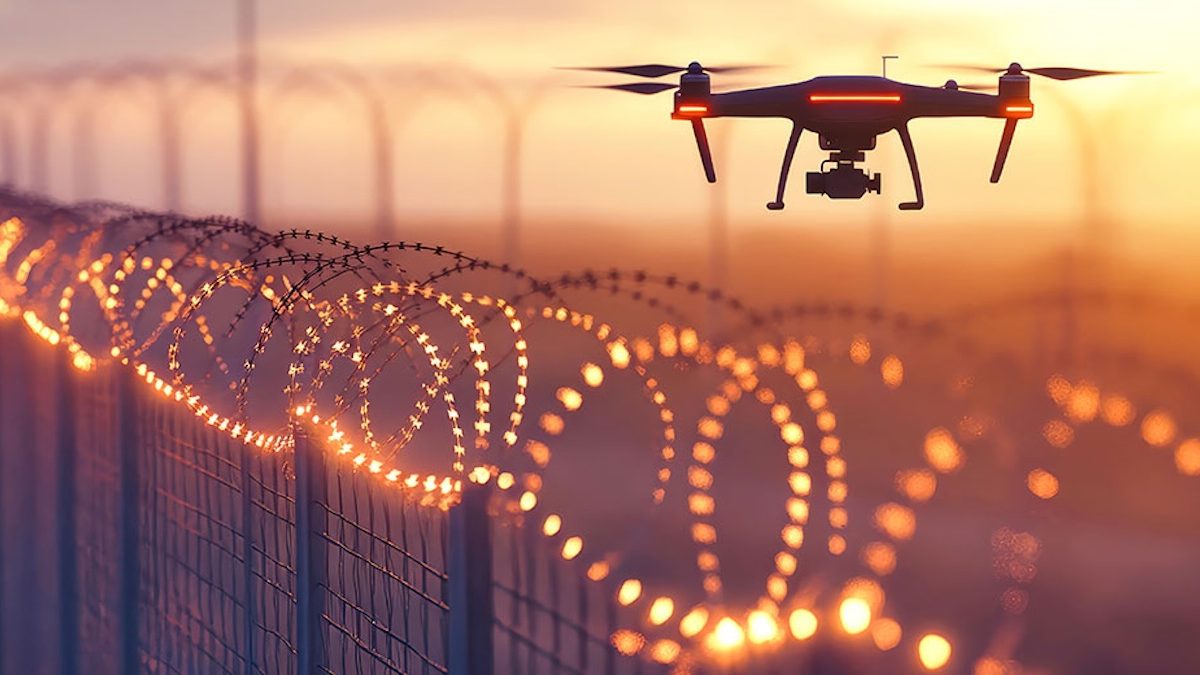
The United States is beginning to address the growing challenge of drone incursions over its territory, but current responses lag behind the escalating threat. In 2025, authorities tracked 34,000 drones along the southern border—a significant jump from the previous year. Late 2024 saw mass sightings across New Jersey, New York, and Pennsylvania, with military officials confirming unauthorized flights over sensitive sites like the Picatinny Arsenal in New Jersey.
Military Countermeasures Under Development
The DEVCOM Armaments Center at Picatinny is a key partner in Project Golden Shields, an Army initiative to develop autonomous counter-drone systems capable of neutralizing swarms and high-volume aerial threats. The system automates the detection and response chain and was recently tested by the 1st Cavalry Division at Fort Hood, Texas. Given its potential to counter sophisticated drone attacks, Golden Shields is considered a high-priority target for America's adversaries.
Persistent drone threats have also been reported at strategic military bases, including Barksdale Air Force Base in Louisiana, Langley Air Force Base in Virginia, and Fort McNair in Washington DC—where Secretary of Defense Pete Hegseth and Secretary of State Marco Rubio reside. In March, the Pentagon urgently deployed a “Fly Away” counter-drone kit to an undisclosed location, underscoring the severity of the situation.
Cartel Drone Capabilities and Hezbollah Links
Southern border incursions, particularly within 500 meters of the border, are attributed to Mexican cartels such as the Sinaloa Cartel and the Jalisco New Generation Cartel (CJNG). These groups have evolved from using drones for surveillance and smuggling to deploying them for military-style strikes. With full access to Chinese drone technology, cartels adapt commercial platforms by adding secure communications and 3D-printed modifications to carry multiple IEDs or mortar rounds. Inspired by tactics from the war in Ukraine, they now employ high-speed FPV drones with contact-fused explosives, capable of precise targeting.
Reports indicate that cartel-trained operatives have been sent to Ukraine to study drone warfare techniques, including countering signal jammers with fiber-optic tethered drones that are immune to electronic interference. While cartel attack drones have not yet appeared over US territory, their use for tracking law enforcement suggests it is only a matter of time before they are deployed against American targets.
The cartels also maintain partnerships with Hezbollah, an Iran-controlled proxy. Hezbollah operatives, active in the tri-border area of South America, provide cartels with access to global trafficking routes and money-laundering channels. Hezbollah generates nearly 30% of its operating budget through such criminal collaborations. This nexus raises concerns about potential operations against US military sites and infrastructure, including nuclear power plants, and surveillance to support Iran's declared efforts to target top American officials. The Fort McNair intrusion was viewed by experts as part of Iran's attempt on the lives of Hegseth and Rubio.
Fort McNair Incident Exposes Defense Gaps
The Fort McNair drone swarm incident in Washington DC remains a stark example of US vulnerabilities. The drones, small to medium in size, operated with high maneuverability, bypassing standard ground-level perimeter security. They appeared to be controlled by advanced software, suggesting a coordinated swarm rather than individual pilots. Extended flight times indicated specialized battery systems. The drones were launched from the convergence of the Anacostia and Potomac rivers, or from vessels in the Chesapeake Bay, making detection difficult.
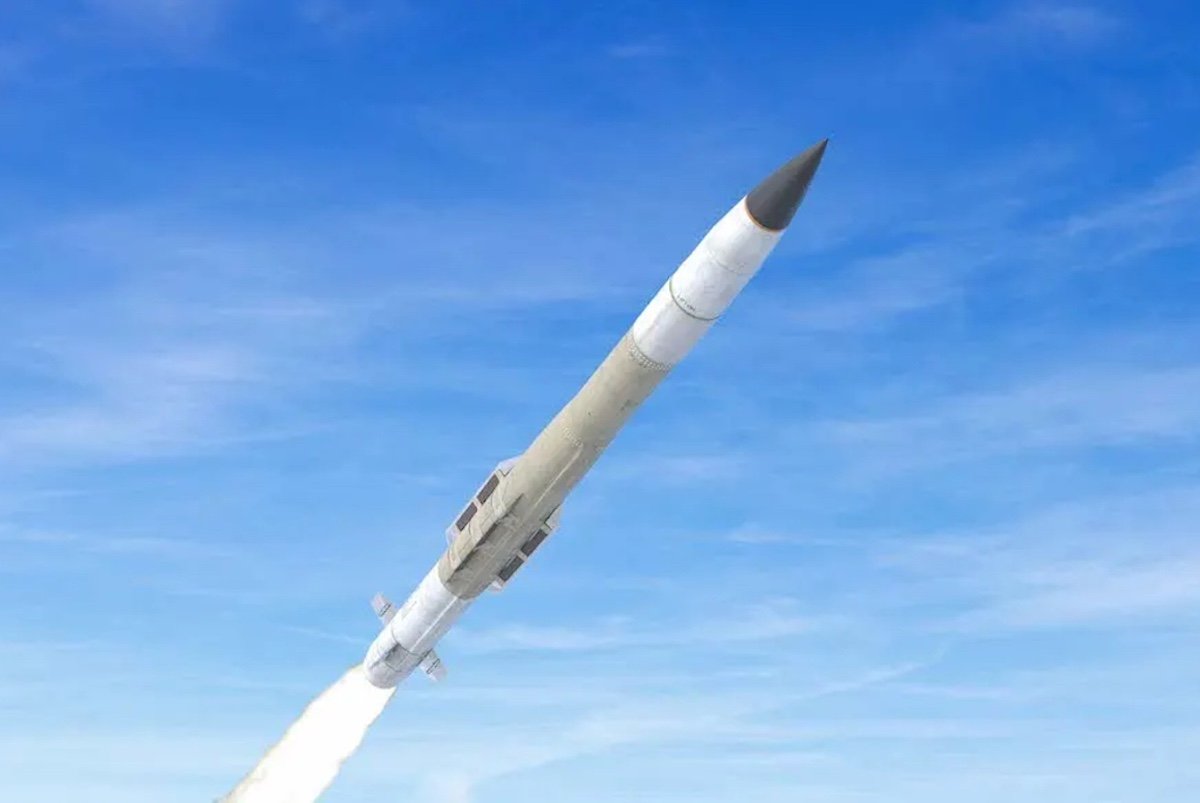
Defenders at Fort McNair attempted to jam the intruders, but the jammers failed—similar to what occurred at Barksdale. There was no effort to shoot them down, and fighter jets from the 113th Wing at Joint Base Andrews, less than two minutes away, were not scrambled. This incident highlights a broader challenge: the US military's reliance on expensive missiles and jammers that may be ineffective against cheap, adaptable drones, a dilemma explored in US Military's Costly Dilemma: Million-Dollar Missiles vs. Iran's Cheap Drones. As drone technology proliferates, the gap between threat and response is likely to widen, demanding urgent investment in countermeasures and intelligence cooperation with allies across the Indo-Pacific.