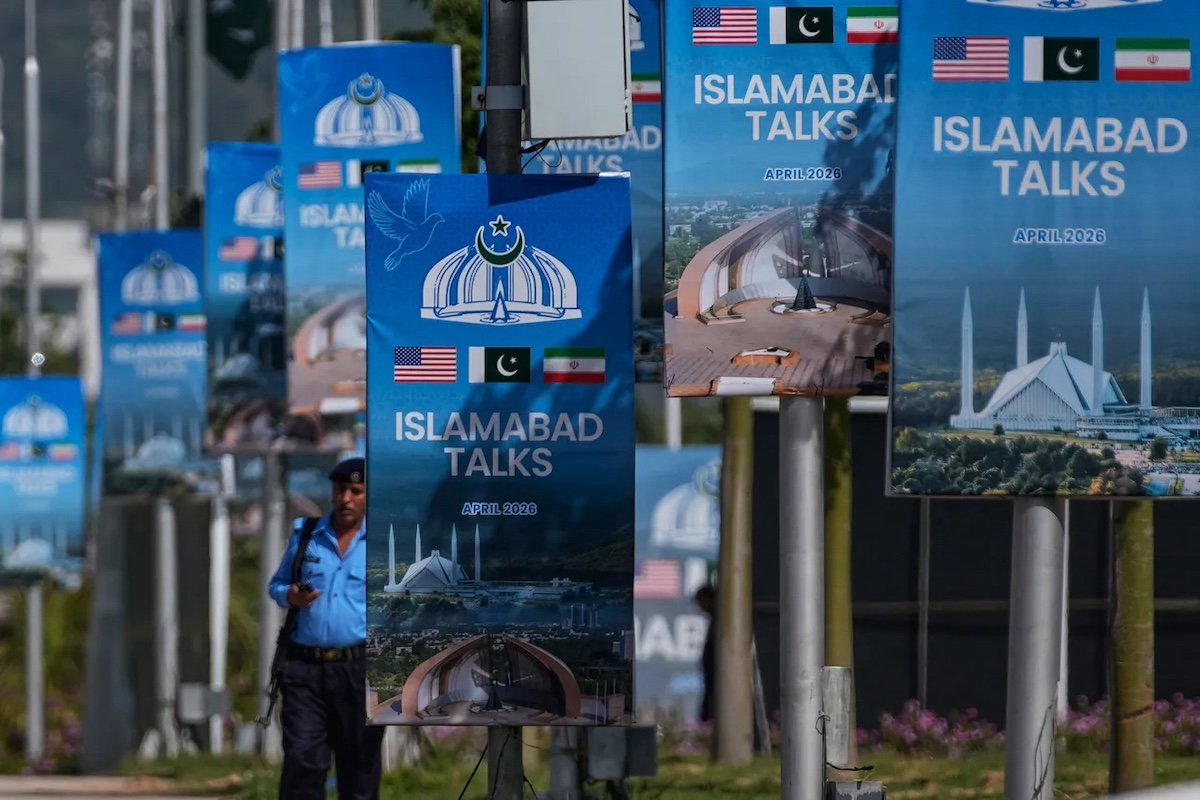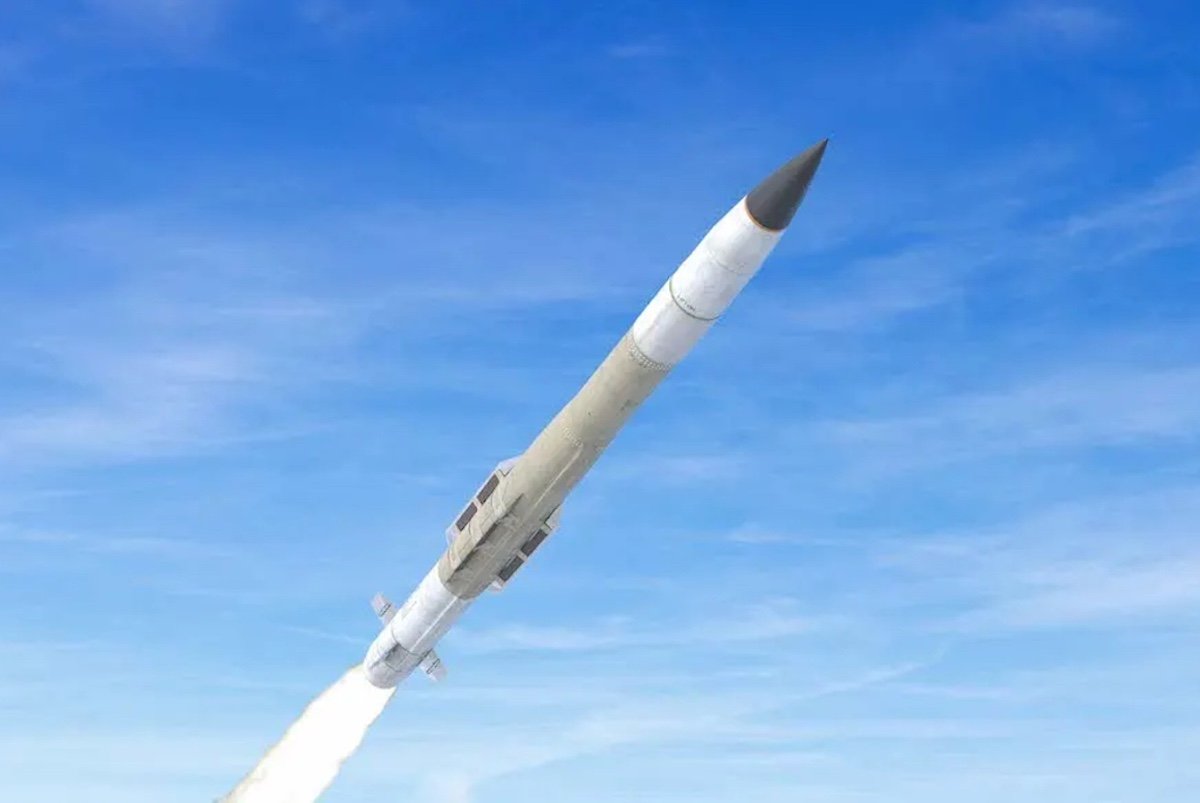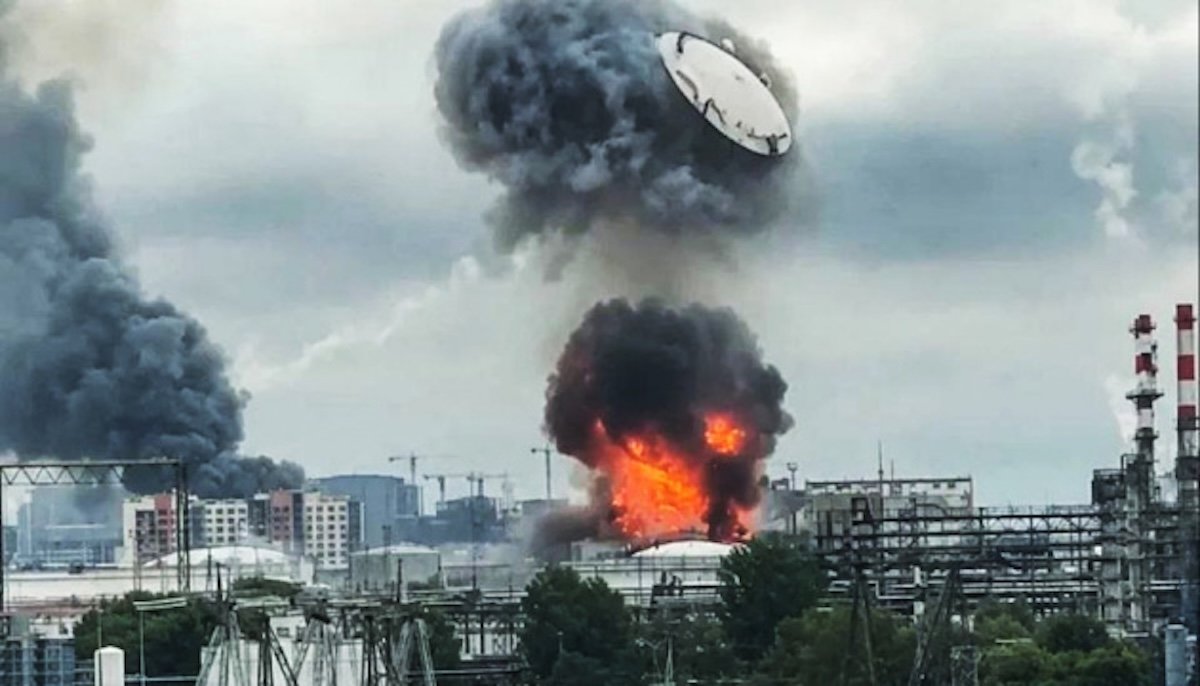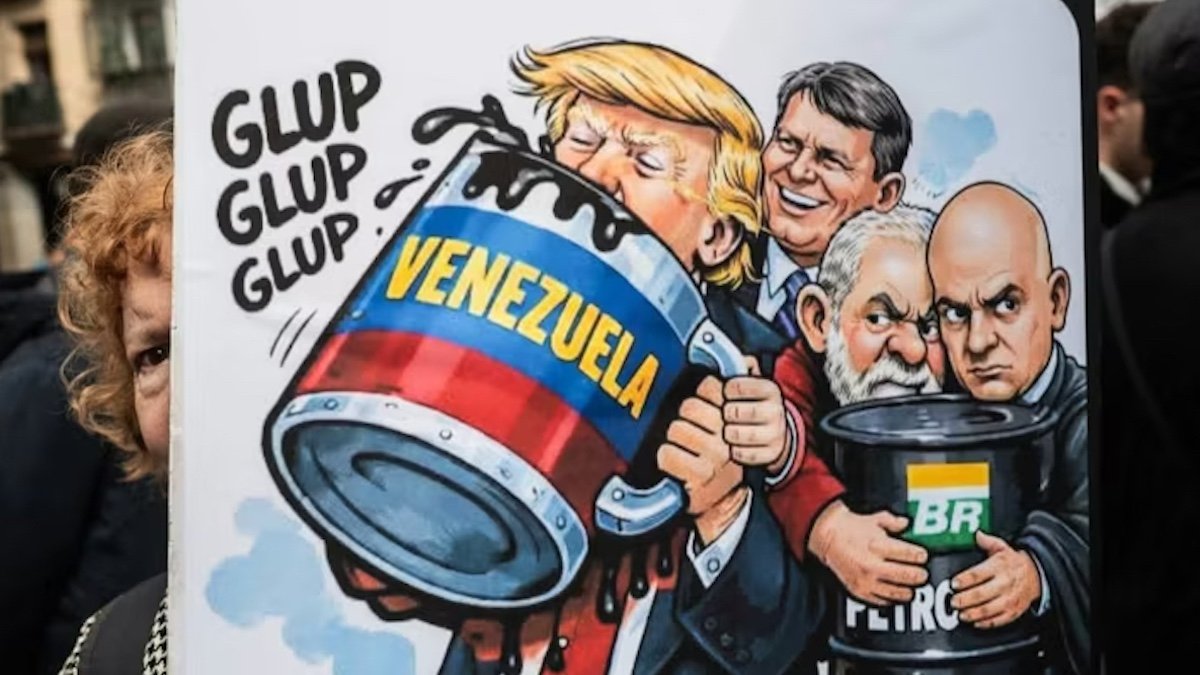
Earlier this week, the United States Department of War restored the US Indo-Pacific Command’s name to the US Pacific Command, reversing an eight-year-old title change and restoring operational clarity. The move comes amid a wave of commentary arguing that America lost the war in Iran—a narrative driven by outlets like The Atlantic, CNN, and Reuters, which highlight perceived concessions in the recent deal.
In Singapore, veteran foreign affairs analyst Ravi Velloor of The Straits Times argued that the chaos surrounding US conduct has handed China a strategic opening to deepen Gulf ties, expand its financial architecture, and present itself as a stable alternative to an unpredictable Washington. Velloor contends that the regional order America built since 1945 is shifting.
Yet a closer look at the strategic ground gained through Operation Epic Fury suggests the US is in a stronger position than the optics imply. Here are three reasons why.
1. The Iran Deal Is Structurally Superior to the JCPOA
Critics rightly note the deal’s 60-day framework leaves hard nuclear questions unresolved, and Iran’s IRNA agency claims no new concessions were made. But the proper benchmark is the 2015 JCPOA under President Barack Obama, which left Iran’s centrifuges intact, embedded sunset clauses, and allowed enrichment infrastructure to remain—followed by Iran reaching 60% enrichment capability and building a four-theater proxy network.
The White House reports that Operation Epic Fury struck more than 13,000 Iranian targets in 38 days, destroying Iran’s navy—every submarine sunk and 97% of naval mines cleared—and reducing ballistic missile attacks on US forces by 90% within 19 days. Under the new terms, roughly 900 pounds of highly enriched uranium must be destroyed, and nuclear facilities at Fordow, Natanz, and Isfahan are slated for permanent dismantlement under US-Israel oversight within 60 days.
Objectively, this leaves the US with a heavily degraded Iranian military, proxy network, and nuclear program—a far stronger position than the JCPOA achieved. Moreover, the Trump administration has tied this deal to expanding the Abraham Accords to Saudi Arabia, Qatar, Egypt, and Turkey, with a formal State Department strategy laid out in May 2026. If that expansion proceeds and Iran is drawn into a US-managed regional order, the Beijing-Moscow-Tehran axis anchored in the Shanghai Cooperation Organisation loses a key western pillar.
2. US-Led Security Architecture in Asia Has Strengthened
The reversion to USPACOM is a clear indicator of this trend. Japan has pledged kinetic defense commitments for Taiwan, while South Korea committed $150 billion to support American shipbuilding and defense industrial linkages. At the recent Shangri-La Dialogue in Singapore, US Secretary of War Pete Hegseth praised all ten key ASEAN partners for stepping up on burden-sharing.
Removing the “Indo” from the command name—added by former Defense Secretary James Mattis in 2018 as a symbolic nod to India—acknowledges that New Delhi has not become the co-manager Washington once hoped for. India hedged throughout Operation Epic Fury, continued buying Russian oil and S-400 systems, and deepened its BRICS+ engagement. Analysts at ASPI had flagged in late 2025 that the previous command structure lacked a dedicated theater-level warfighting headquarters, creating ambiguity. Reverting to USPACOM restores a clear focus on the Pacific theater, centers stabilization of the Taiwan Strait as a core mission, and ties that mission to treaty allies prepared to act as structural anchors.
This shift also underscores the broader trend of cost asymmetry reshaping warfare, as explored in our piece on the $20,000 drone vs. the superpower, where lower-cost systems challenge traditional military dominance.
3. China Did Not Play Its Iran Card as Expected
Singapore’s former Foreign Minister George Yeo, in an interview with Professor Kishore Mahbubani for the Asian Peace Program, disclosed that China has long linked its approach to Iran to the US approach to Taiwan: “They have an Iranian option—that if you really move on Taiwan, we’ll move on Iran.” Yet when Operation Epic Fury tested this theory, Beijing’s response was calibrated and rhetorical. Chinese Foreign Minister Wang Yi condemned the strikes, Beijing called for a UN Security Council ceasefire, and then nothing more.
This restraint suggests that China’s strategic calculus is more cautious than some analysts anticipated. The US, by contrast, has demonstrated a willingness to use force and secure tangible concessions, reinforcing its credibility in the region. As the US House votes to curb presidential war powers—a sign of domestic political friction—the administration’s ability to execute such operations remains intact, as noted in our report on the Republican rift over Iran war powers.
In sum, while the optics of the Iran deal suggest a US retreat, the strategic reality is more nuanced. The US has degraded Iran’s military and nuclear capabilities, strengthened its Pacific command, and seen China hesitate to escalate. The regional order is not shifting away from Washington; it is adapting to a more assertive American posture.