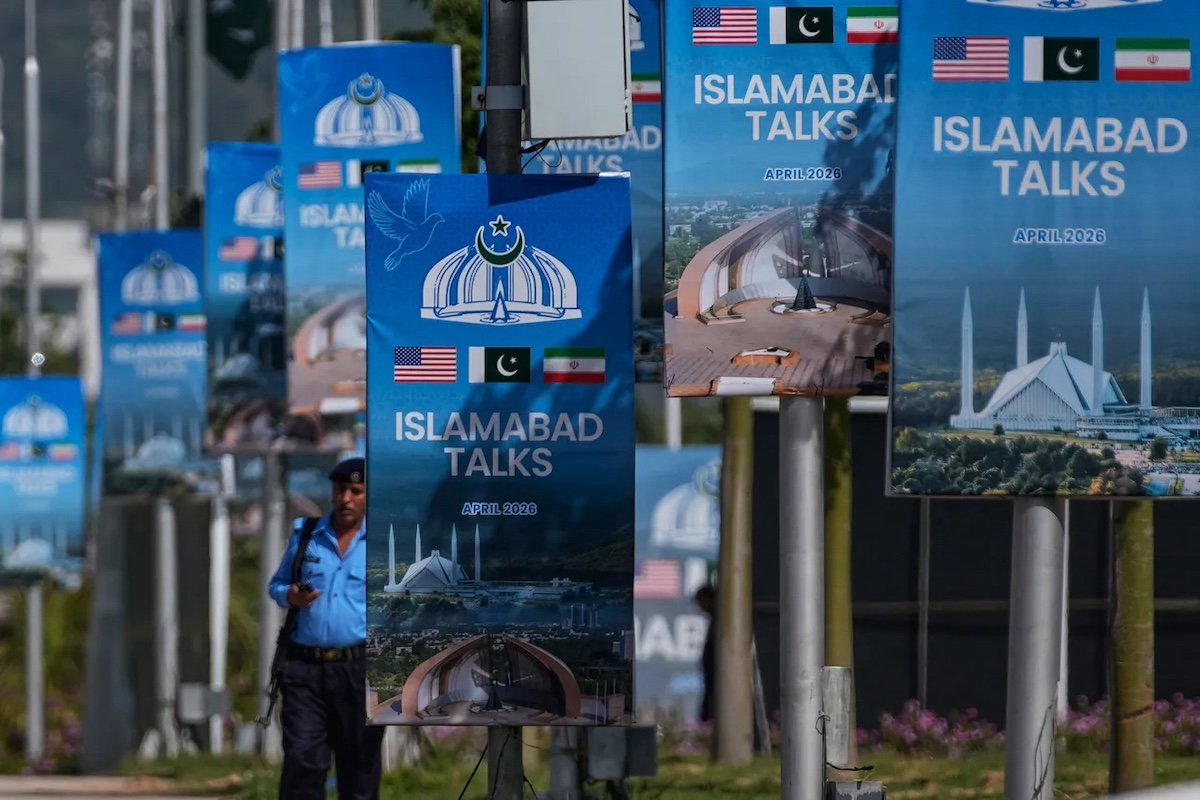
On June 19, 2026, a US-Iran ceasefire brokered by Pakistan Prime Minister Shehbaz Sharif was signed in Switzerland, ending a conflict that had disrupted global oil flows through the Strait of Hormuz. US President Donald Trump hailed the deal on Truth Social as a triumph, declaring the strait open and oil flowing again. Yet the agreement conspicuously sidesteps Iran's nuclear program, ballistic missiles, and regional proxies—deferring these core issues for 60 days.
As an international and nuclear security expert, I argue this ceasefire reveals a troubling pattern: the US has lost credibility as a negotiating partner, and the war achieved little beyond a costly return to the status quo.
The Nuclear Question Remains the Hardest
The rationalist theory of war, developed by political scientist James Fearon in 1995, identifies three drivers of conflict: incomplete information about each other's resolve, inability to credibly commit to a deal, and indivisibility—when a dispute cannot be split. The war settled the first: both sides now know what the other will endure. But it could not solve the nuclear commitment problem.
Iran adhered to the 2015 Joint Comprehensive Plan of Action (JCPOA), verified by the International Atomic Energy Agency to keep enrichment at 3.67% and stockpile under 300 kilograms. The US walked away in 2018, with Trump calling it "the worst deal ever." Iran returned to negotiations in 2025 and again in February 2026, only to be bombed by the US and Israel while talks were ongoing—killing Supreme Leader Ali Khamenei and lead negotiator Ali Larijani. This record of reneging means Iran now demands sanctions relief before signing, not just promises.
The indivisibility problem is stark: the US demands zero enrichment; Iran calls enrichment a sovereign right. The JCPOA split the difference with caps and inspections, but the current deal does not address enrichment at all. As Pakistan emerged as a key mediator, the framework agreement left the nuclear question to 60-day talks—a window for Tehran to test whether the US and Israel will hold the ceasefire on all fronts, including Lebanon.
A Ceasefire, Not a Nuclear Agreement
The June 19 deal ends fighting, reopens the Strait of Hormuz, and defers enrichment, stockpile, missiles, and proxies to negotiations. In a New York Times interview, Trump claimed Iran would suspend enrichment for 15–20 years for nonmilitary purposes, but no verification mechanism exists. Under the JCPOA, 97% of Iran's stockpile was shipped out; this deal lacks such measures. It is a ceasefire, not a nuclear agreement.
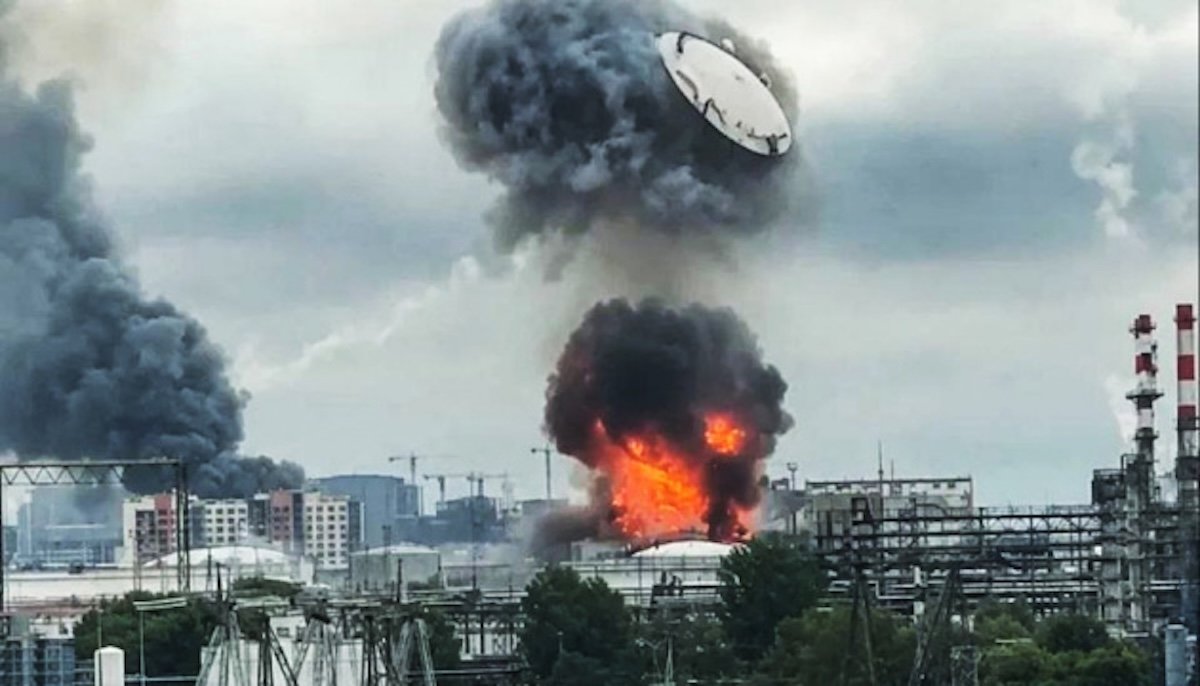
The war's cost is immense: lives lost, infrastructure destroyed, and global oil markets disrupted. Meanwhile, Trump's push to expand the Abraham Accords has further complicated peace efforts, as Israeli ministers have vowed to block any deal that leaves Iran's nuclear program intact. The 60-day deferral may prove a mirage, with Tehran watching for US commitment while Washington's credibility erodes.
For the Indo-Pacific, the implications are clear: a weakened US negotiating position could embolden other actors, from North Korea to China, to test Washington's resolve. The region's stability depends on credible commitments—something this deal has yet to provide.