The National Iranian American Council (NIAC), a prominent advocacy group for Iranian Americans, has formally urged the Trump administration to rescind recent sanctions policies that it says are preventing Iranian students from accessing critical educational testing services. In a letter sent Monday to Treasury Secretary Scott Bessent and Secretary of State Marco Rubio, the group warned that the suspension of long-standing general licenses is causing "escalating harm" to educational opportunities for Iranians.
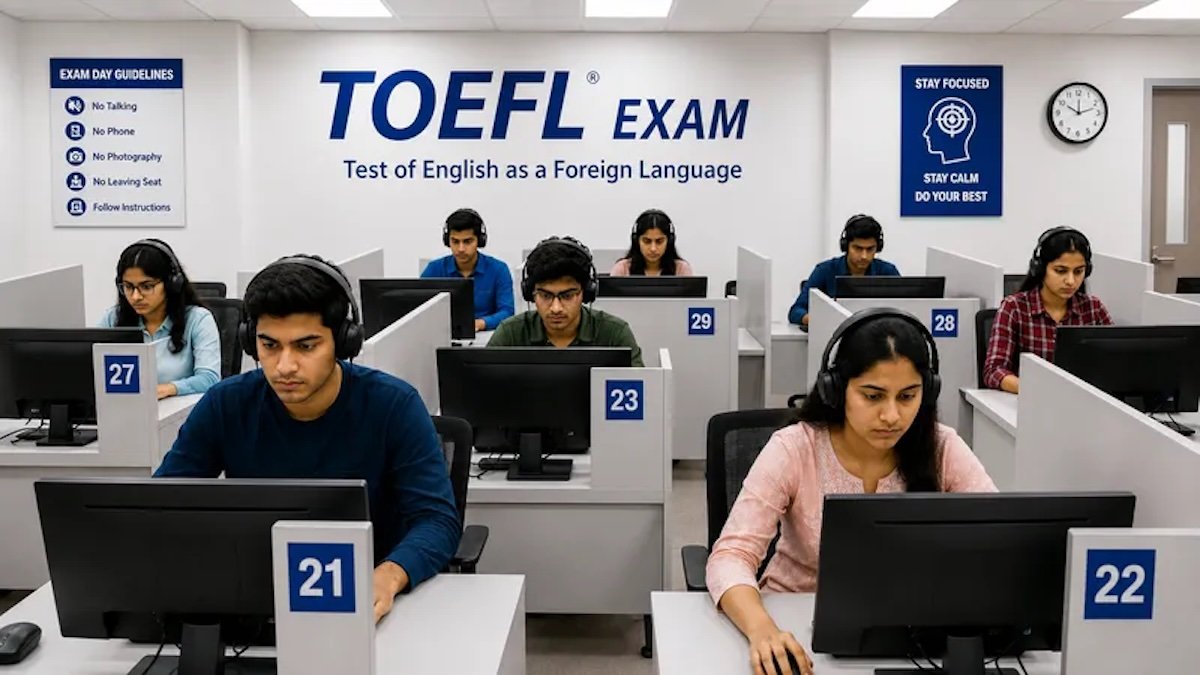
The appeal follows reports that the Educational Testing Service (ETS), which administers the TOEFL and GRE exams, has halted testing in Iran. The Duolingo English Test, widely used for university admissions, has also become unavailable to Iranian students. These tests are essential for Iranians seeking admission to universities in the United States and other English-speaking countries.
NIAC president Jamal Abdi argued that the new sanctions, branded "Operation Economic Outcast," are aimed at the Iranian government's restrictions on the Strait of Hormuz but have "no conceivable impact on the Iranian government." Instead, he said, the measures are already hurting American educational institutions and Iranian students, who are now barred from taking exams required for academic study in the US.
Educational exemptions under threat
The group is calling on the administration to reinstate 31 CFR § 560.544, which authorizes certain educational activities by US persons in third countries, and Iran General License G, which permits educational exchanges. Abdi emphasized that these exemptions were originally established over a decade ago to prevent sanctions from inadvertently cutting off ordinary Iranians from academic opportunities.
"For years, Iran was among the nations with the highest demand for TOEFL examinations," Abdi wrote. "Regrettably, the severing of these key global educational testing platforms will create major hurdles for Iranian nationals pursuing international education."
The policy changes leave Iranian students facing what NIAC describes as "overlapping barriers" to studying in the US: a travel ban preventing Iranians from obtaining visas, combined with sanctions that restrict access to English proficiency exams and enrollment in American universities.
Abdi was blunt about the rationale behind the measures. "There is no world in which the US preventing young Iranians from taking English proficiency tests leads to the opening of the Strait of Hormuz," he said. "The Trump administration would be wise to bolster the limited educational, humanitarian, and cultural channels that exist between ordinary Iranians and the United States, rather than send a message that the US is at war with the Iranian people."
The sanctions have also disrupted other people-to-people ties. NIAC urged the administration to reverse the suspension of licenses that allow Iranian Americans to send remittances to family members in Iran, as well as those permitting sports exchanges between the two countries. Abdi warned that the sports suspension "carries significant risk of complicating the 2028 Olympic Games in Los Angeles and reflects poorly on the US as a host nation while yielding no discernible benefit."
The broader impact of these sanctions extends beyond Iran's borders. As China gets caught in the US economic squeeze on Iran, the measures are also affecting global educational mobility. The disruption to testing services is likely to push more Iranian students toward alternative destinations, a trend already visible among Chinese students shunning US campuses as global enrollment patterns shift.
NIAC's letter comes amid broader criticism of the administration's Iran policy. Some analysts argue that the sanctions are right but the sequencing is wrong, while others point to the limits of US military might in dealing with Tehran. The administration's approach has also drawn mockery over an AI-generated video depicting a bombing of Iran, which critics say trivializes the stakes.
Abdi concluded that the suspension of exemptions has turned what were once unintended consequences into deliberate policy. "Now, it appears that these have become very much intended consequences aimed at the Iranian people," he said. "There is absolutely no justification for this."