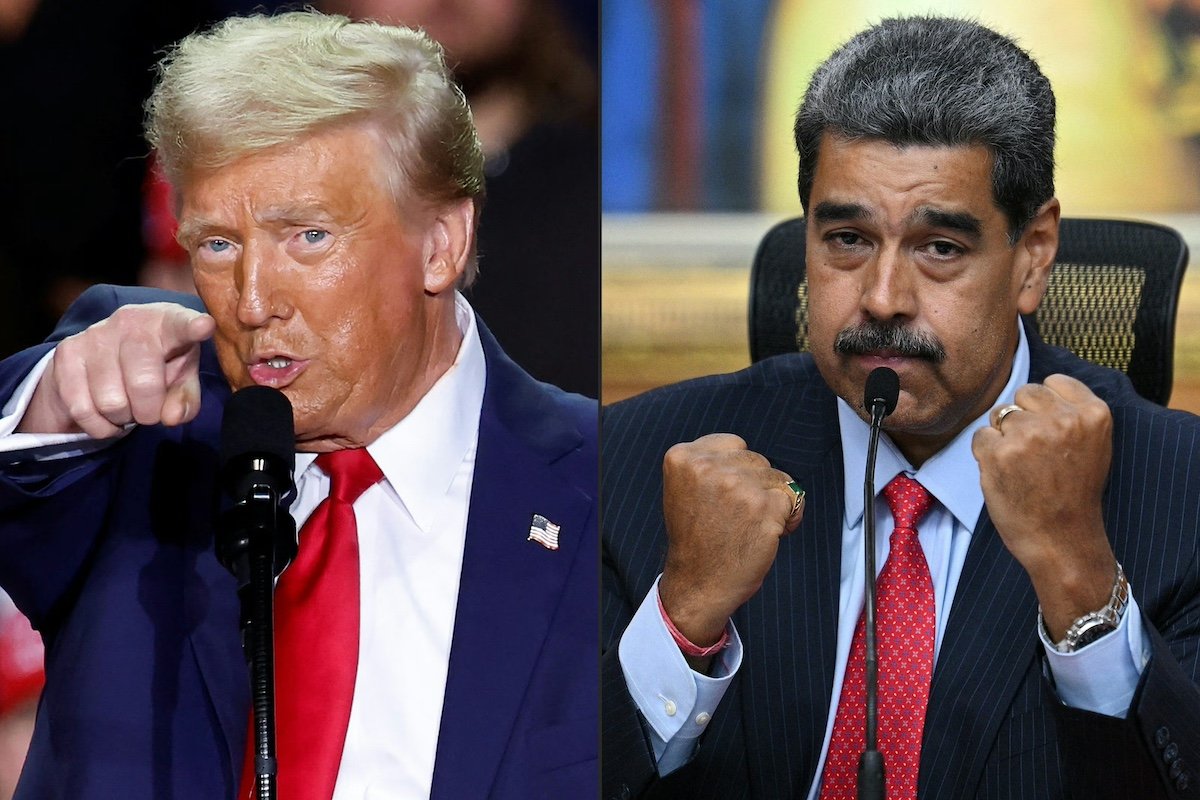
The US Justice Department announced the arrest of Master Sergeant Gannon Ken Van Dyke, an active-duty US Army special forces soldier, on charges of using classified information to profit from bets on the Trump administration's operation to abduct Venezuelan President Nicolás Maduro earlier this year. Van Dyke, who was involved in planning and executing the January operation, allegedly pocketed over $400,000 through 13 bets on the prediction platform Polymarket.
According to the Justice Department's statement on Thursday, Van Dyke placed bets worth roughly $33,000, all taking the "yes" position on questions about whether US forces would invade Venezuela and remove Maduro before the end of January. He faces charges including unlawful use of confidential government information for personal gain, theft of nonpublic government information, commodities fraud, wire fraud, and making an unlawful monetary transaction.
Insider Trading Concerns in the Trump Administration
The case has reignited debates about corruption and insider trading within the Trump administration, which experts and watchdogs have described as the most brazenly corrupt in US history. President Donald Trump, who has profited massively from his second term, told reporters on Thursday he was unaware of the charges. He then asked, "Was he betting that they would get [Maduro] or they wouldn't get him?" and compared the situation to baseball legend Pete Rose, who was banned for gambling on games.
Representative Raja Krishnamoorthi (D-Ill.) commented, "This soldier was probably just copying what he's seeing elsewhere. The culture of insider trading and corruption starts at the top and is permeating everywhere and everything. This is what people hate about our government now."
Brian Finucane, senior adviser to the US Program at the International Crisis Group, highlighted the irony: "I hear someone was arrested in connection with the patently illegal invasion of Venezuela. Can't wait to see who is going to be held accountable for this lawless use of military force."
The Van Dyke indictment comes amid broader concerns about insider trading in the Trump administration. Last month, the Financial Times reported that Pentagon Secretary Pete Hegseth's broker attempted a multimillion-dollar investment in weapons stocks before the US-Israeli attack on Iran. Senator Chris Murphy (D-Conn.), lead sponsor of legislation to prohibit wagering on government actions, terrorism, war, and assassination, said, "The Iran War has become a corruption racket for the people close to President Trump."
This story has implications for the Indo-Pacific region, where the US military's actions and potential insider trading could affect strategic stability. The US Navy's drone swarm strategy, for instance, represents a high-stakes bet against China in the Indo-Pacific, as explored in our analysis. Similarly, the Trump administration's approach to Iran, as discussed in this piece, has direct consequences for regional security.
The case also raises questions about the use of prediction markets like Polymarket, which allow betting on geopolitical events. Such platforms can be exploited by insiders with access to classified information, undermining trust in both financial markets and government operations. As the investigation unfolds, it remains to be seen whether the charges against Van Dyke will lead to broader reforms or accountability for those at the top.



