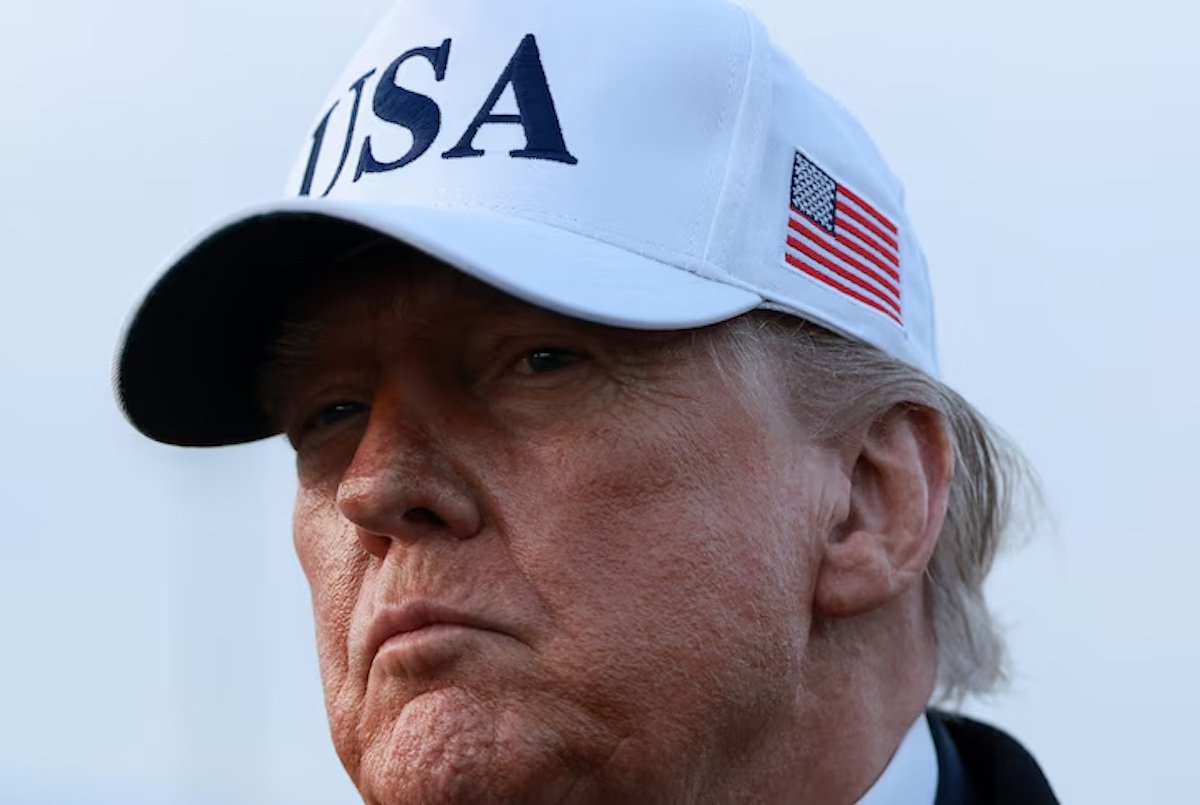
In Alice in Wonderland, the King of Hearts advises: “Begin at the beginning and go on till you come to the end; then stop.” US President Donald Trump would do well to heed this counsel regarding Iran. His decision to halt Operation Epic Fury after just two weeks of strikes, believing Tehran would rush to negotiate, was premature. Admiral Brad Cooper, commander of US Central Command, reportedly needed another 14 days to complete the target list. That unfinished work has left the Iranian regime bruised but not broken.
The Strait of Hormuz: A Gordian Knot
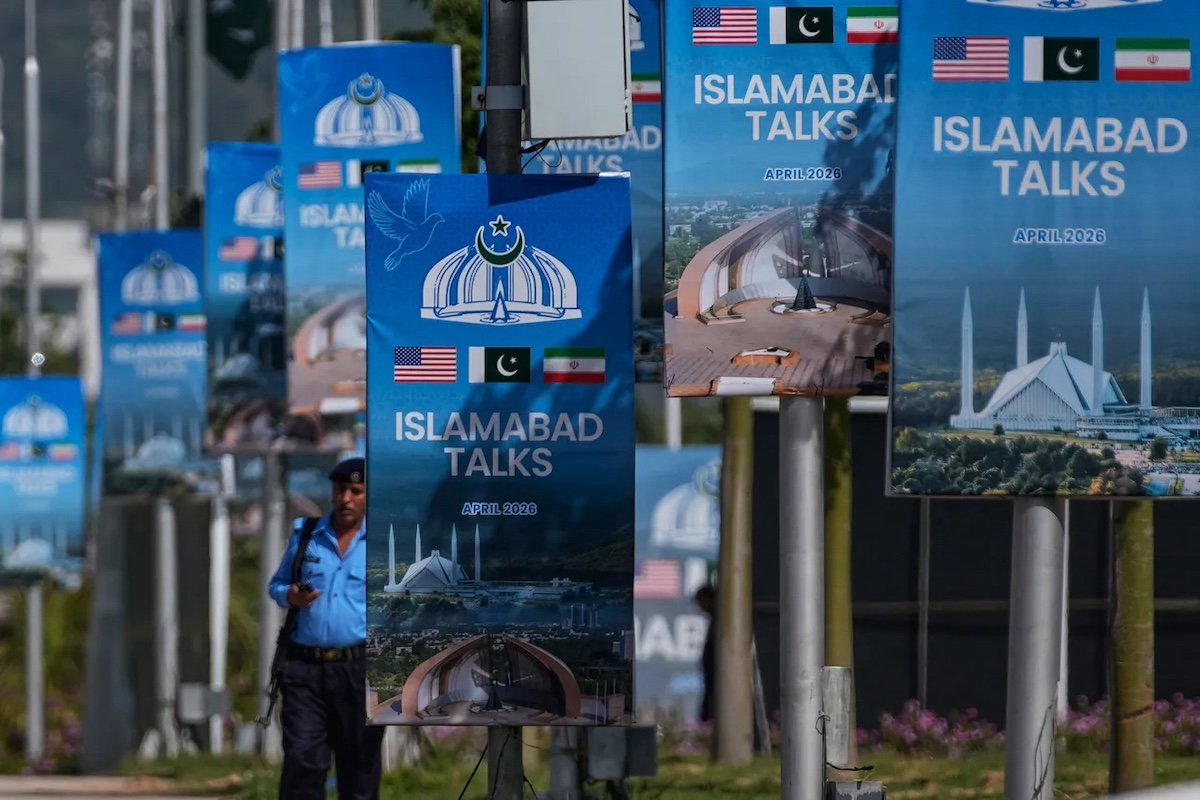
The so-called ceasefire is largely nominal. Both sides continue hostilities through dueling blockades in the Strait of Hormuz, a chokepoint for global oil shipments. These blockades have damaged cargo ships and stalled diplomacy. Iran refused to attend talks in Islamabad, and Pakistan had to beg Trump for an extension. The president has called the ceasefire “indefinite” while simultaneously threatening to resume bombing—a contradiction that undermines any leverage.
The Strait has become the central sticking point. Iran sees blocking it as a source of leverage and revenue, while Trump insists on free passage for all nations. Other issues—such as Iran’s undeclared nuclear ambitions and enriched uranium stockpile—may still be negotiable, but the Strait is the Gordian Knot that only decisive action can cut.
Economic Pressure on Iran, But Not on Its Rulers
The blockade has devastated Iran’s economy. As a major oil exporter, Iran cannot ship its fuel; storage capacity is nearly full, and wells may soon need to be shut, risking long-term damage. The regime relies on oil revenue to import petrol and diesel due to limited refining capacity. Without these imports, Iran faces a crisis reminiscent of Cuba—but Cuba is not at war, and its people have endured hardship for decades. Iran’s population, already restive from severe economic turmoil, may soon face fuel and electricity shortages that could trigger unrest.
However, the pain is not evenly distributed. Half of Iran’s oil earnings go to the Islamic Revolutionary Guard Corps (IRGC), which funds its own salaries, equipment, and proxies like Hezbollah, Hamas, and the Houthis through the Quds Force. The regime prioritizes missiles, drones, and uranium enrichment over the welfare of its people. As Trump Extends Iran Ceasefire, Maintains Naval Blockade Amid Regional Tensions notes, the blockade alone will not topple the theocracy—it only punishes civilians.
Why Half-Measures Fail
History shows that oppressive regimes can survive popular suffering. The Pol Pot regime in Cambodia lasted four years despite causing the deaths of a vast majority of Cambodians; only a Vietnamese invasion ended it. North Korea and Cuba have persisted for decades under severe hardship. Iran’s theocracy, backed by the IRGC and Basij militias, will not collapse from economic pressure alone. As Trump's Iran Campaign: A Pyrrhic Victory in the Making? argues, a sustained blockade must be coupled with destruction of the regime’s security apparatus to create conditions for internal collapse.
The US and Israel must finish what they started. Leaving the task incomplete—compromising with authoritarian theocrats—will embolden Iran. Its slogans of “Death to America, Death to Israel” are not empty rhetoric but strategic goals. Even without nuclear weapons, Iran has declared its intent to harm the US, Israel, and Europe. A surviving regime will only become a bigger bully to its neighbors, many of which are Sunni-majority states already targeted by Iranian proxies.
As Hormuz Blockade Raises Stakes Ahead of Trump-Xi Summit highlights, the blockade has global implications. The US, as a major oil supplier, benefits from disrupted traffic, but the cost to international stability is high. NATO allies have rejected the blockade, and oil prices have surged past $100. Yet, for the US and Israel, the alternative—a nuclear-capable Iran that controls the Strait—is far worse.
The path forward is clear: resume the campaign to dismantle the regime’s military and economic power. Only then can the Iranian people have a chance at freedom, and the region at peace. Half-measures will only delay the inevitable confrontation.