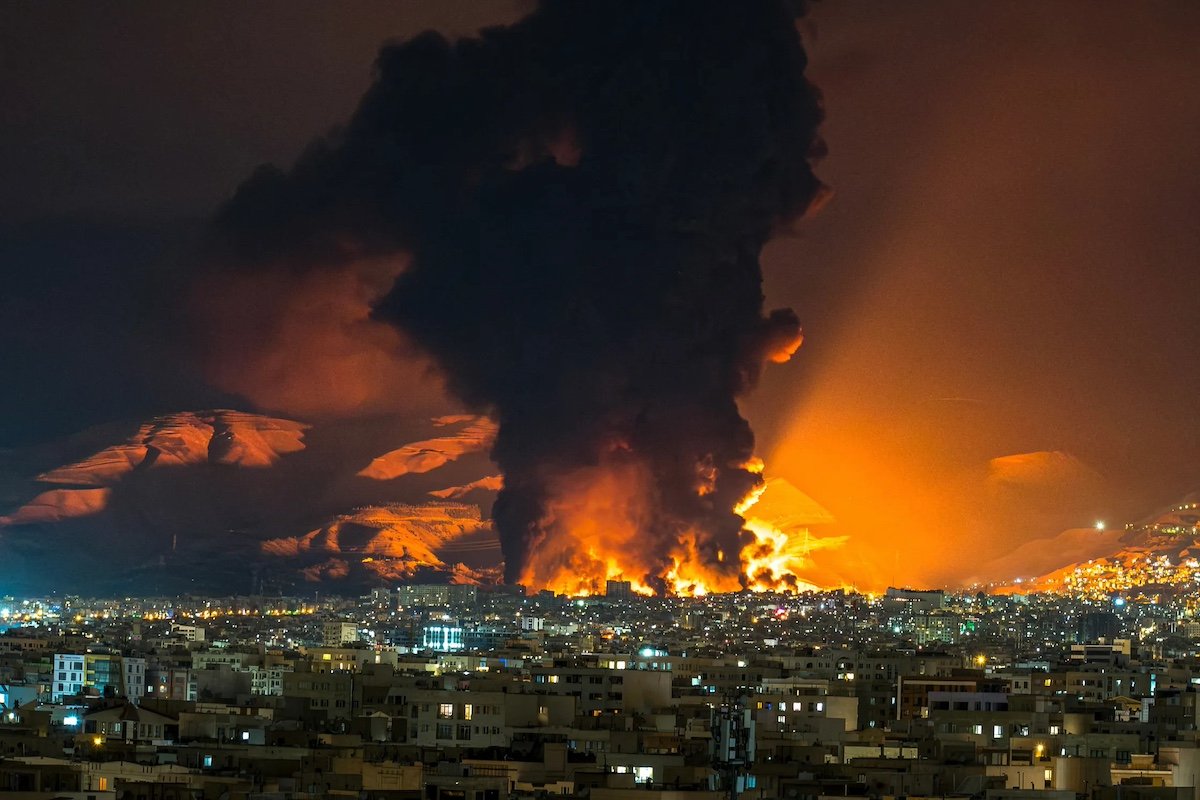
Two months into the Trump administration's military campaign in Iran, the conflict has yielded thousands of civilian deaths, soaring gasoline prices above $4 per gallon, and tens of billions of dollars in taxpayer expenditure. This latest engagement adds to a decades-long pattern of US-led warfare that has exacted an enormous human and financial toll, according to a comprehensive analysis released this week by Al Jazeera.
The analysis, drawing on data from the open-source WarCosts archive maintained by TheDataProject.AI, estimates that major US military operations since 1950—in Korea, Vietnam, Iraq, and Afghanistan—have directly caused the deaths of nearly 4.5 million civilians and cost more than $5.7 trillion. These figures are drawn from government reports, peer-reviewed academic research, and investigative organizations.
The civilian casualty count is limited to deaths directly caused by combat operations. It excludes those resulting from secondary effects such as food shortages, disrupted healthcare, or war-related diseases. Nor does it account for lives lost in US-funded proxy conflicts, including Saudi Arabia's war in Yemen, which saw an estimated 150,000 violent civilian deaths between 2015 and 2022, or Israel's ongoing military campaign in Gaza, which has killed at least 75,000 people, with the true toll likely far higher.
The financial cost also omits an additional $2.2 trillion that the United States is projected to spend on post-9/11 war veterans' care through 2050, as documented by Brown University's Costs of War research series. Even by these conservative metrics, the cumulative expenditure could have funded a century of free public college for every American, 400 years of clean drinking water for the global population, or more than 200 years of universal pre-kindergarten for all children.
The Iran War: Unprecedented Daily Costs
The Iran War stands out even among these staggering totals. The Pentagon estimated that during the first six days of the conflict, the US government spent an average of $1.88 billion per day—nearly three times the daily cost of the next most expensive major conflict, the Iraq War. Pentagon comptroller Jules Hurst told Congress on Wednesday that the Iran War had cost approximately $25 billion in total over two months. However, critics including Representative Ro Khanna (D-Calif.) have called that figure "totally off," suggesting the real cost is much higher.
Stephen Semmler, a data analyst and senior fellow at the Center for International Policy, estimated based on official statements, federal procurement data, and military deployment reports that by March 13—just two weeks into the conflict—the war had already cost about $28.7 billion, or over $2.1 billion per day. His analysis included operational costs, weapons expenditures, damage to US military assets, and subsidies to Israel. The Trump administration has reportedly requested an additional $200 billion in military funding from Congress for the campaign.
The human cost is equally stark. The US-based Human Rights Activists News Agency reported 1,701 civilian deaths during the first 40 days of the Iran War, equivalent to about 43 per day—nearly double the daily death rate in Afghanistan. This pattern of high-intensity conflict echoes historical precedents of imperial overreach, as explored in our analysis of Trump's Iran Campaign Echoes Historical Imperial Overreach.
Unprecedented Public Disapproval
What distinguishes the Iran War from previous US military adventures is its extraordinary unpopularity. At the outset, polls showed 43% of Americans disapproved of Trump's decision to launch the war. By April 12, disapproval had jumped to 60%. With the exception of the Korean War—which began deeply unpopular and gained approval over time—no other major US conflict has started with so little public backing. Only 9% disapproved of the Afghanistan War at its start, 23% disapproved of Iraq, and 24% disapproved of Vietnam; it took years for majorities to turn against those conflicts.
The financial trajectory of the Iran War also raises concerns about long-term sustainability. Citing a recent expert estimate that the conflict could cost $1 trillion if it continues for a decade, Senator Bernie Sanders (I-Vt.) lamented on social media that "somehow, there is always money for war, but never enough money for housing, education, or the needs of working people." He added, "We must and will change our national priorities."
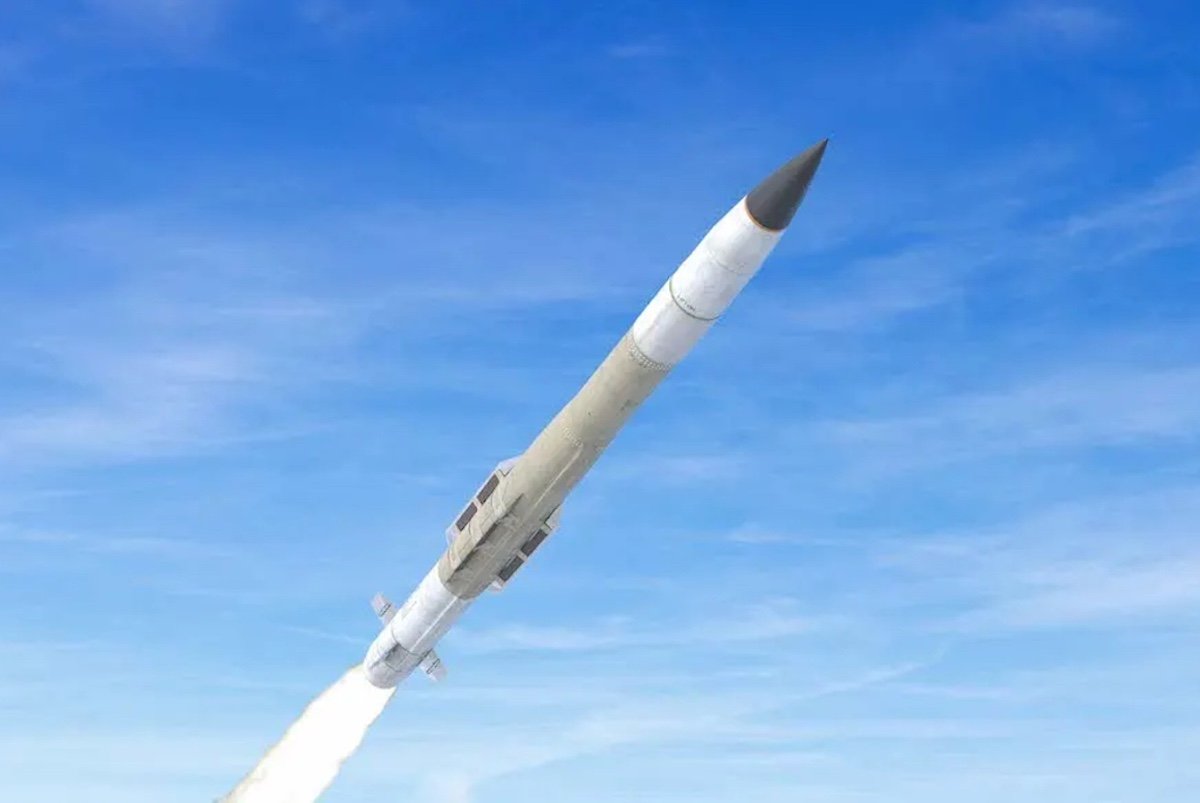
For Asian readers, these developments carry significant implications. The US military's costly dilemma of deploying million-dollar missiles against cheap Iranian drones, as detailed in US Military's Costly Dilemma: Million-Dollar Missiles vs. Iran's Cheap Drones, underscores the asymmetric challenges facing modern warfare. Meanwhile, the broader strategic calculus behind Trump's foreign policy, which some analysts describe as a calculated push for a bipolar order, is examined in Trump's Erratic Foreign Policy Masks a Calculated Push for Bipolar Order. As the Iran War continues, its costs—both human and financial—will likely reshape debates about military spending and global security for years to come.