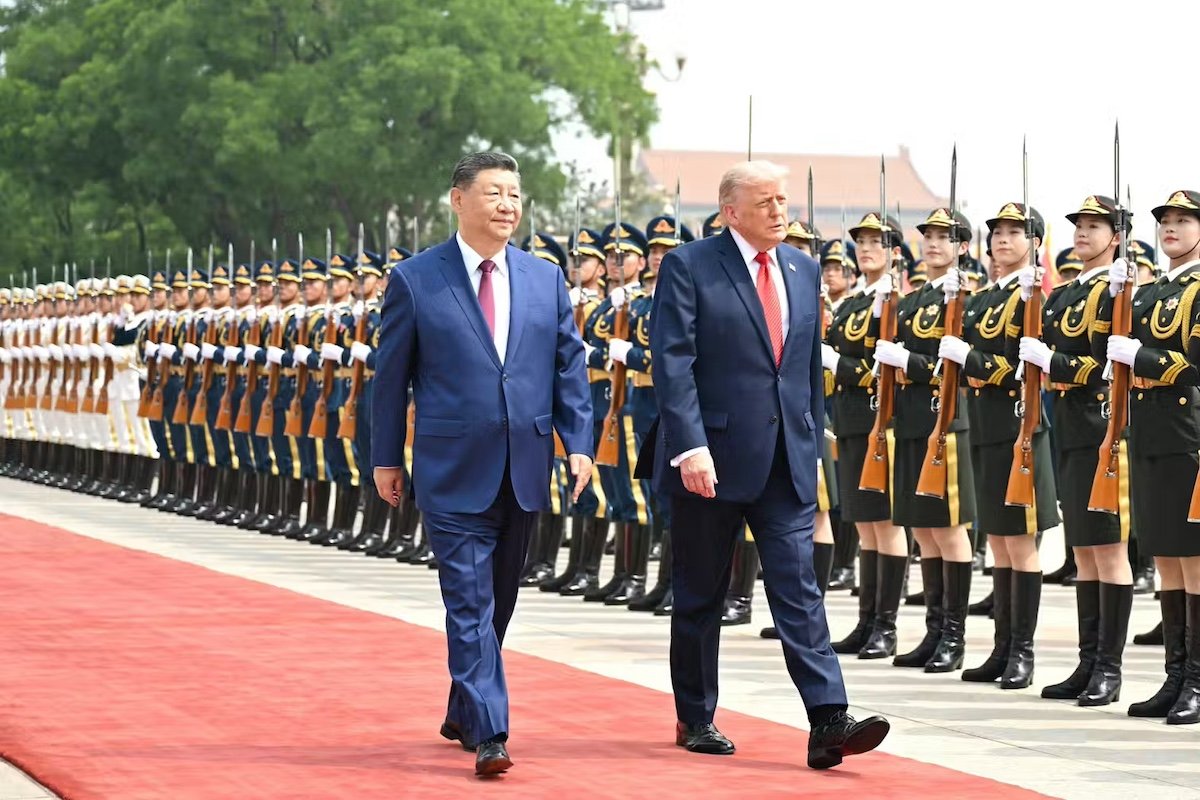
When US President Donald Trump arrives in Beijing on May 14 for his summit with Chinese President Xi Jinping, Beijing will highlight its 2025 GDP growth target of 5%. This figure is presented as proof of economic resilience. But a more revealing metric—the Incremental Capital Output Ratio (ICOR)—tells a different story.
ICOR measures how much additional investment is needed to produce one extra unit of economic output. A low ICOR signals efficient capital use; a rising one indicates waste—investment in projects that fail to generate returns, supply that exceeds demand, and surpluses dumped abroad. China's ICOR is climbing sharply.
Calculated as gross capital formation as a share of GDP divided by real GDP growth, China's ICOR averaged about 3.9 during its high-growth years from 2000 to 2007. For context, South Korea and Taiwan posted ICORs of 3.2 and 2.7, respectively, during their own rapid development—suggesting China was already less efficient at converting investment into growth even at its peak.
From Stimulus to Structural Decline
After China's 2008 stimulus, the ICOR rose from roughly 4.5 to 7.2 by 2019—nearly double the pre-crisis level. The easy gains from coastal manufacturing, infrastructure connecting underdeveloped regions, and rural-to-urban migration were largely exhausted. Since 2020, the trend has worsened. Using official GDP figures, China's annual ICOR now stands at about 8.5, approaching 9 on a five-year rolling average.
However, independent estimates from the Rhodium Group, a US-based research firm, peg China's 2025 growth at 2.5–3%. At that rate, the implied ICOR jumps to between 14 and 17. Even the most generous reading of official data shows an economy that is rapidly becoming less productive, sustained by subsidized credit.
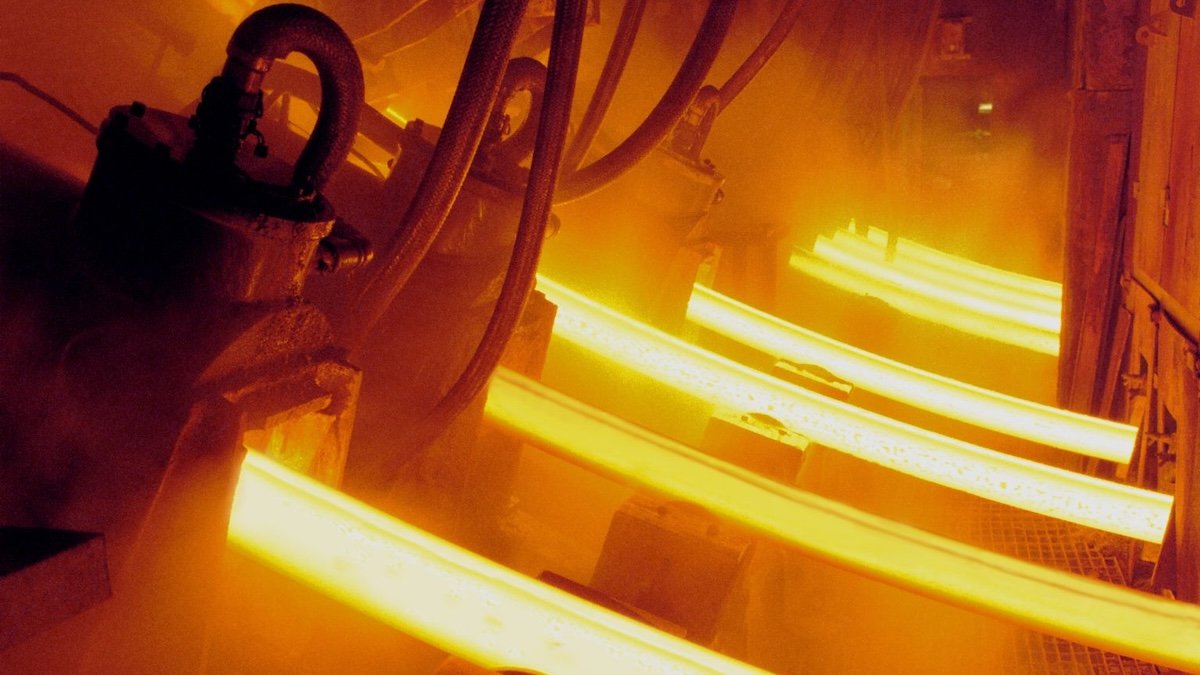
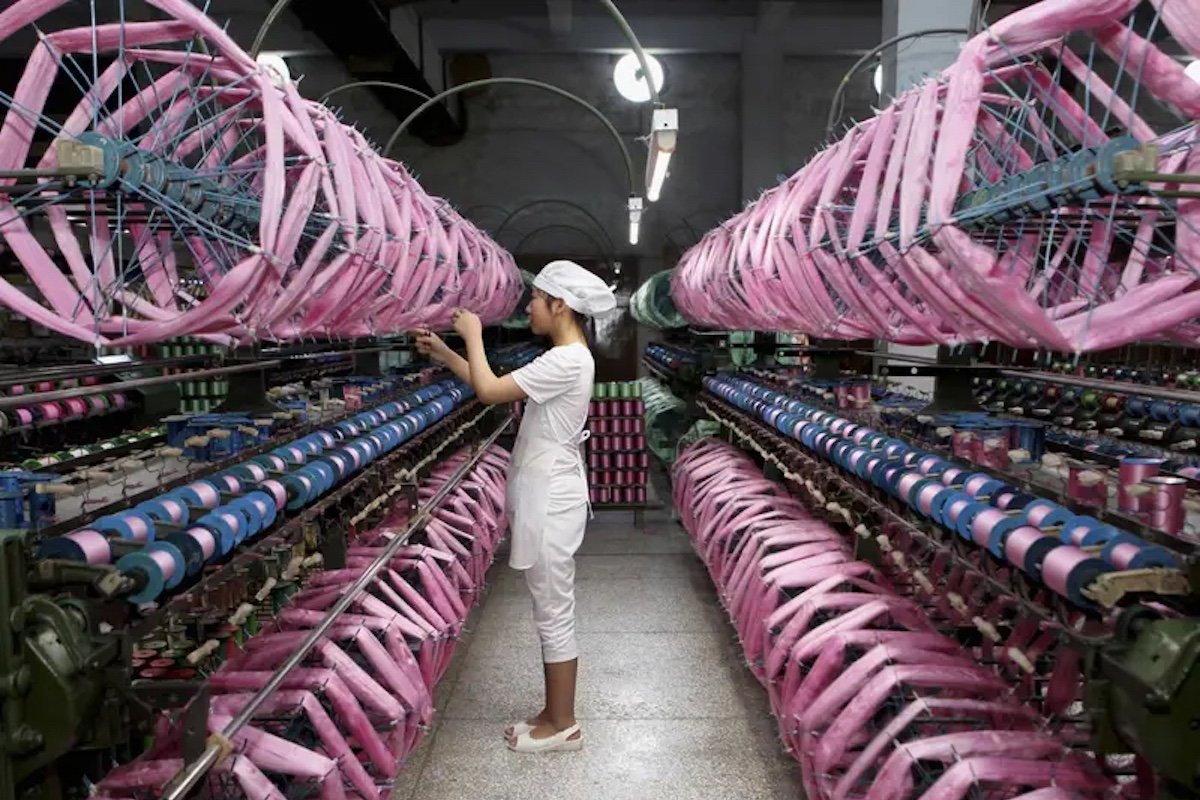
Beijing consistently hits its GDP targets—often with suspicious precision—by treating GDP as a target to be achieved through credit allocation rather than a measure of output. State-owned enterprises, local government financing vehicles, and politically connected developers borrow at below-market rates and invest in projects that would fail any commercial return test. The result: more investment goes into producing goods Chinese consumers do not want. To offload the surplus, Beijing exports at below cost, effectively transferring losses from misallocated investment onto trading partners.
This dynamic has direct implications for the Trump-Xi summit. The standard narrative frames US-China trade relations as a contest between a resilient China and a declining US. But the ICOR data complicates that picture. The US has maintained a relatively stable ICOR over two decades, reflecting proportional investment and growth. China, by contrast, requires ever more investment for each yuan of additional GDP—a sign of structural weakness, not strength.
China is structurally dependent on continued credit expansion and export revenues to service its debt and maintain political legitimacy. As Trump's tariffs and export controls reshape US-China economic ties, these tools can directly pressure the mechanisms Beijing uses to manage domestic stability. The most effective US response, however, is not unilateral tariffs but a coordinated multilateral framework that targets China's subsidized overproduction at its source. The rest of the world is absorbing the same flood of underpriced Chinese exports, and a united front would apply far more durable pressure.
None of this means China is about to collapse. Its system has shown a remarkable capacity for managed deterioration—hiding losses, extending timelines, and rolling problems forward. But managed deterioration is not strength. Beijing will celebrate its 5% target, but the number to watch is the one it does not mention: the rising cost of producing that growth.