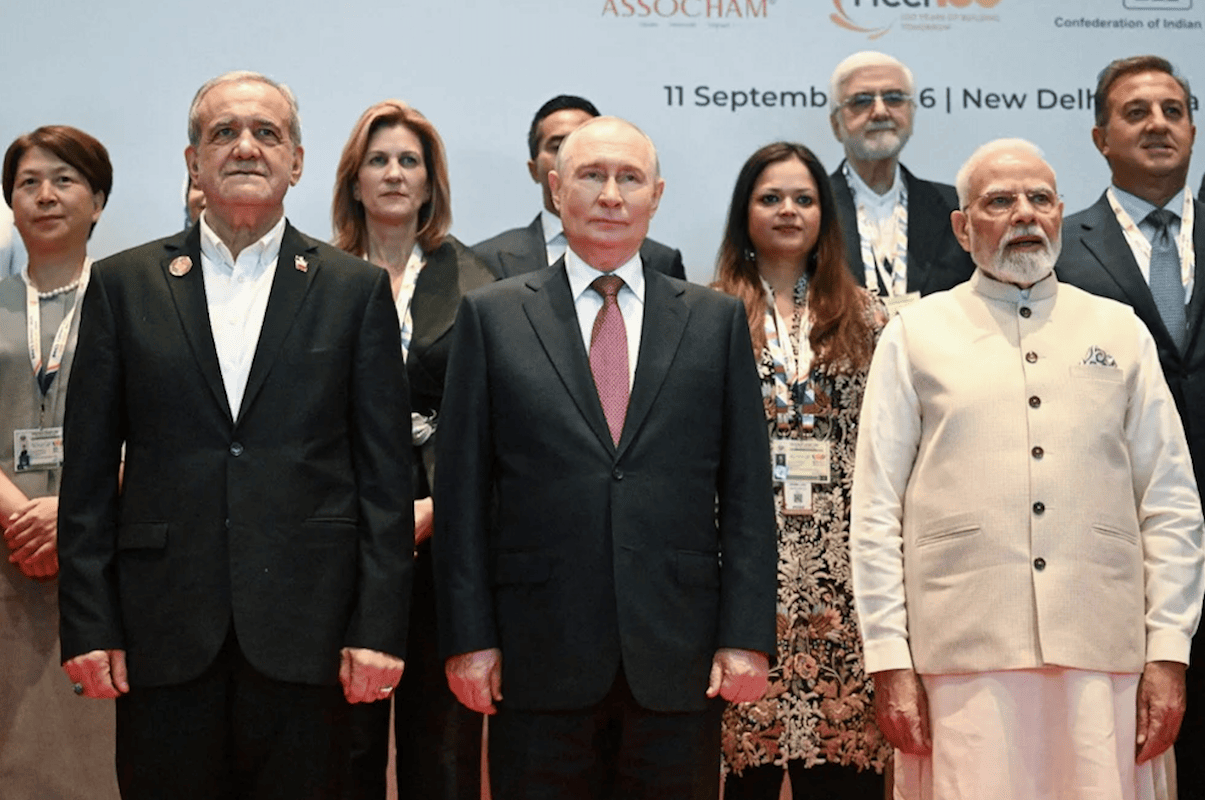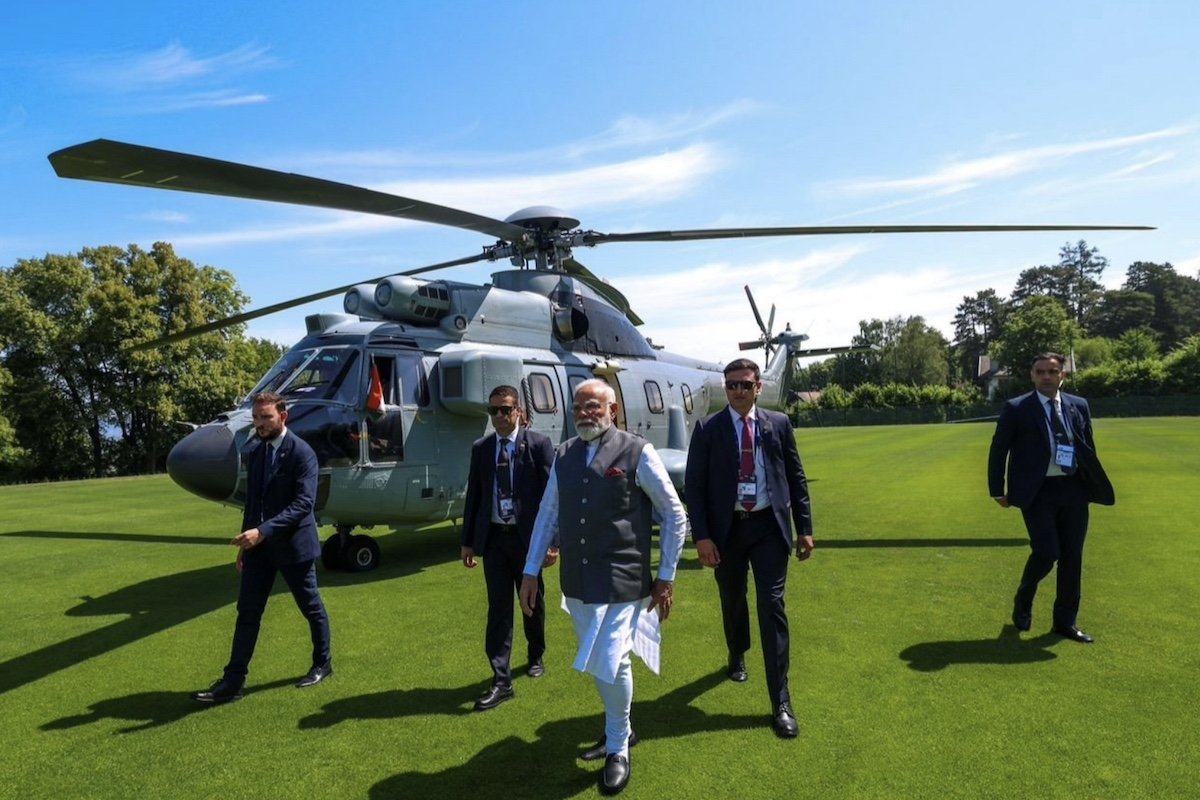
When Prime Minister Narendra Modi sits down at the 2026 G7 summit in Evian, France, it will mark India's 13th appearance as a guest nation and Modi's seventh since 2019. The repeated invitations reflect a simple truth: the G7 needs India more than India needs the G7.
Since France first invited India in 2003, New Delhi has become a fixture at the table of the world's most exclusive club of advanced industrial democracies. Yet India remains outside the formal membership. This paradox raises two questions: Why is India a consistent invitee? And if its importance as a large democracy and fast-growing economy is acknowledged, why does it stay outside?
The answer lies in the changing balance of global power. The G7, formed in 1975 amid oil shocks and Western economic dominance, now represents a world that no longer exists. The center of economic gravity has shifted to Asia, especially the Indo-Pacific. Emerging economies account for a growing share of global GDP, trade, and innovation. The G7's share of global output has shrunk, while platforms like the G20 and BRICS have become more representative.
India's unique position amplifies its leverage. It is simultaneously a rising power, a developing country speaking for the Global South, and a stakeholder in the existing international order. During its G20 presidency in 2023, New Delhi demonstrated its ability to articulate concerns on development finance, food security, climate justice, and institutional reform in ways that resonate across the developing world. As the 2026 BRICS president, India will further cement that role.
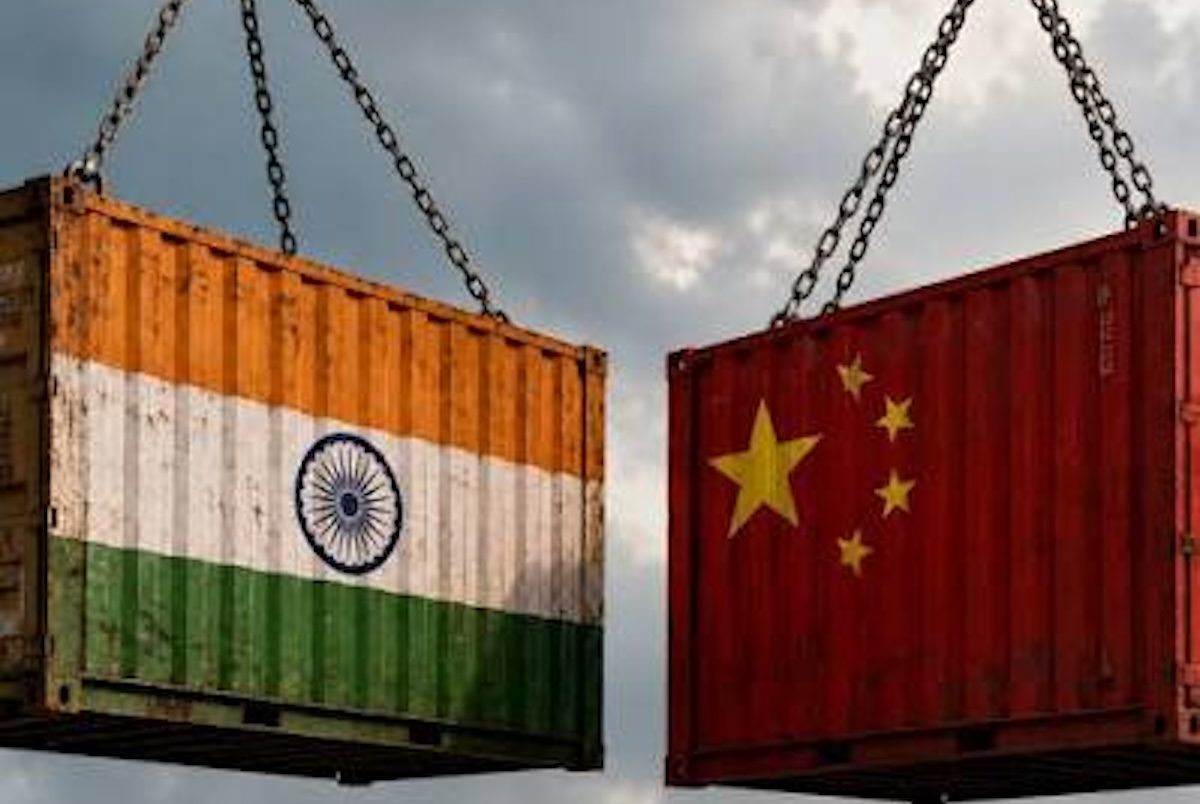
The contrast with China is instructive. Despite being the world's second-largest economy, Beijing is not a regular G7 invitee. Relations remain strained over strategic rivalry, economic coercion, and assertiveness in the South China Sea. India, by contrast, is seen as a benign power that supports a rules-based order while maintaining strategic autonomy. Its robust democracy, liberal economy, and expanding security cooperation with the West make it a more acceptable partner.
Yet the significance of potential G7 membership is often overstated. India already engages deeply with all G7 members through bilateral, minilateral, and multilateral frameworks. The United States, Japan, France, Germany, and Canada hold important positions in India's diplomatic and economic landscape. As US-India ties show, these relationships do not depend on G7 membership.
Moreover, the G7 is not a formal organization. It lacks a treaty basis, permanent secretariat, or enforcement mechanisms. It functions as an annual consultative forum. For India, participation offers access and influence, not binding obligations. New Delhi's strategic partnerships, trade deals, and defense collaborations—such as the Rafale fighter jet deal with France or joint naval exercises—are far more consequential than any G7 seat.
The 2026 summit's French hosting underscores the deepening Indo-French partnership. President Emmanuel Macron's visit to India for the AI Impact Summit, the launch of Bharat Innovates in France, and the India-France Year of Innovation highlight convergence in AI, defense, civil nuclear cooperation, space, and Indo-Pacific strategy. Yet the reasons go beyond bilateral ties. India's voice as a Global South representative is indispensable for any forum claiming global relevance.
In a world where the G7's ability to shape outcomes unilaterally has declined, India's inclusion is not a favor—it is a necessity. New Delhi holds the cards, and it knows it.