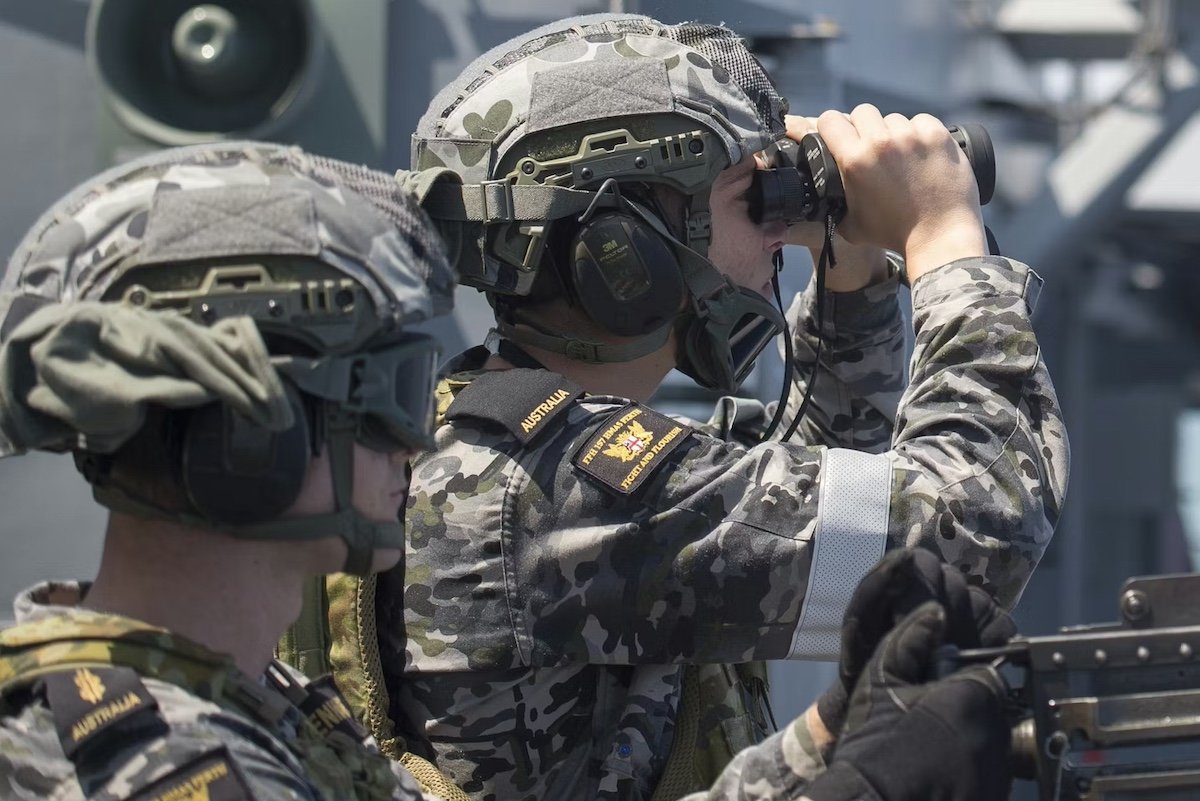
Australia's recently unveiled 2026 National Defence Strategy (NDS) has drawn criticism for offering little strategic novelty, despite pledging a significant A$53 billion in additional funding over the next ten years. The document, which aims to push defense spending toward 3% of GDP, is largely viewed as a continuation of the 2024 strategy, failing to account for the profound geopolitical shifts of the past two years.
A Strategy Anchored in the Past
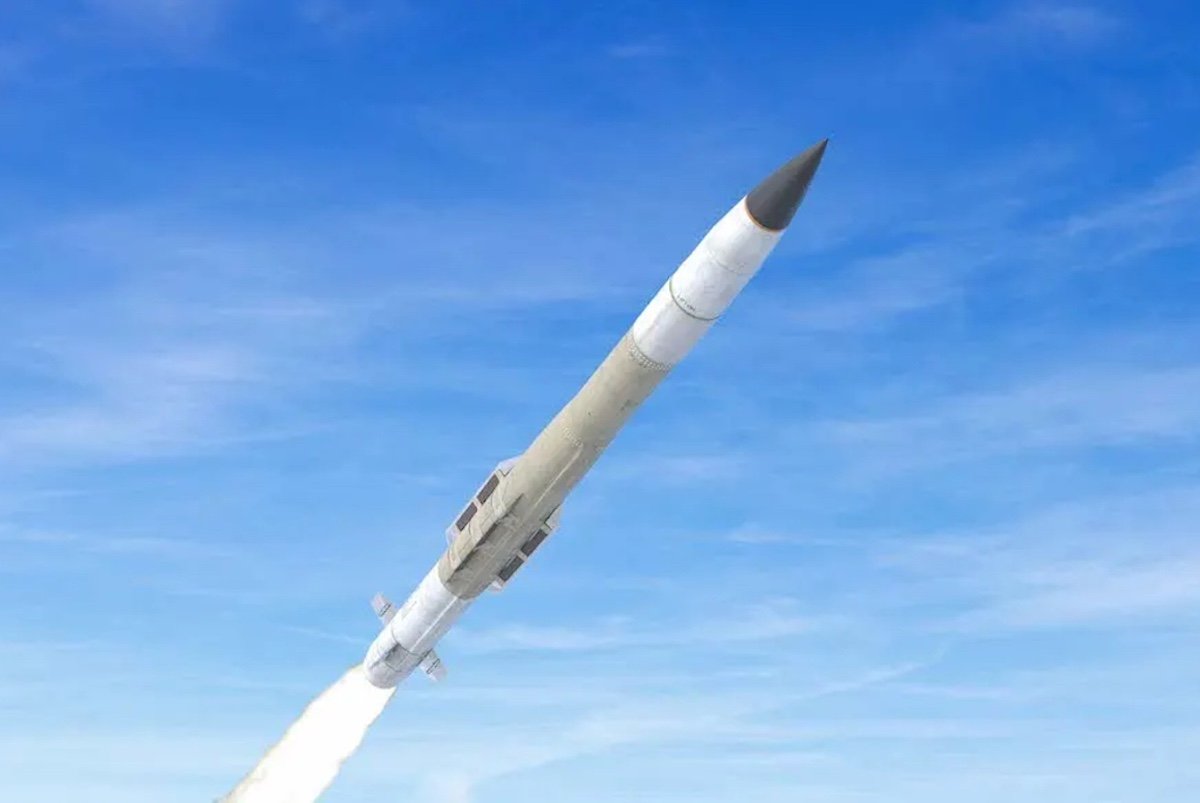
The core of the strategy remains a "strategy of denial," a defensive posture designed to prevent a hostile power from projecting force against the Australian continent. While it outlines investments in new capabilities like a medium-range surface-to-air missile system and autonomous drones such as the Ghost Bat and Ghost Shark, critics argue these are overshadowed by continued massive spending on traditional platforms like crewed warships and armored vehicles.
Analysts note the strategy seems backward-looking, drafted as if global events have stood still. It does not substantially recalibrate Australia's posture in response to the protracted war in Ukraine, the expanded conflict in the Middle East, or the unpredictable nature of recent American foreign policy. The launch event itself was notable for the absence of Prime Minister Anthony Albanese, who was in Asia securing critical fuel shipments—a detail that underscores a key vulnerability the strategy only lightly touches upon.
Missed Opportunities and Domestic Doubts
A significant shortfall of the document, according to observers, is its failure to construct a compelling public case for the centerpiece of Australia's future force: the nuclear-powered submarines acquired through the AUKUS pact with the United States and United Kingdom. Former Defence Department Secretary Dennis Richardson recently questioned whether the submarines represent a "net addition to defense capability," highlighting public skepticism about their essential nature compared to other needs. The NDS could have provided a coherent strategic narrative for this colossal investment but chose not to.
Furthermore, while the strategy pays lip service to a "whole-of-nation" approach to defense, it offers scant detail on how to achieve it. The current fuel crisis, which saw Albanese traveling to Asian partners for supplies, exposes a critical gap. Military hardware is useless without the fuel to operate it, a lesson highlighted in 2018 when a delayed tanker from Singapore reportedly disrupted a major air exercise in Darwin. The NDS mentions trials on sustainable aviation fuels but presents no large-scale production plan, suggesting defense officials are merely "nibbling at the edges of fuel security and resilience."
The Unaddressed American Factor
The most glaring omission, however, may be the United States. The strategy largely sidesteps the profound implications of America's own strategic evolution and domestic political climate for the cornerstone ANZUS alliance. This silence is particularly striking given the region's volatility.
Earlier this year, the US released its own National Defense Strategy, which explicitly calls on allies to help defend the "first island chain" stretching from the Philippines and Taiwan to the Japanese archipelago. Australia's document does not meaningfully engage with this expectation or with the broader question of how Canberra will navigate its alliance commitments amid potential shifts in US policy, whether related to protracted conflicts in the Middle East or strategic competition with China.
In an era defined by strategic uncertainty, Australia's latest defense blueprint is seen by critics as a document of caution rather than clarity. It increases funding but avoids the tough questions about prioritization, national resilience, and how to manage a foundational alliance that is itself in a state of flux. For a nation seeking a more influential role in the Indo-Pacific, the strategy's incrementalism and missed opportunities may prove to be its own undoing.