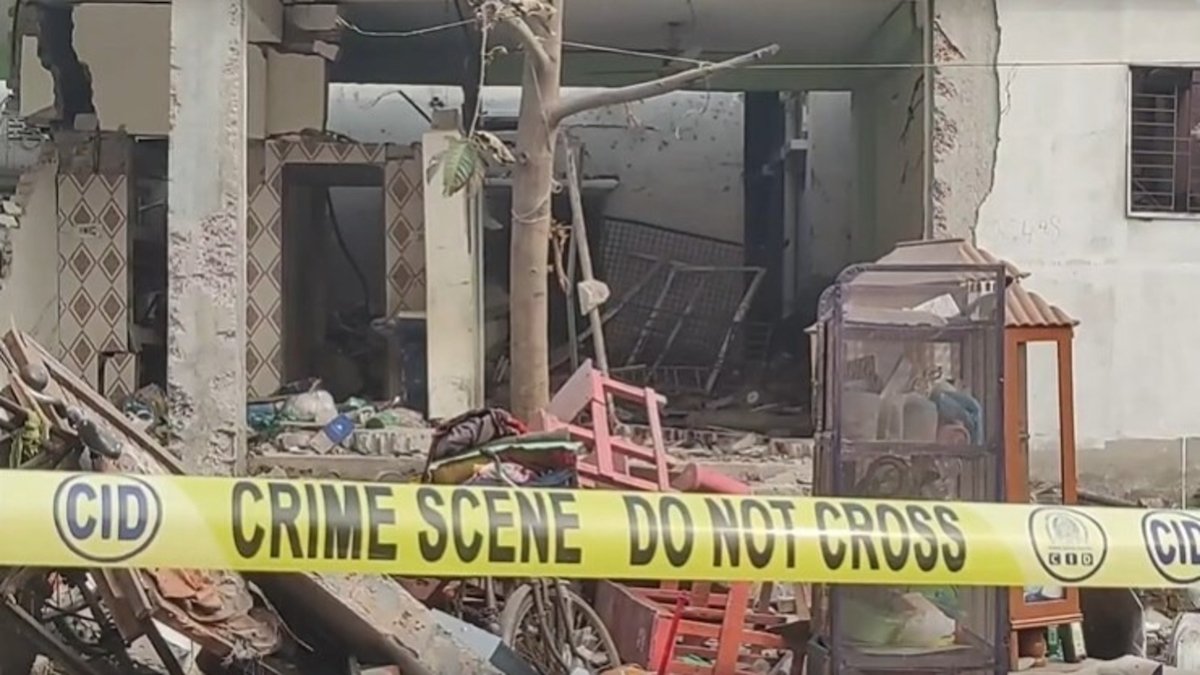
On December 26 last year, an explosion ripped through the Ummul Qura International Madrasa in Keraniganj, a suburb of Dhaka. What initially seemed like a gas leak quickly turned into something far more sinister as investigators recovered improvised explosive devices (IEDs), chemical precursors, and other bomb-making materials from the rubble. Court proceedings later confirmed that explosives had been prepared on-site overnight, pointing to an accidental detonation within an active militant operation rather than an external attack. Arrests followed under anti-terrorism laws, and the main accused was remanded for interrogation.
Yet even as evidence mounted and legal processes advanced, an alternative narrative gained traction. On social media and in political discussions, some dismissed the event as staged—a constructed drama serving political ends. Skepticism extended beyond questioning the investigation to doubting whether the incident itself was genuine. This pattern of denial is not new in Bangladesh, and it reflects a deeper paradox in the country's security discourse.
A Pattern of Denial and Alarm
Bangladesh Police Headquarters issued a confidential directive last week to unit heads, warning that members of a banned extremist organization might target key national installations, including the Jatiya Sangsad Bhaban (National Parliament), police and military facilities, religious sites, entertainment areas, and Shahbagh intersection. The alert, based on intelligence inputs, referenced the arrest of a suspect named Istiaq Ahmed Sami and alleged links to dismissed military personnel, along with plans involving explosives and firearms. In response, police made another arrest on Saturday, while the Counter Terrorism and Transnational Crime (CTTC) unit said its cyber intelligence team was actively investigating the matter and urged the public not to panic.
This episode too faced immediate skepticism. The listing of high-profile targets fueled online debates questioning the alert's timing and credibility, with some suggesting such communications are often exaggerated or selectively framed for political effect. Such misgivings are not new. During the interim government, then-Dhaka Metropolitan Police (DMP) Commissioner Sheikh Md Sajjat Ali himself stated publicly that there were “no militants in the country.” He went further, claiming that militant threats during the Awami League era had been staged “dramas” to justify actions against young people.
Developments during Sajjat Ali's own tenure contradicted that assertion. On January 31 this year, Ahsan Zahir Khan, 50, was arrested from the Jatiya Sangsad Bhaban area on suspicion of militancy, leading to a case under the Anti-Terrorism Act. The CTTC unit later detained four more individuals linked to the same network. Subsequently, on April 2, police took a minor into custody from Habiganj for alleged ties to the banned “New JMB” outfit. A DMP press release connected the child to Ahsan Zahir Khan's group and alleged plans to attack Shia mosques, police checkpoints, and ISKCON temples.
Notably, on March 7 last year, hundreds of activists from the banned Hizb ut-Tahrir attempted to march demanding the establishment of a “caliphate,” prompting police to use tear gas and sound grenades to disperse them. Again in late September last year, then-Inspector General of Police Baharul Alam stated that some Bangladeshis who had sought to join the Tehrik-e-Taliban Pakistan (TTP) were under surveillance. A Times of Bangladesh report on Sunday further revealed that a Bangladesh Air Force warrant officer, who went missing from a Chattogram base, has been traced to a TTP hideout, prompting an internal investigation into alleged extremist links within the force. Security sources said more than 20 people, including serving BAF personnel and a base mosque imam, have been detained over suspected recruitment activities, foreign travel, and possible exposure of sensitive information.
The Roots of Denial
To understand this dynamic, it helps to revisit earlier phases of Bangladesh's security history. Following the 2016 Holey Artisan Bakery attack, analysts identified a pattern of “ostrich syndrome,” in which early warnings about rising extremist networks were downplayed despite mounting evidence. Competing narratives—ranging from foreign conspiracies to accusations of political framing—persisted long after the facts were established. A more politically charged layer emerged in the following years, as specialized units such as the CTTC intensified arrests, raids, and intelligence operations. From a security standpoint, these efforts were often credited with success.
But this period under Sheikh Hasina's authoritarian regime also produced a parallel discourse of skepticism. Allegations of extrajudicial killings, concerns over due process, and debates about “crossfire” incidents led some sections of society and rights organizations to question the methods used in counterterrorism operations—and whether Hasina was looking to score political points, stay in power indefinitely, and appease the Western world and India. While these concerns focused on accountability and legality, they also had a broader effect: they contributed to a climate where even credible threats are met with disbelief.
This denial has real consequences. As Bangladesh grapples with economic challenges, including money printing risks that could rekindle inflation, and fuel crisis stemming from government mismanagement, the security dimension cannot be ignored. The country's strategic position in South Asia, bordering India and Myanmar, makes it a focal point for regional stability. A failure to confront militant threats honestly undermines not only domestic security but also international cooperation, as seen in the broader flux in US counterterrorism strategy amid rising Asian security concerns.
The paradox remains: official statements oscillate between reassurance and alarm, while public responses swing between acceptance and outright disbelief. Claims that militancy has been overstated coexist with documented arrests, recovered materials, and intelligence warnings suggesting a persistent threat. For Bangladesh to move forward, it must abandon this cycle of denial and engage in a more honest, evidence-based conversation about the real security challenges it faces.