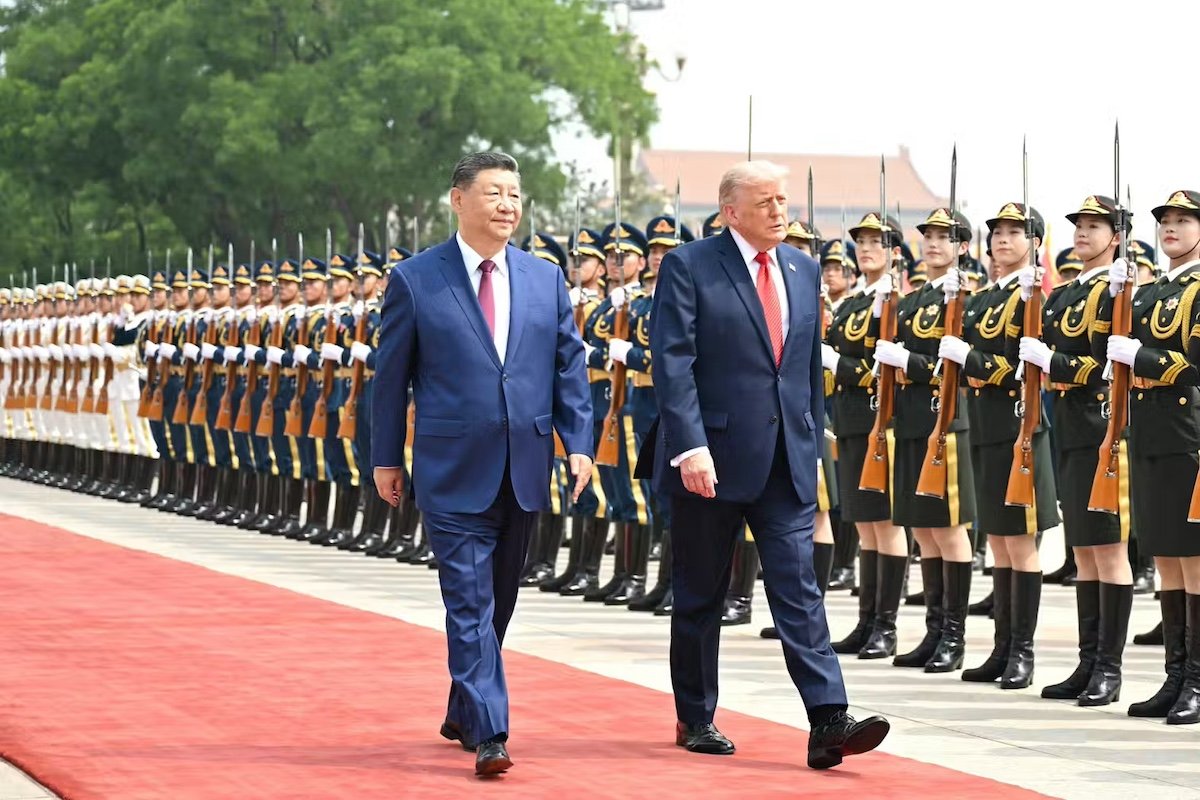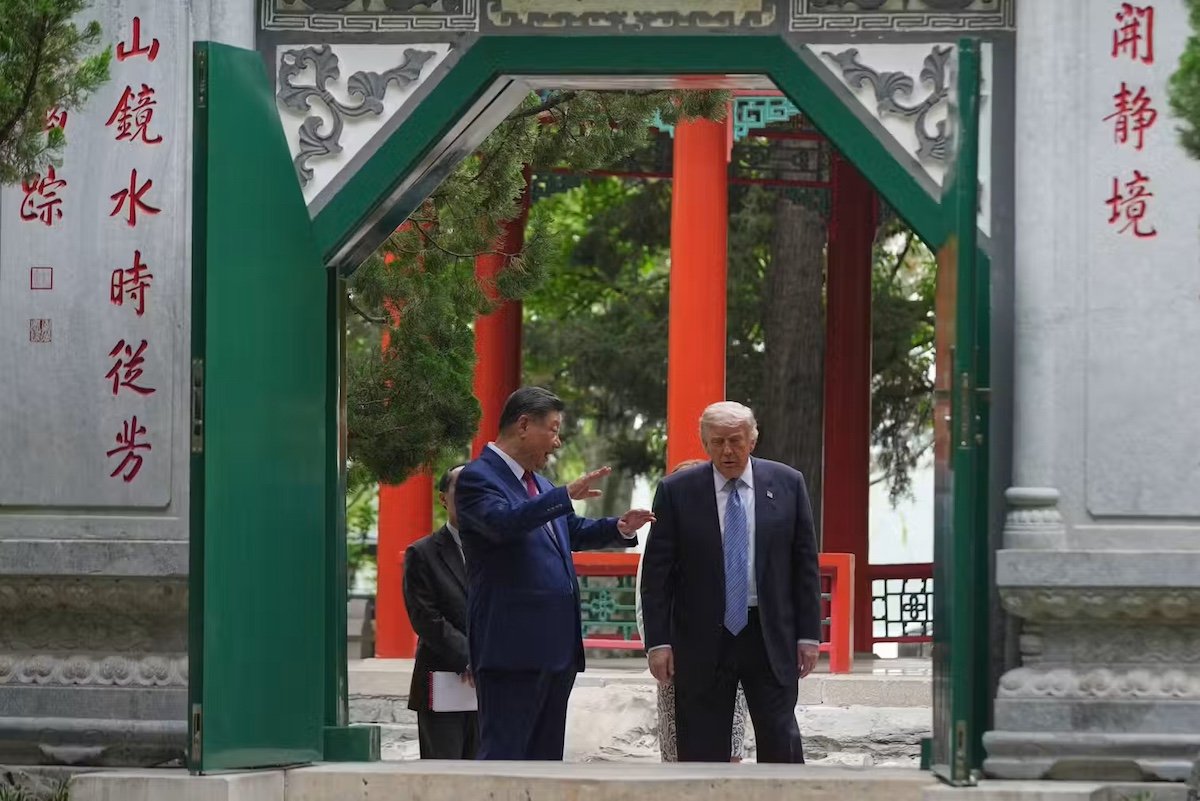
In recent weeks, Beijing has hosted back-to-back state visits by Russian President Vladimir Putin and US President Donald Trump, drawing global attention to China's diplomatic role. For some analysts, these summits portray China as a stabilizing force capable of hosting major rivals. Others see President Xi Jinping emerging as an indispensable global leader. Chinese media have dubbed the capital an international “living room” and declared that “the world is entering 'Beijing time.'”
Beyond the Optics
Yet this narrative overlooks three critical points. First, it remains unclear whether these visits reflect proactive Chinese diplomacy or strategic maneuvering by foreign leaders. Canadian Prime Minister Mark Carney's January visit, for instance, was widely seen as a response to Canada's dependence on the US and the volatility of the Trump administration—a “China card” to negotiate better terms with Washington.
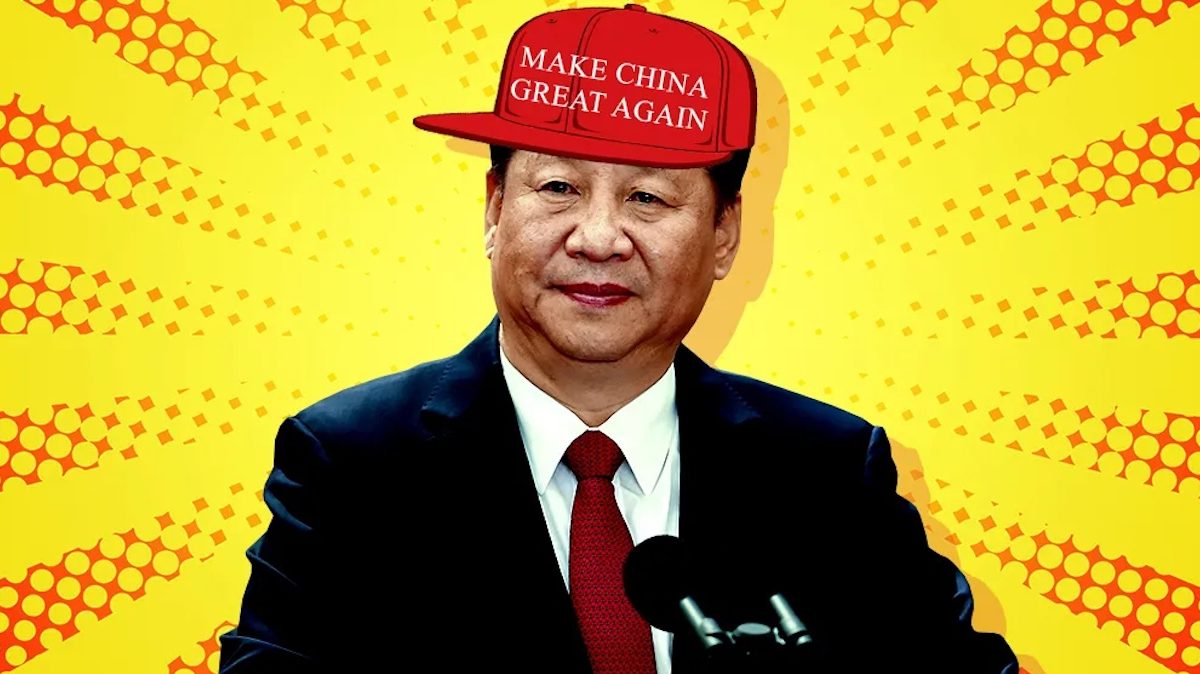
Second, Beijing sets a high entry price for access to its “living room.” During Trump's visit, he backtracked on earlier calls to block Chinese nationals from buying US farmland and to limit Chinese students at US universities—concessions that drew criticism from his MAGA base. Similarly, Carney's visit resulted in a trade deal reducing tariffs on Chinese electric vehicles to 6.1% for the first 49,000 cars annually, reversing a 100% tariff imposed in late 2024. This drew domestic backlash, with politicians warning of a flood of cheap Chinese EVs without guarantees of Canadian investment.
Third, these visits have not shifted China's core foreign policy positions. European leaders failed to alter Beijing's material support for Russia's war in Ukraine or reduce its large trade surplus with the EU. Trump's praise for Xi did not secure Chinese assistance on Iran, nor did Putin resolve disagreements over the Power of Siberia 2 pipeline—a project long sought by Moscow that could carry 50 billion cubic meters of Russian gas annually to China.
Visibility Without Influence
The influx of leaders may instead reflect growing global uncertainty. Dramatic shifts in US foreign policy under Trump have prompted concern among Washington's allies, offering China an opportunity to project stability after years of wolf-warrior diplomacy. But these visits do not prove China's diplomatic efforts have become more effective. Domestic economic pressures—such as massive state subsidies that create surplus exports at artificially low prices—limit what Beijing can deliver. Meanwhile, China continues to support Russia and Iran, challenging Western security despite the importance of those markets to its economy.
As a result, high-profile meetings in Beijing produce ceremony and pomp but limited concrete outcomes. This visibility does not necessarily translate into effective global leadership. For a deeper look at how regional dynamics are shifting, see our analysis on Asia's wealthy families rewriting regional funding and the growing asymmetry in Xi and Putin's multipolar vision.