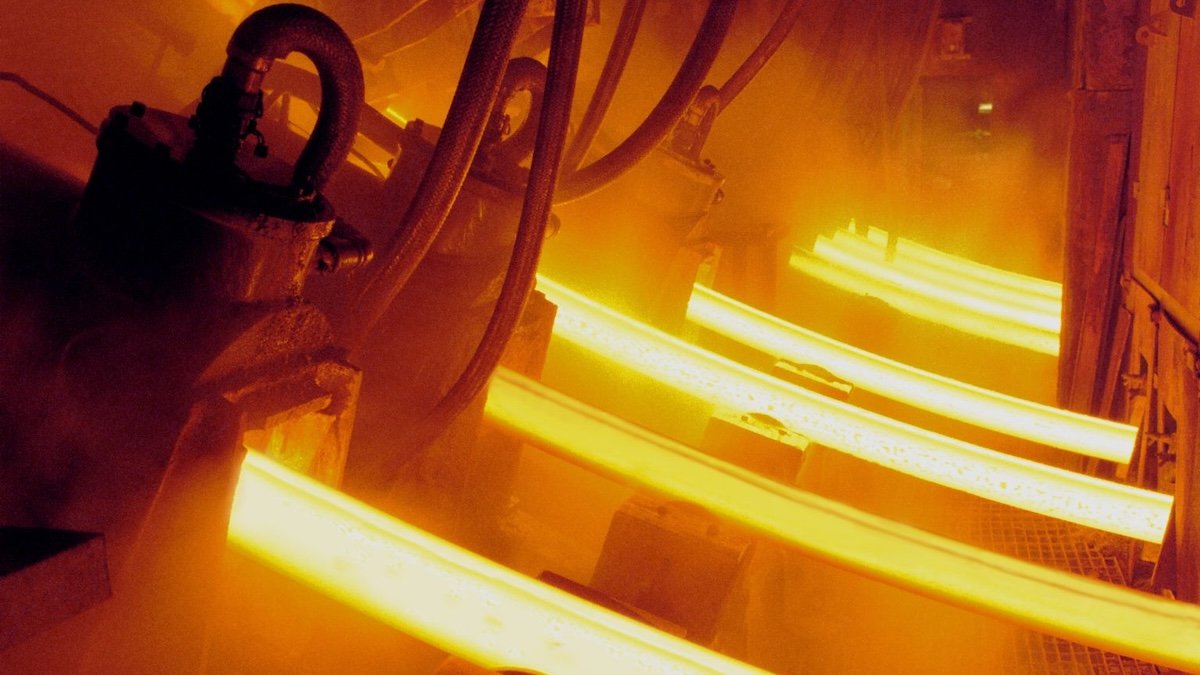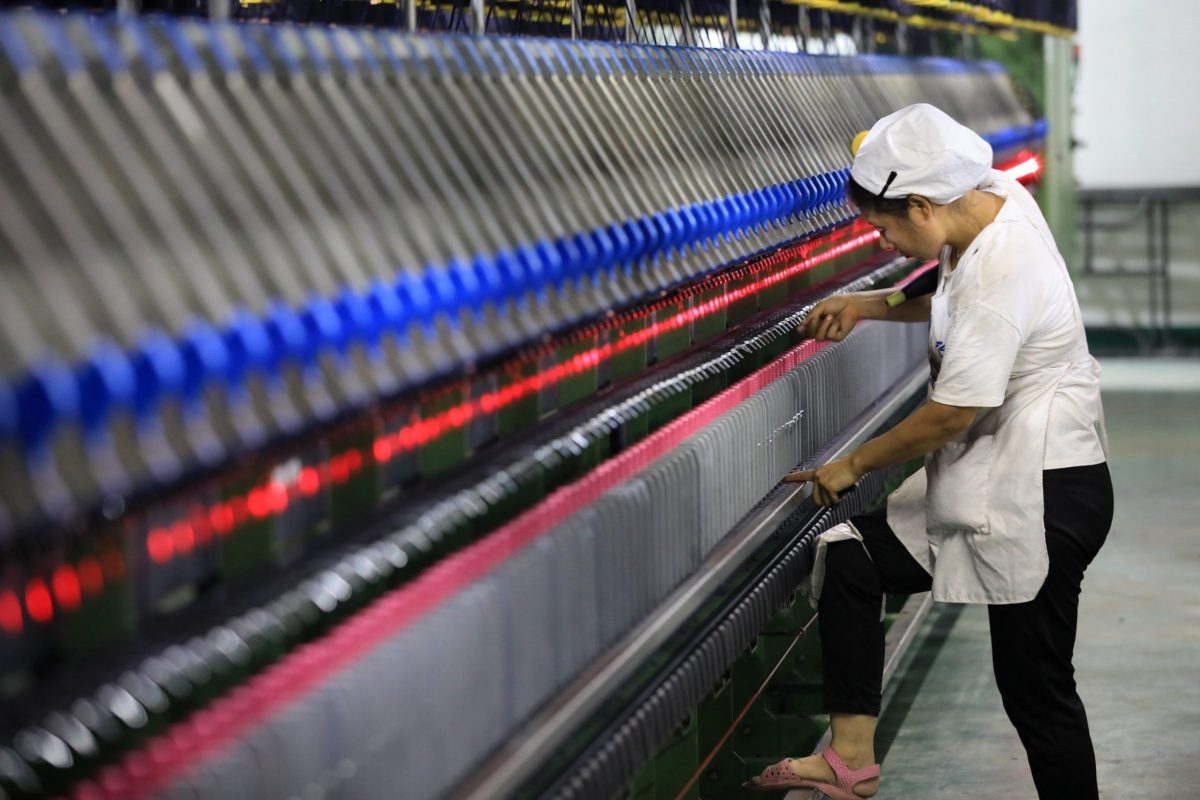
China's vast manufacturing sector maintained its expansion in October, according to official data released Saturday, reinforcing the country's pivotal role in the global economic recovery from the pandemic. The closely watched Purchasing Managers' Index (PMI), a key barometer of factory activity, registered 51.4 for the month, a marginal decrease from September's 51.5. Any reading above the 50-point threshold indicates growth, confirming the sector's continued recovery from the historic plunge witnessed earlier this year.
Recovery Momentum and Key Drivers
Senior statistician Zhao Qinghe of the National Bureau of Statistics (NBS) highlighted that the October data, which showed increases in several critical sub-indices including exports, imports, and new orders, demonstrates a "quick recovery." He noted that manufacturing in major economies is rebounding globally, with a revival in demand helping to drive up prices. Sectors producing textiles, chemical raw materials, chemical products, and rubber and plastic products—all essential in the fight against COVID-19—saw particularly strong demand increases.
The October figure stands in stark contrast to the record low of 35.7 points recorded in February, when stringent pandemic-control measures brought much of the Chinese economy to a standstill. The subsequent rebound has been a cornerstone of China's broader economic stabilization.
Further evidence of recovery came from the non-manufacturing PMI, which rose to 55.2 points in October, a 0.3 percentage point increase from the previous month. This suggests a broadening of the economic rebound beyond the industrial sector.
Broader Economic Context and Global Forecasts
The sustained manufacturing growth supports the International Monetary Fund's revised forecast, which nearly doubled its 2020 growth projection for China to 1.9%. This adjustment reflects the country's relative success in curbing its domestic coronavirus outbreak and robust global demand for medical equipment and other manufactured goods. China is now expected to be the only major economy worldwide to record positive growth for the full year.
Official data shows the world's second-largest economy grew 4.9% in the third quarter compared to the same period last year. This represents a significant recovery from the historic contraction experienced in the first quarter, following the easing of strict lockdowns and the rollout of substantial government stimulus measures.
The resilience of China's industrial base has profound implications for the wider Indo-Pacific region and global trade. As China's industrial output reshapes global trade, it exerts competitive pressures on manufacturing sectors across Asia, from Vietnam to Indonesia. This dynamic forces regional economies to constantly reassess their own industrial strategies and export models.
Moreover, China's economic trajectory intersects with complex geopolitical currents. Its recovery and continued export strength occur against a backdrop of strategic competition, where technological and industrial capacity are central. For instance, parallel contests are unfolding in sectors like fusion energy supply chains, forcing other global players to make difficult choices. China's economic heft also grants it significant diplomatic leverage, as seen in its potential role in reviving the Iran nuclear deal, a situation with direct implications for energy security and trade routes across Asia.
The data underscores a central paradox of the current moment: while China's manufacturing engine shows remarkable resilience, contributing to global supply chain stability, its long-term industrial policies and resulting overcapacity continue to reshape international trade relationships. This creates both opportunities and challenges for its Asian neighbors and trading partners worldwide, ensuring that the performance of its PMI remains a closely watched indicator far beyond its own borders.