China's evolving import standards are reshaping agricultural trade across Asia, creating clear winners and losers. In São Paulo, Chinese buyers from the Tianjin Meat Industry Association are paying a premium for deforestation-free beef, pledging to purchase 50,000 tons by 2026. This signals that environmental compliance and transparency are now core priorities for Chinese importers.
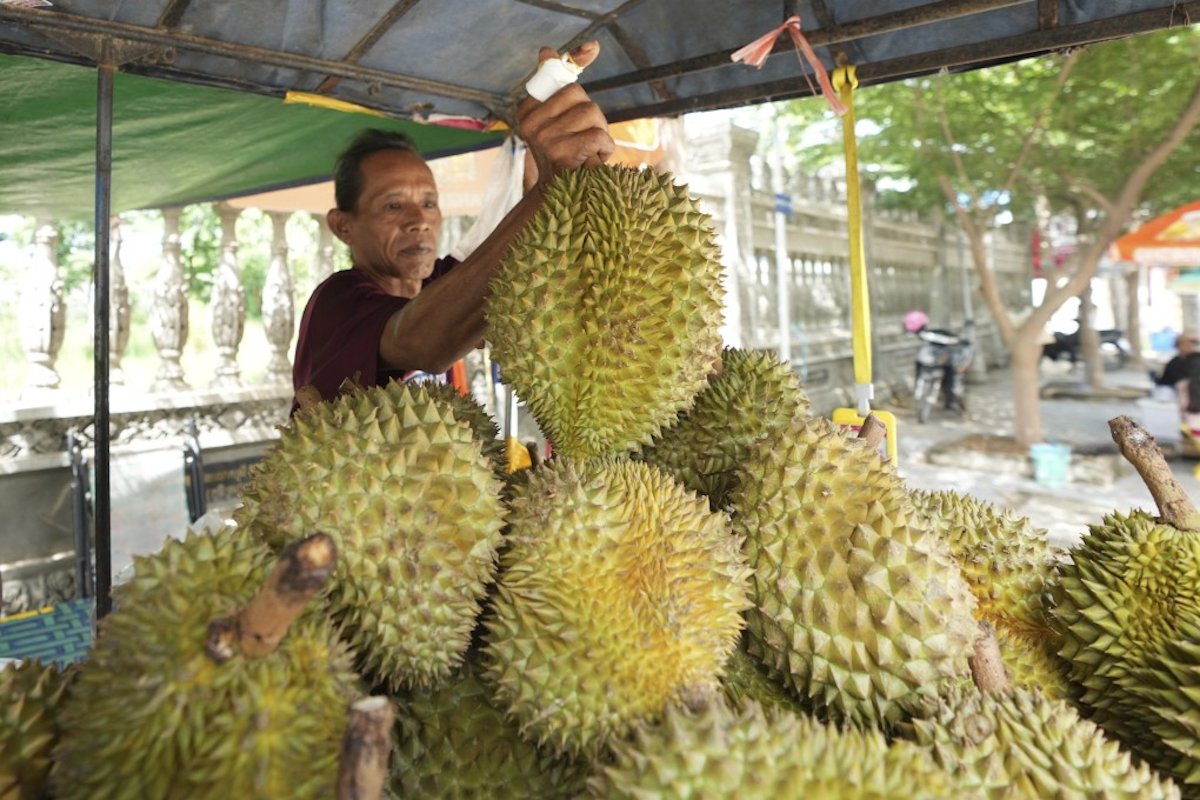
In contrast, Vietnam's durian industry faces severe disruptions. In Dong Thap Province, 80 of 111 fruit packaging factories have halted exports after banned chemical residues were detected. Local Ri6 durian prices have plunged to around one US dollar per kilogram, below production costs. Stricter safety checks and inspection bottlenecks have effectively shut out non-compliant suppliers.
China is no longer just a massive buyer chasing volume. Its market access standards now wield far-reaching influence over global agricultural trade. Meeting unified compliance criteria has become a decisive factor for foreign producers seeking entry to the world's largest food consumption market.
Tighter Border Controls Reshape Trade Dynamics
Cross-border trade along the China-Vietnam border in the early 2000s lacked traceability systems, standardized inspections, and strict certification. Vietnamese producers often assumed low prices could offset quality and documentation gaps, while Chinese logistics operators relied on flexible clearance arrangements. This model boosted volumes but left the industry unprepared for tighter regulation.
China Customs Decree 280, which regulates registration of foreign food manufacturers, has overturned the old trade logic. Detailed translations and official revisions have been publicized globally to facilitate compliance. Following a 2017 quality scandal, Brazil invested heavily in a digital tracking system covering pastures, slaughterhouses, warehouses, and cross-border transport from 2018 to 2025. When China raised food safety and environmental thresholds, Brazil was ready and secured its position as a reliable supplier.
Vietnam has lagged in quality management, product tracing, logistics, and cold chain development, despite vast fruit-growing areas. Some local factories submitted falsified tracing documents to pass customs inspections. These problems stem from structural gaps between modern industrial supply chain management and scattered small-scale farming. Producers attempting to bypass standards risk permanent exclusion from China's mainstream import market.
Infrastructure Creates Competitive Divide
Thailand and Vietnam offer a telling comparison of how infrastructure shapes export competitiveness. Thailand has leveraged the China-Laos Railway for tropical fruit exports. Cold-chain freight trains deliver durians and mangosteens from orchards to Kunming swiftly, and goods can reach over 30 Chinese cities within 48 hours after road transfer. The railway is expected to carry more than 200,000 tons of tropical fruits in 2026. Advanced refrigeration technology cuts cargo loss from 8-15% under traditional road transport to just 1-5%.
Vietnam's export chain suffers from operational bottlenecks. Durian truck fleets often queue for 24 hours waiting for pre-shipment tests in Dong Nai Province. By late 2025, Vietnam had only 24 GACC-accredited testing laboratories, insufficient for major planting zones. The long waiting periods reflect a permanent upgrade of China's regulatory requirements, not temporary surges. Dong Thap alone yields massive durian output in May and June with no efficient clearance channel.
Cold storage shortages worsen the situation. Vietnam has 117 professional cold storage facilities, but 90% are designed for frozen meat and seafood, leaving limited space for fresh fruits. Post-harvest losses stand at 20-40% annually, totaling $3.5 to $4.1 billion in economic losses. Given the huge investment needed for cold chain facilities, testing labs, and cross-border logistics, Vietnam's disadvantages will hardly be reversed in three to five years. In contrast, Thai exporters enjoy stable cold-chain transport supported by the transnational railway network.
Public discussions in Vietnam often attribute export disruptions to insufficient testing capacity, ignoring fundamental systemic problems. China conducts strict tests on cadmium and the industrial dye Auramine O, both hazardous to health. Test results from Mekong Delta regions show excessive heavy metals in considerable durian and jackfruit samples, and unapproved food additives trigger immediate shipment recalls. A failed reinspection in China carries long-term penalties: factories with disqualified cargo lose official export codes, and qualification restoration takes six to 12 months, covering an entire fruit export cycle. Eight local packaging plants have submitted accreditation applications but still await official approval.
China's compliance wall is not just about testing—it reflects a broader shift toward modern supply chain management. As Beijing continues to tighten standards, exporters across Asia must invest in infrastructure, traceability, and quality control to remain competitive. This trend aligns with China's broader strategic moves, such as reshaping Southeast Asia's energy future and intensifying the quantum race with the US.