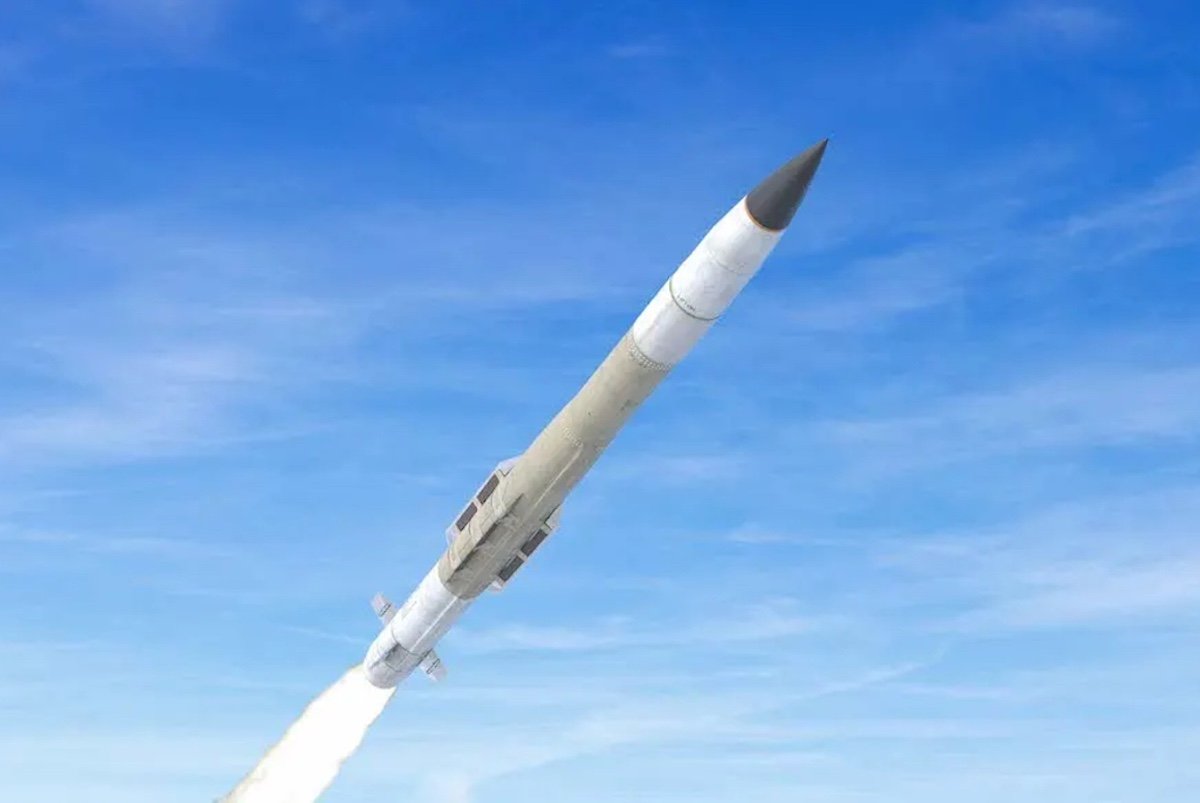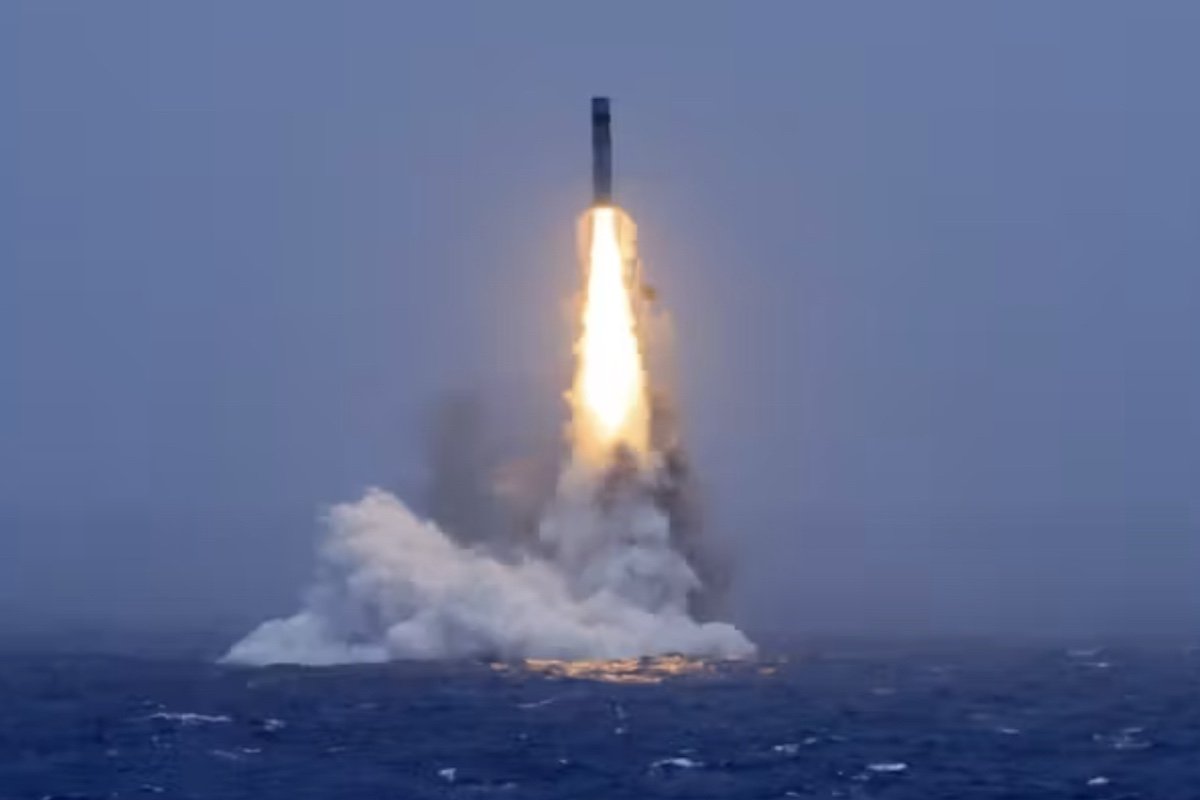
On July 6, a Chinese navy submarine launched a long-range ballistic missile from underwater into international waters in the South Pacific. The missile, carrying an inert dummy warhead, is believed to have splashed down near Tuvalu. Beijing described the event as a routine part of its annual military training program, stating it was not directed against any specific country and urging other nations not to over-interpret it.
Reactions from Australia, New Zealand, Japan, and Taiwan were swift and pointed. Australian Foreign Minister Penny Wong called the test destabilizing. Some commentators linked the launch to a new defense pact between Australia and Fiji signed the same day, suggesting Beijing aimed to remind Pacific nations of its reach.
Routine Testing or Strategic Signal?
Every nuclear power operating strategic ballistic missiles—whether submarine-launched or land-based—periodically test-fires unarmed missiles to confirm reliability, range, and accuracy. In recent years, the United States, the United Kingdom, Russia, France, and India have conducted similar tests. China maintains a declared no-first-use policy, meaning it would only use nuclear weapons in retaliation. Submarine-launched ballistic missiles are specifically designed for second-strike capability, surviving a nuclear attack on the mainland to enable a response.
Testing such a capability to intimidate middle and small powers like Australia or Fiji seems illogical. Chinese land-based intercontinental ballistic missiles already reach those targets. Submarine-launched missiles are deterrents aimed at other nuclear powers, ensuring credibility even after a devastating first strike. If China wanted to intimidate Fiji, a strategic bomber flyby or aircraft carrier deployment would be cheaper and more effective.
However, China's handling of the test drew legitimate criticism. The Australian government reported receiving only hours of notice, which it said was inconsistent with The Hague convention on ballistic missile testing. Even an unarmed missile poses risks to aircraft and shipping, a concern Beijing should address. But the notice issue is separate from whether the test itself was provocative.
The deeper asymmetry lies in how such tests are received. Had the US tested a submarine-launched missile in the Pacific, it is unlikely Australia or other US allies would have blinked. The real issue may be watching a potential adversary demonstrate a capability every other nuclear power already possesses and regularly exercises. As China continues to build and rehearse its deterrent architecture, the political dimension of timing cannot be ruled out, but it remains unproven.
This incident also highlights broader trends in China's military modernization, including its multi-pronged strategy to counter US chip export controls and its truck-mounted drone launcher that blurs military and civilian lines. Meanwhile, power prevails but law still matters in the South China Sea, and Indonesia needs China's know-how, not just its cash and contracts.