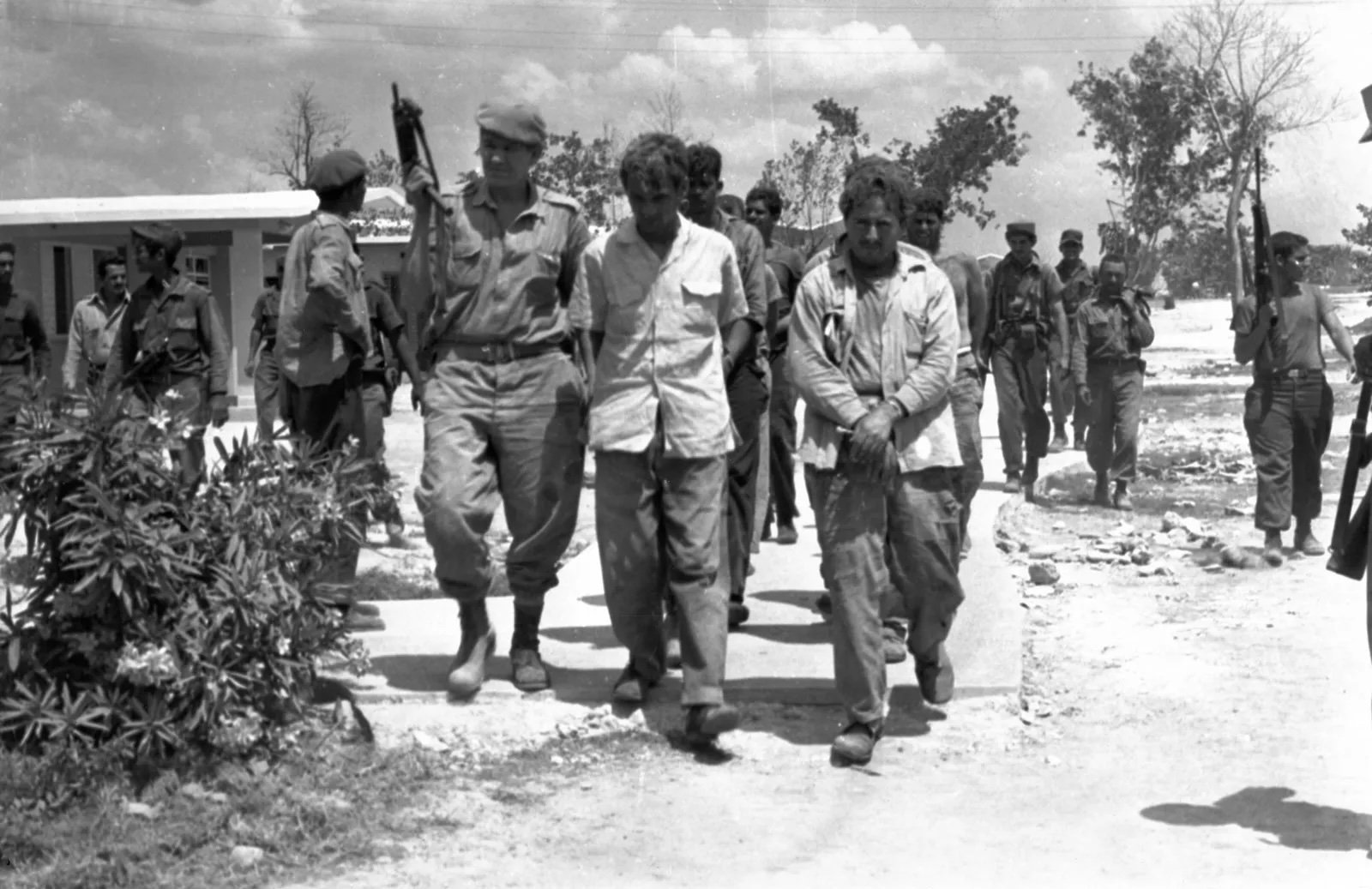
Recently declassified documents, released on the 65th anniversary of the Bay of Pigs invasion, reveal the depth of the crisis within the US government following the failed 1961 operation. The records, published by the National Security Archive, show President John F. Kennedy actively explored a fundamental reorganization—or even dismantling—of the Central Intelligence Agency in the aftermath of the debacle.
Kennedy's Secret Review of British Intelligence Model
A confidential memorandum from May 1961, just one month after the invasion's collapse, details how Kennedy tasked White House aide Arthur Schlesinger with studying the structure of British intelligence. The goal was to find a model for bringing the CIA's clandestine operations under tighter political control. "What is of special interest in the British experience is, not the division between intelligence and operations," Schlesinger advised the President, "but the means by which the clandestine service is kept under continuous policy control."
The document collection includes the CIA's own damning internal postmortem, the "Inspector General’s Survey of the Cuban Operation." This top-secret report, compiled by veteran officer Lyman Kirkpatrick, concluded the operation was based on a flawed assumption that the invasion would spontaneously trigger a popular uprising against Fidel Castro. The CIA had "no intelligence evidence that Cubans in significant numbers could or would join the invaders," the report stated.
It further criticized the agency for poor security, which led to media leaks, and for misleading the White House about the operation's deteriorating chances of success. "Plausible denial was a pathetic illusion," the inspector general found. The report was considered so sensitive that then-CIA Director John McCone ordered most copies destroyed.
From Invasion to Secret Dialogue in Montevideo
The archive also highlights a remarkable, little-known diplomatic episode that occurred in the invasion's wake. In 2001, during a conference in Havana marking the 40th anniversary, former White House aide Richard Goodwin recounted a secret meeting he held with Cuban revolutionary Che Guevara in Montevideo, Uruguay.
Goodwin reported that Guevara, in an informal setting where both men sat on the floor, ironically thanked the US for the invasion. Guevara said it had been "a great political victory for them, enabled them to consolidate, and transformed them from an aggrieved little country into an equal." His central message, however, was that Cuba sought a modus vivendi—a practical arrangement for coexistence—and was open to discussing all US concerns except for abandoning its socialist system.
This first high-level contact since the revolution opened a brief, direct channel, illustrating how the failure of military action can create unexpected openings for dialogue, a dynamic relevant to other protracted conflicts.
Legacy of a "Cautionary History"
The released files include evidence of CIA collaboration with organized crime to assassinate Castro prior to the invasion, a plot funded from the operation's budget. They also feature Cuban intelligence reports from Central America tracking the exile force's preparations.
Scholars note that the Bay of Pigs remains a pivotal case study in intelligence failure, mission overreach, and the breakdown of civilian oversight. The anniversary serves as a stark reminder of the perils when covert action escalates beyond an agency's capacity and the political need for clear-eyed assessment before committing to force. As global tensions shift, the lessons of miscalculated interventions resonate, including in contexts where military planning must carefully weigh capability against political risk.
Sixty-five years later, the documents underscore that the core tension identified in the 1961 Montevideo meeting endures: the challenge of finding a sustainable relationship between nations with profoundly opposing ideologies, where dialogue is often the only alternative to repeated cycles of hostility.