For many in the West, China remains an enigma, often reduced to a monolithic threat in media coverage. But a new academic study suggests that the key to understanding Beijing's moves lies not in parsing veiled threats, but in recognizing the storytelling techniques Chinese leader Xi Jinping employs. Researchers have analyzed four major speeches by Xi from 2021 to 2023, identifying classic narrative plots that frame China's rise as a natural, justified evolution.
The study, co-authored by scholars including those from the University of Sydney, applies ancient rhetorical frameworks—Aristotle's ethos, pathos, logos—and modern narrative theory to decode Xi's language. The findings reveal a consistent use of five master plots: adventure, quest, transformation, rivalry, and love. These narratives are not mere decoration; they are strategic tools that shape both domestic consensus and international perception.
Adventure and Quest: The Long March to Rejuvenation
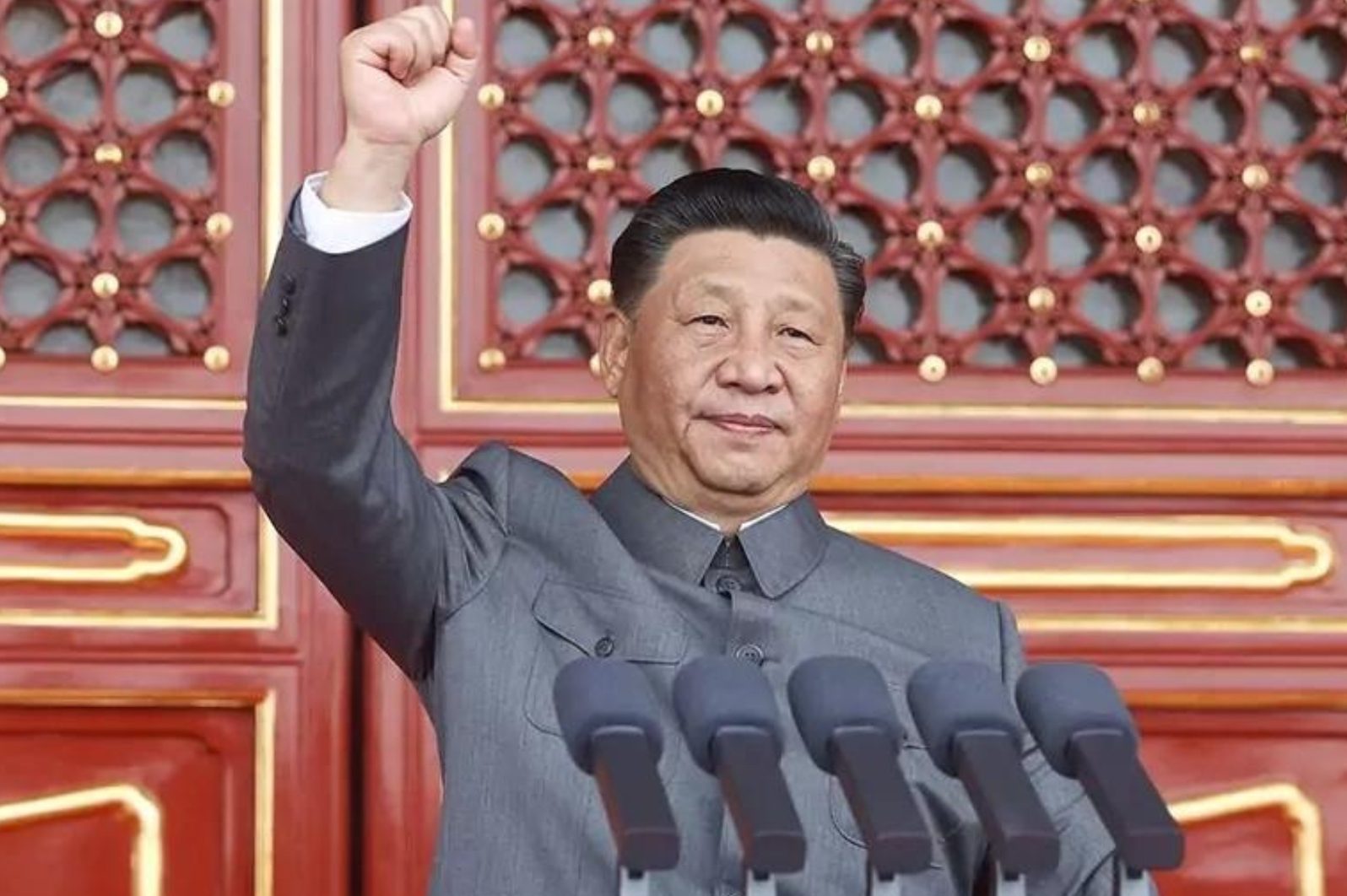
In his 2021 speech marking the Chinese Communist Party's centenary, Xi invoked a narrative of adventure: “To save the nation from peril, the Chinese people put up a courageous fight.” This frames China's modern history as a perilous journey from weakness to strength, appealing to collective memories of hardship. Similarly, the quest plot appears in his 2022 Party Congress report, where he stated, “There has never been an instruction manual or ready-made solution for the Chinese people.” This positions the CCP as the indispensable guide on a difficult but noble mission toward national rejuvenation.
These stories resonate deeply at home, reinforced by state media and patriotic education. They encourage Chinese citizens to see their country as a peaceful yet resolute actor on the global stage. For foreign audiences, understanding this narrative helps explain Beijing's patience in territorial disputes and its insistence on sovereignty, particularly over Taiwan.
Transformation and Rivalry: From Humiliation to Strength
Xi's 2023 National People's Congress speech highlighted transformation: “The Chinese nation has achieved the great transformation from standing up and growing prosperous to becoming strong.” This narrative presents China's rise as an inevitable, organic process built on decades of reform. But it is paired with a rivalry plot that warns of external threats. Xi has repeatedly referenced foreign efforts to “blackmail, contain, blockade, and exert maximum pressure” on China, evoking the “century of humiliation” when foreign powers exploited a weak Qing dynasty.
This duality—past suffering versus present strength—justifies a vigilant, united stance. As Xi declared in 2021, “Anyone who would attempt to do so will find themselves on a collision course with a great wall of steel forged by over 1.4 billion Chinese people.” Such language reinforces the CCP's legitimacy as the defender of national interests, a message that resonates strongly in domestic discourse.
Love and Loyalty: The Emotional Core
The love plot in Xi's speeches is not romantic but patriotic. He expresses gratitude to “people and friends from around the world who have shown friendship to the Chinese people,” framing international support as a form of loyalty to China's cause. This emotional appeal fosters a sense of shared purpose among supporters while subtly distinguishing friends from adversaries.
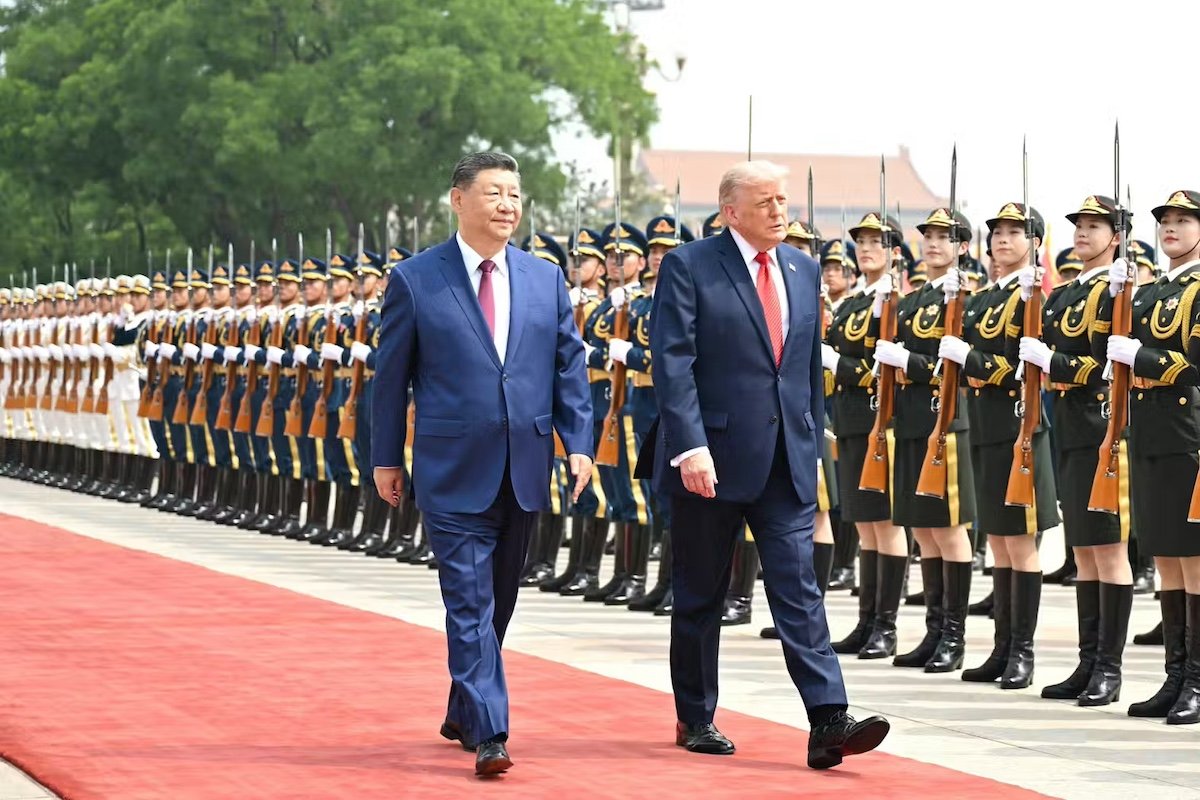
These narrative tools are not unique to China; they echo ancient Greek rhetoric and modern communication theory. But their systematic use by Beijing offers a window into how the CCP sees itself and its role in the world. As Trump and Xi manage US-China rivalry, recognizing these stories can help policymakers avoid misinterpretation. For instance, China's strong stance on Taiwan is not just strategic but narrative-driven: it is framed as a quest to complete national rejuvenation and a defense against historical humiliation.
However, the study's authors caution against assuming that narrative inevitably leads to conflict. Any military action over Taiwan would depend on risk calculations and economic interdependence, as highlighted in China's economic vulnerabilities. The stories Xi tells are powerful, but they are only one factor in a complex geopolitical calculus.
For an informed audience in the Indo-Pacific, understanding these narratives is not about excusing Beijing's actions but about reading its intentions more accurately. As the Trump-Xi summit approaches, analysts would do well to listen not just for what is said, but for the story being told.