Economy & Markets
Asian central banks, currencies, trade flows, commodities and the supply chains wiring the Indo-Pacific.
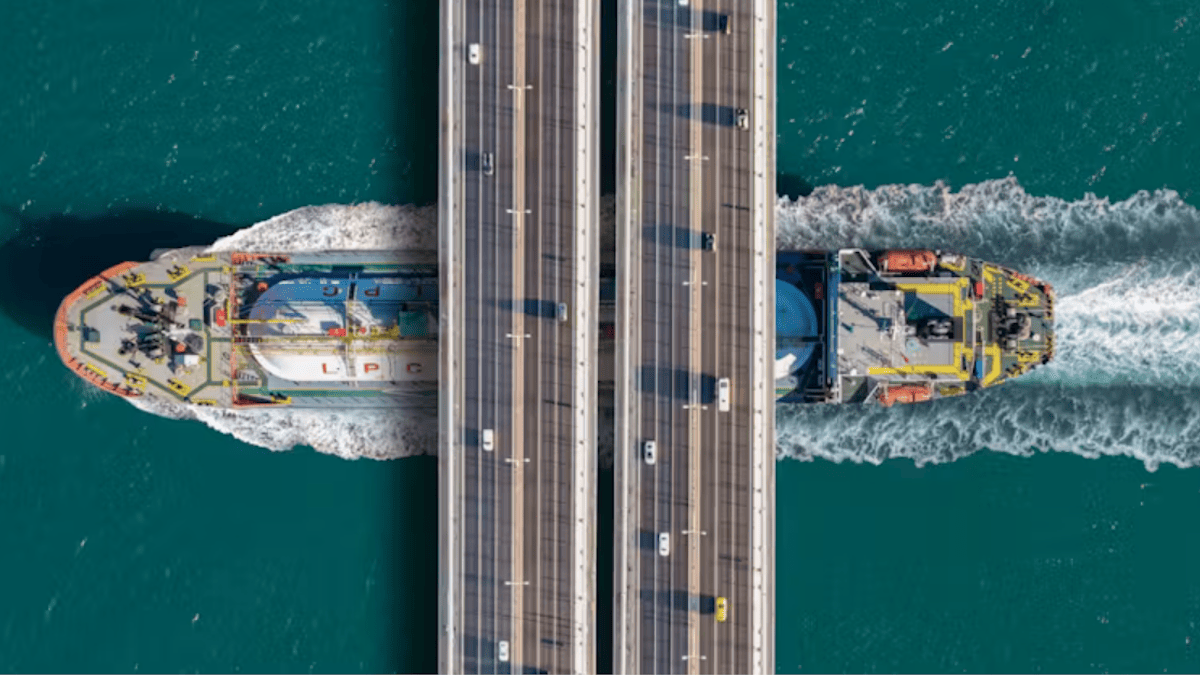
Australia's Path to Becoming an Indo-Pacific Energy Superpower
Australia's abundant LNG and clean energy resources position it as a key player in Indo-Pacific energy security. A strategic alliance with a

Is China Repeating Japan's Zombie Economy Mistake?
China's economy shows signs of zombie companies kept alive by cheap bank loans, similar to Japan after 1990. Official NPL figures may unders
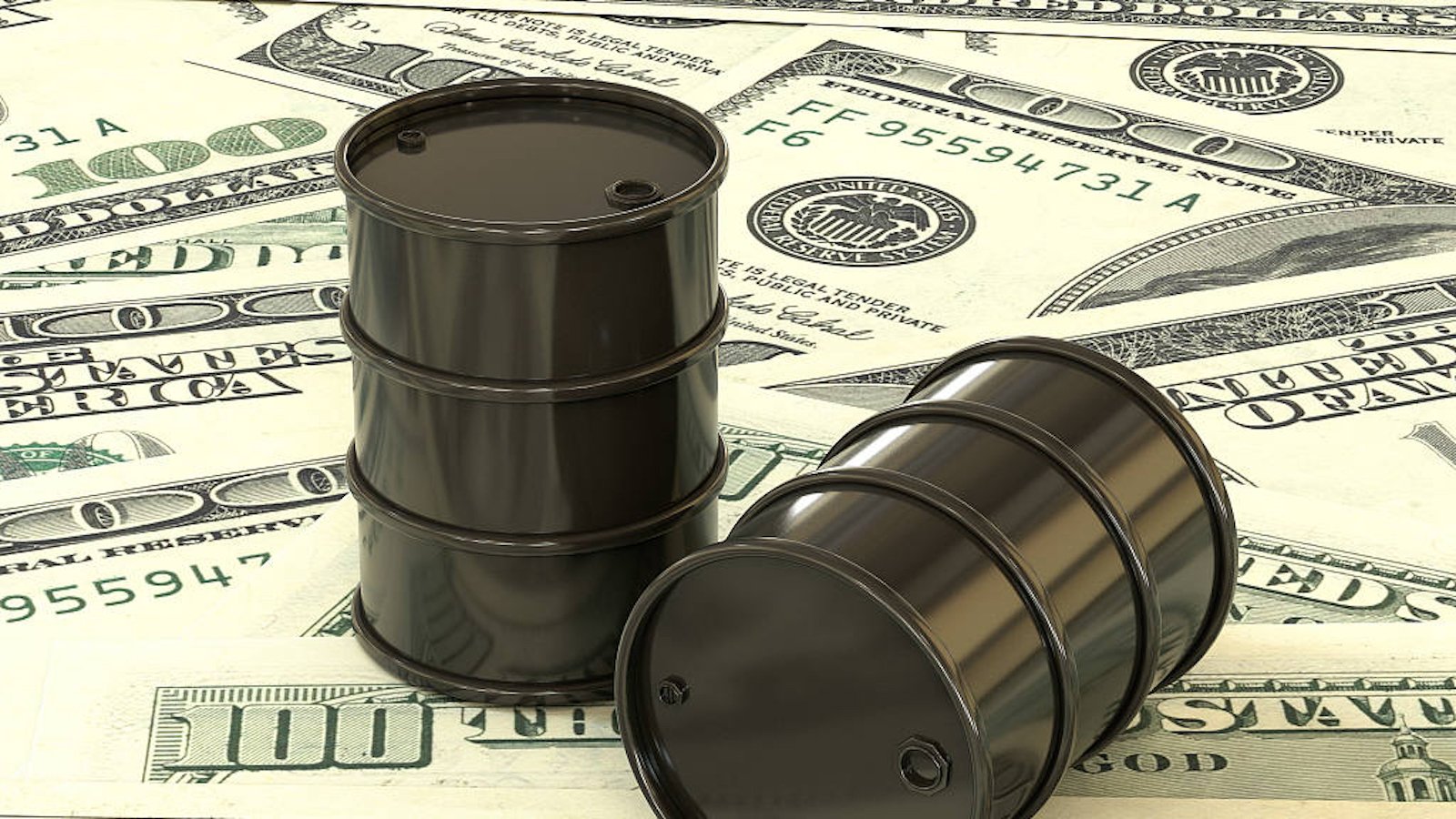
G7 Oil Billionaires Gain $23.5 Billion Since Start of Iran Conflict
A new Oxfam report reveals that 41 energy billionaires in G7 nations collectively gained $23.5 billion since the Iran war started in late Fe

SpaceX IPO: A Tale of Privilege and Market Mechanics in the Indo-Pacific
SpaceX's IPO, with a fixed price and tiny float, mirrors the exclusivity of airport lounges. The listing mechanics, including Nasdaq rule ch
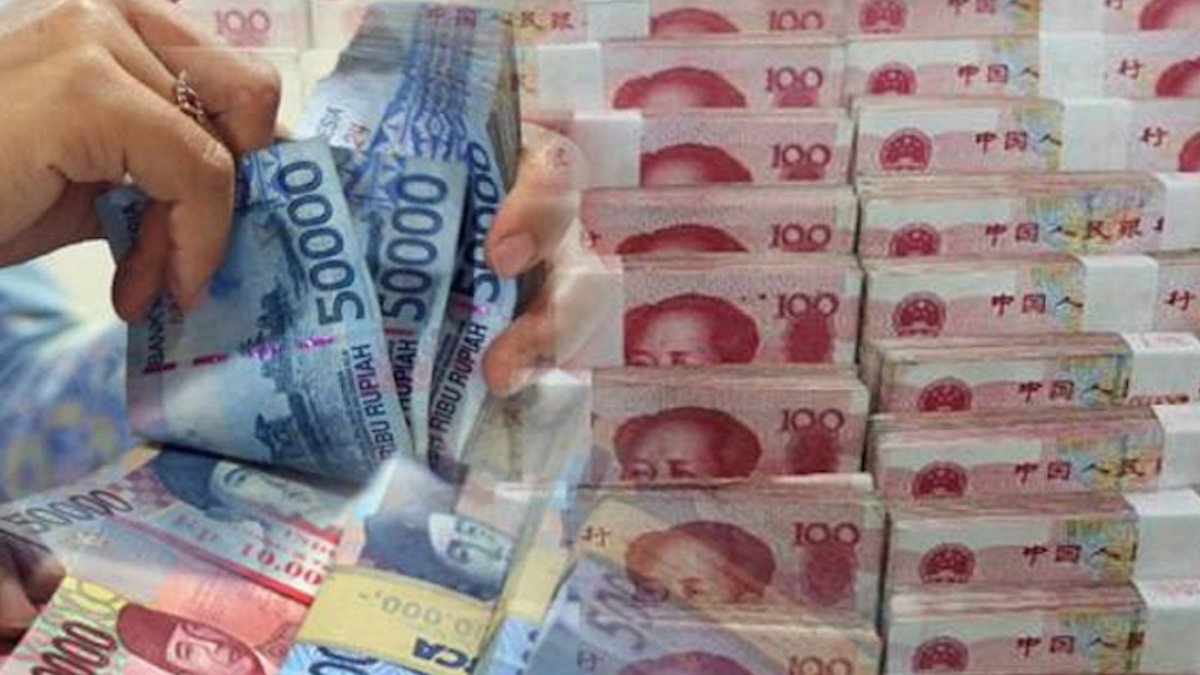
Indonesia and China Forge Path for Local Currency Finance in Asia
Bank Indonesia and the People's Bank of China have expanded local currency transactions and cross-border payment links. The agreements, incl

IPO Transparency Could Force AI Giants to Disclose Risks
SpaceX, OpenAI, and Anthropic are preparing IPOs that could raise $200 billion. Public listing subjects them to US securities laws, enabling
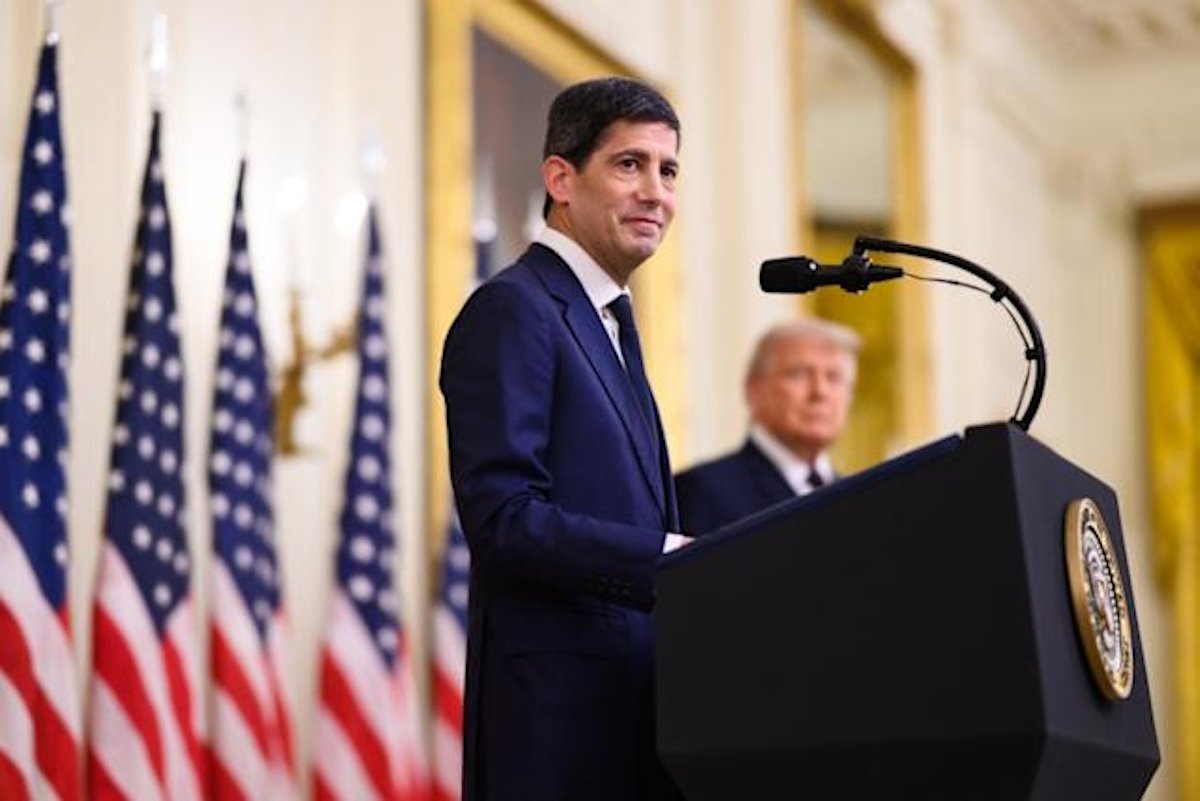
New Fed Chair Kevin Warsh Faces Uphill Battle on Rate Cuts
Kevin Warsh, confirmed as Fed chair on May 13, wants to cut interest rates. But inflation is rising, and the FOMC is leaning toward hikes. W
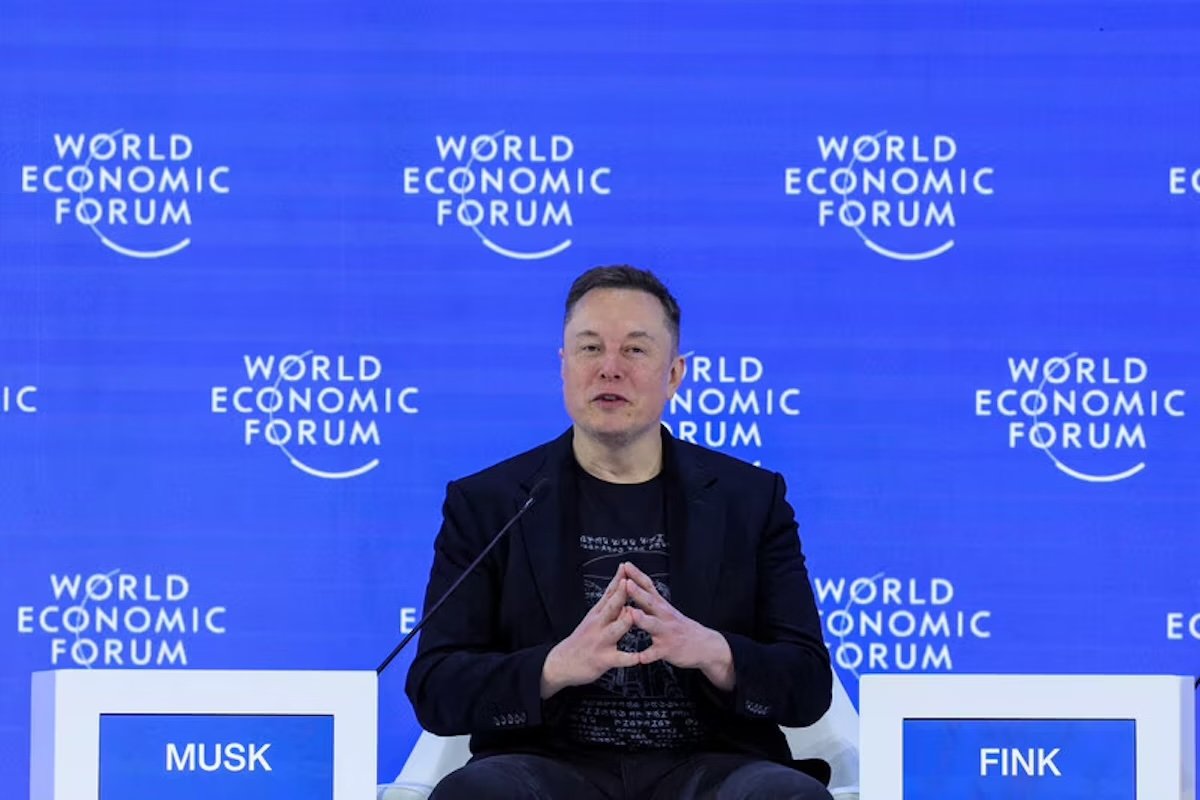
AI Supremacy's New Frontier: From Silicon to Electricity Grids
The AI race is shifting from chip supremacy to energy abundance. China's massive clean energy infrastructure could provide a decisive advant

The Real AI Threat: Information Control, Not Superintelligence
The most pressing AI risk is not a loss of control to superintelligent systems but the concentration of informational power in a few compani
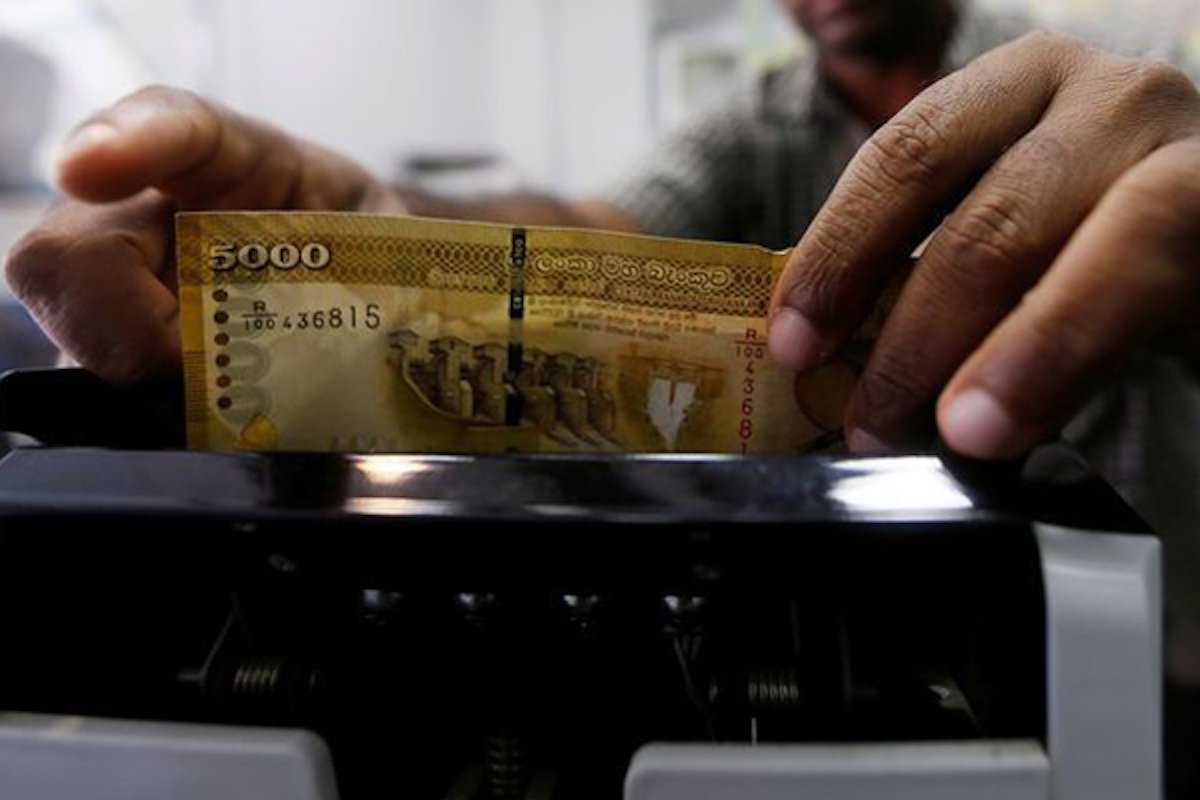
Beyond Transparency: A Horizontal Model for Sovereign Debt Crises in Asia
Traditional anti-corruption strategies fail in sovereign debt crises. A horizontal enforcement model, tested in Sri Lanka and Bangladesh, le
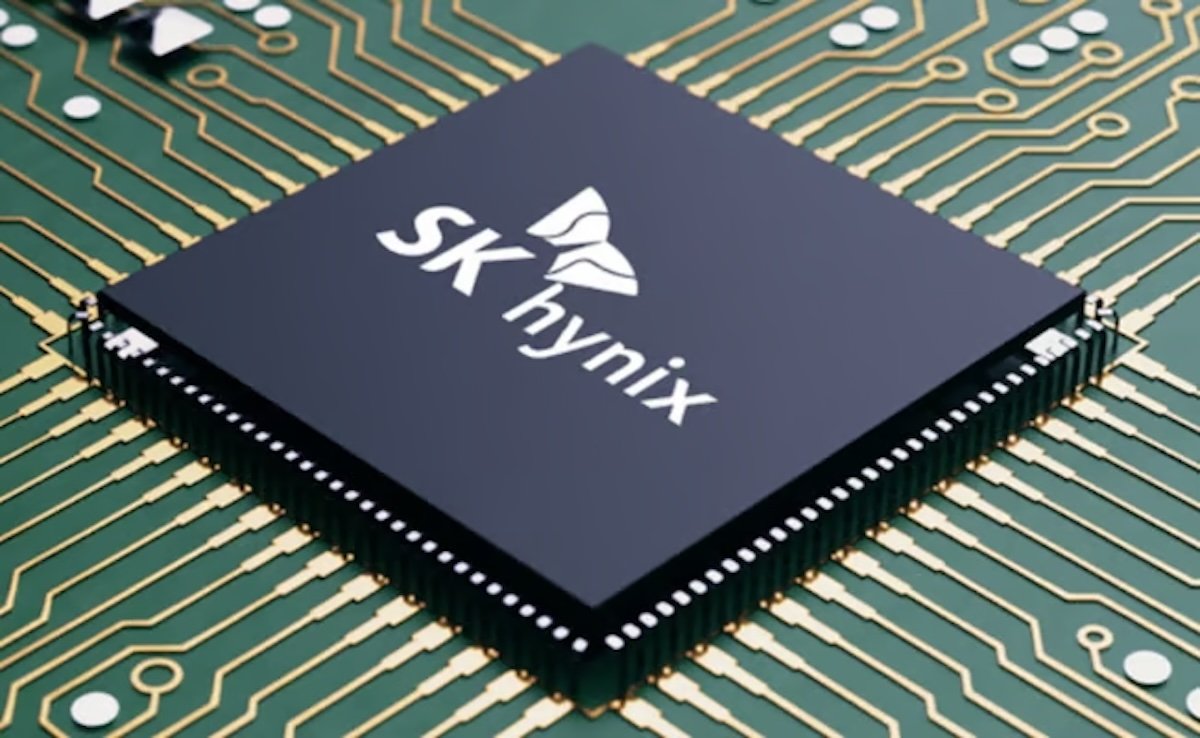
Broadcom's Miss and Seoul's 8% Plunge: AI Investors Face a Market Reality Check
Broadcom's slight revenue miss sparked a brutal sell-off, wiping 8% from South Korea's KOSPI and $1.8 trillion from the S&P 500. The reactio
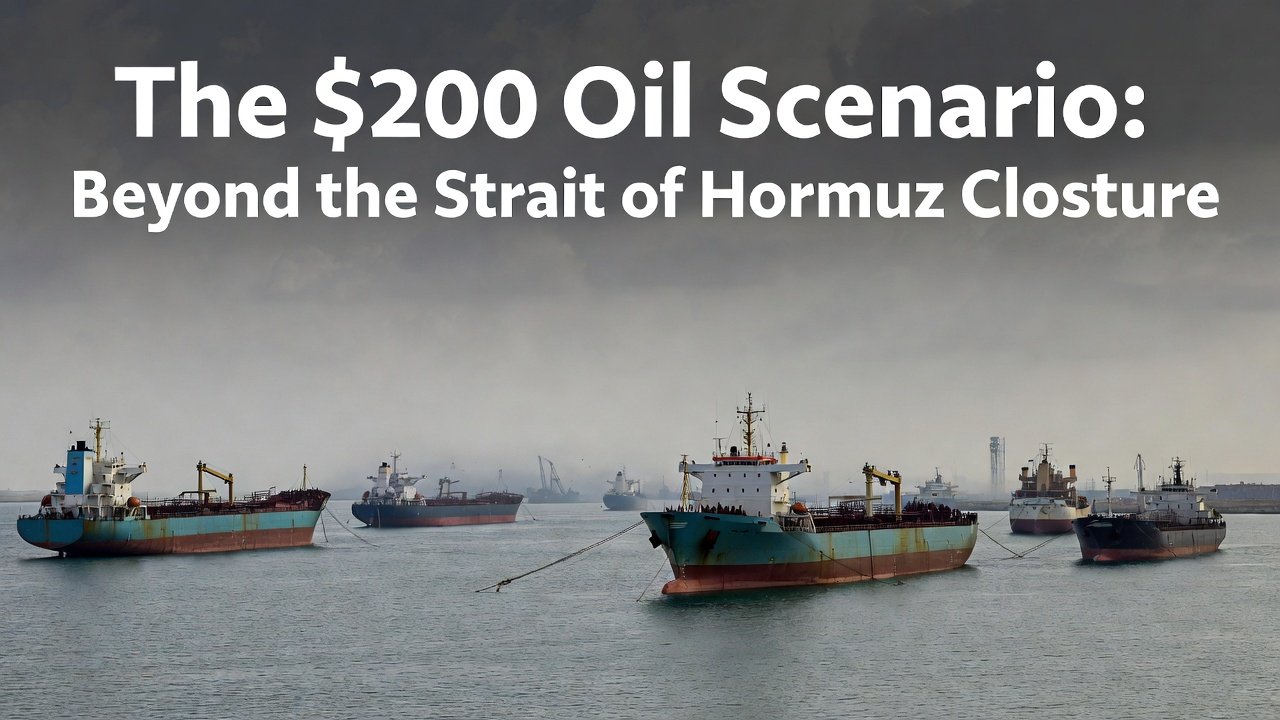
Global Oil Reserves Nearing Operational Floor; $200/Barrel Possible Without Hormuz Deal
The IEA reports global oil demand destruction of 2.45 million barrels per day in Q2. Reserves are falling fast, and without a Hormuz deal, p