Hong Kong's government has projected a modest budget surplus for the fiscal year ending March 2026, a figure that belies severe underlying pressures on the city's public finances. Financial Secretary Paul Chan announced an estimated surplus of HK$2.9 billion (US$372 million), a reversal from a previously forecast deficit of HK$67 billion. Fiscal reserves are expected to edge up to HK$657.2 billion.
Chan attributed the improvement to a "buoyant equity market and accelerated economic growth," which boosted stamp-duty revenue from stock trading to HK$99.5 billion—HK$31.9 billion above initial estimates. However, analysts note this revenue stream is highly cyclical. The surplus was also aided by expanded government bond issuance and the reallocation of special funds, raising questions about its sustainability.
The Collapse of a Fiscal Pillar
The core of Hong Kong's fiscal challenge is the dramatic and likely permanent decline in revenue from land sales, long a cornerstone of its budget. In the five years preceding March 2021, land premiums generated an average of HK$128 billion annually. This revenue remained resilient even during the 2019 social unrest and the COVID-19 pandemic.
The picture changed fundamentally with the collapse of China's property market in late 2021. Over the three fiscal years ending March 2026, land revenue has averaged a mere HK$16.8 billion per year. This represents an annual shortfall of roughly HK$110 billion compared to the pre-crisis norm—a gap that has forced a fundamental rethink of Hong Kong's fiscal model.
Rising Expenditure Amid a Shrinking Base
As land revenue evaporated, government spending has climbed. Capital expenditure, driven by Beijing's push for increased infrastructure and technology investment, rose 27% year-on-year to HK$155 billion in 2024/25 and is budgeted to increase another 21% to HK$187 billion in 2025/26. This adds an estimated HK$60-70 billion in annual spending compared to pre-2021 levels.
Operating expenses have also proven difficult to curb, remaining elevated at around HK$600 billion annually due to high civil service pay and recurrent outlays. The city recorded an operating deficit of HK$73 billion in 2024/25. Combined, the loss of land revenue and increased spending points to a structural fiscal gap of approximately HK$250 billion per year.
Borrowing to Bridge the Gap
To finance this shortfall, Hong Kong has significantly ramped up debt issuance. From an initial HK$7.8 billion in bonds issued in 2019/20, the government plans to issue HK$155 billion in 2025/26, with HK$52 billion used to repay maturing debt. Financial Secretary Chan defended the strategy, stating the government debt-to-GDP ratio would rise from 14.4% to 19.9% over five years—a level he called "highly prudent" and below most advanced economies. He reiterated that bond proceeds are earmarked for infrastructure, not recurrent expenditure.
Credit rating agencies are watching closely. Fitch Ratings noted Hong Kong's fiscal balance sheet is "continuing to erode but remains very strong." It projects annual debt issuance will average HK$177 billion from 2025/26 to 2029/30 to fund infrastructure, leading to a gradual build-up of liabilities. Fitch also highlighted that fiscal reserves, a key credit strength, are projected to decline to about 14% of GDP by 2029/30 from a pre-pandemic peak of 41%.
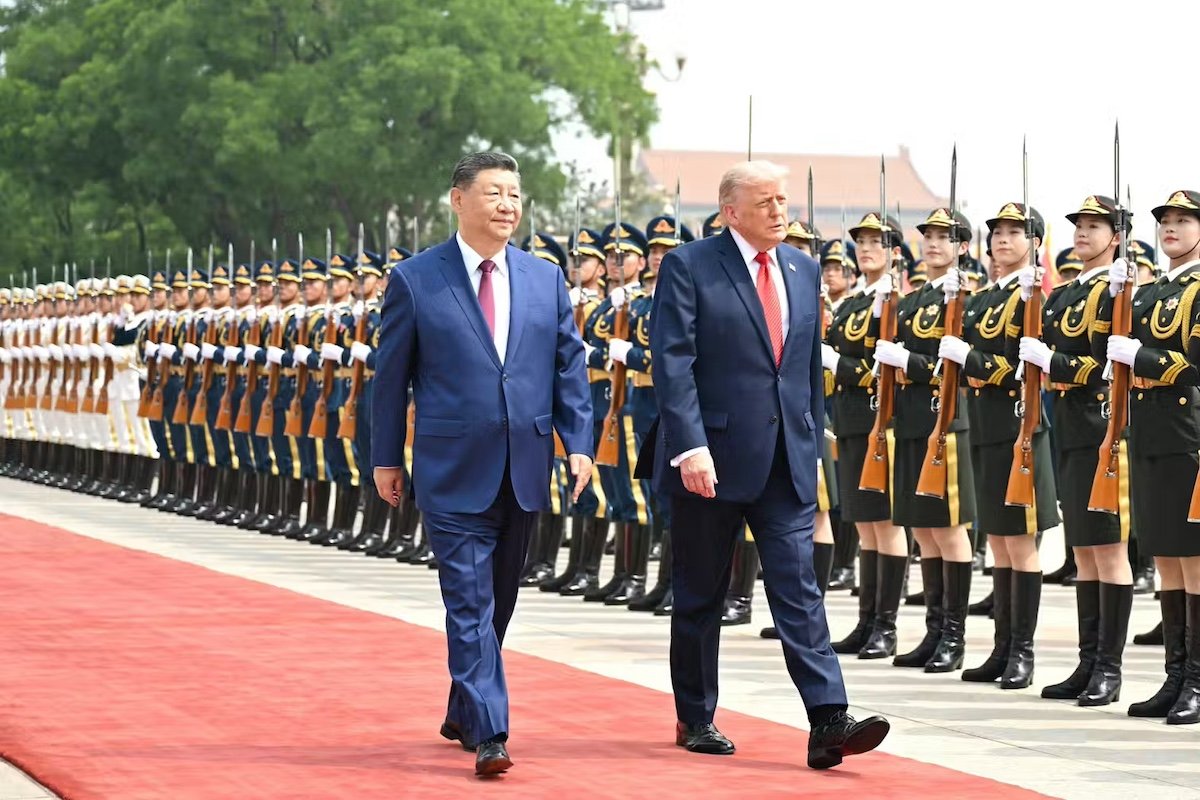
The fiscal pressures have drawn attention from Beijing. During a meeting with Chinese President Xi Jinping in December 2024, Hong Kong Chief Executive John Lee stated the government aimed to eliminate deficits within three to five years. Reports suggest Beijing was dissatisfied with this timeline and urged a faster resolution.
Hong Kong's immediate fiscal reprieve hinges on volatile income sources like stamp duties and profits tax, which are tied to global market sentiment. The city's financial health is increasingly linked to broader geopolitical and economic currents, such as the competition between the US and China to build strategic supply chains in sectors like fusion energy, which could influence capital flows. Furthermore, regional stability remains a concern, as protracted conflicts, like the potential stalemate between the US, Iran, and Israel, can impact investor confidence in financial hubs like Hong Kong.
The projected surplus offers a temporary facade of stability. The underlying reality is a structural deficit that demands a sustainable long-term strategy beyond one-off revenues and increased borrowing, challenging Hong Kong's traditional low-tax, land-revenue-dependent fiscal framework.