For weeks, New Delhi has maintained a deliberate posture of restraint as the crisis in the Strait of Hormuz escalated. That restraint was not indecision but a calculated adherence to strategic autonomy—a principle that has long guided Indian foreign policy. With the situation fluid and outcomes uncertain, premature alignment carried significant risks. India stayed engaged but unobtrusive, keeping channels open with all parties while avoiding public positioning.
That phase is now ending. The disruption of the Strait of Hormuz has moved from a distant strategic concern to an immediate economic threat. Shipping has slowed sharply, insurance costs have surged, and global energy markets are under visible stress. For India, which relies heavily on energy imports transiting this chokepoint, the consequences are direct: higher fuel prices, inflationary pressure, currency stress, and broader macroeconomic instability.
Shared Responsibility for the Crisis
Both Iran and the United States bear responsibility for the current situation. Iran has sought to leverage the chokepoint by restricting access and raising transit costs. The United States, through its military response and countermeasures, has contributed to an escalatory cycle that makes normal passage increasingly untenable. The result is a virtual blockade that imposes costs not just on adversaries but on the global economy.
Iran cannot simultaneously invoke civilizational bonds with India and contribute to a disruption that directly threatens India's energy security. If those ties are meaningful, they must be reflected not in rhetoric but in ensuring that countries like India are not collateral damage in a larger strategic contest.
The crisis is further complicated by its entanglement with great-power competition. The United States is actively targeting Iranian oil flows, knowing that 80 percent of that oil is absorbed by China. Between Iran's chokepoint leverage and America's economic squeeze, global energy markets are being pulled into a broader strategic contest. For India, the implications are immediate, severe, and real.
Has India's Threshold Been Breached?
This raises an unavoidable question: has India's threshold for action been breached? The answer is nuanced. India has certainly crossed the threshold of economic pain, but crossing the threshold for strategic intervention is a different matter. Acting too early risks entanglement in a volatile conflict shaped by the unpredictable leaderships of the United States and Iran, shifting objectives, and great-power rivalry. Acting too late risks economic damage that becomes progressively harder to manage.
The challenge for New Delhi is not whether to act, but how to act without abandoning the principle of strategic autonomy. Strategic autonomy does not mean inaction; it means retaining the ability to choose one's level and mode of engagement. The task now is to translate that autonomy into targeted, interest-driven action.
Priorities for Action
The first priority must remain energy security. India will need to aggressively diversify sourcing, draw upon strategic reserves, and negotiate alternative supply arrangements, even at higher cost. This is not a matter of diplomacy but of economic necessity. The disruptions also threaten fertilizer supply and food prices across Asia, compounding the challenge.
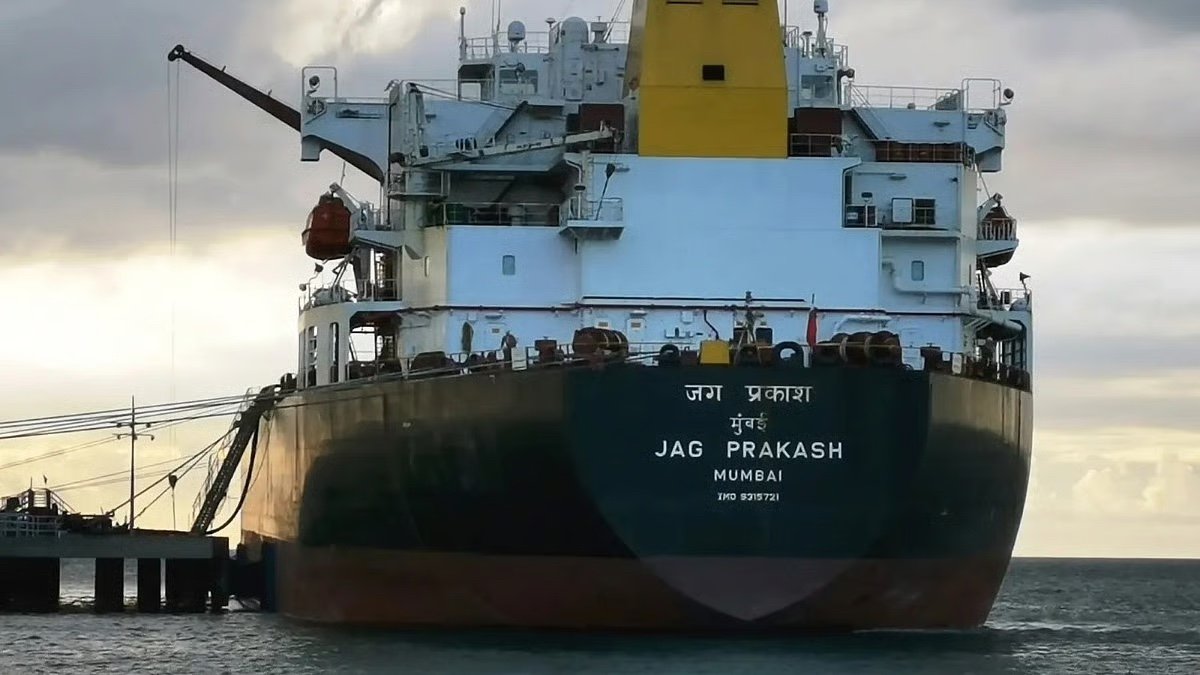
The second priority is maritime security. Without crossing into overt alignment, India can expand its naval presence in the Arabian Sea, enhance escort mechanisms for Indian shipping, and coordinate quietly with other navies to ensure safe passage. The US-Iran stalemate in Hormuz is already straining alliances and reshaping Asian energy security.
The third domain is calibrated diplomacy. This is not the moment for grand mediation. The risks of failure are too high, and the behavior of the principal actors and their endgames are too unpredictable. Instead, India can focus on narrower, issue-based engagement: pushing for limited maritime de-escalation, advocating safe shipping corridors, and using back-channel diplomacy to secure assurances where possible.
There is also space for a more proactive, if unconventional, role. India could explore a limited, multilateral maritime safety mechanism focused exclusively on commercial shipping through Hormuz. France has begun spearheading a multilateral effort to secure commercial shipping through the Strait of Hormuz and has reportedly invited India to participate.
What India should avoid is the temptation to respond to optics. Pakistan's recent diplomatic visibility, while notable, does not alter the underlying balance of influence. Nor does it justify a shift toward high-visibility, high-risk engagement. In a crisis of this nature, the ability to manage exposure matters more than the ability to command attention.