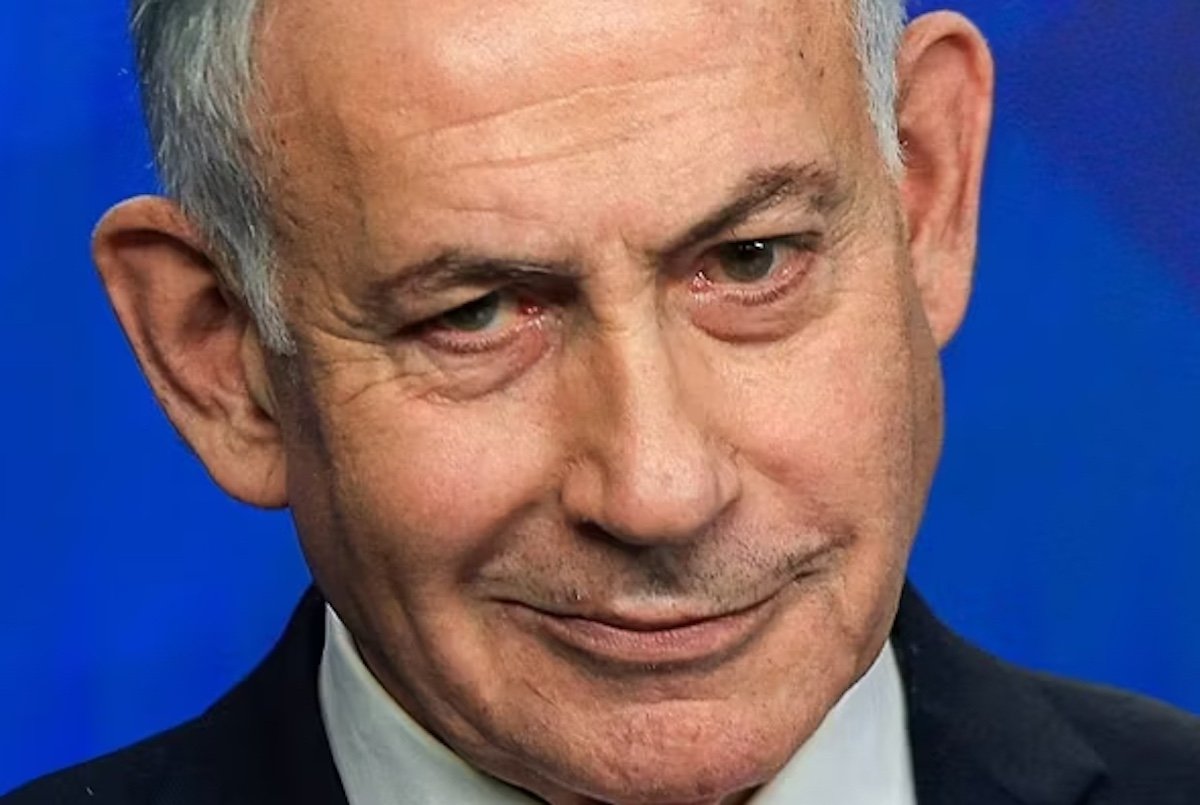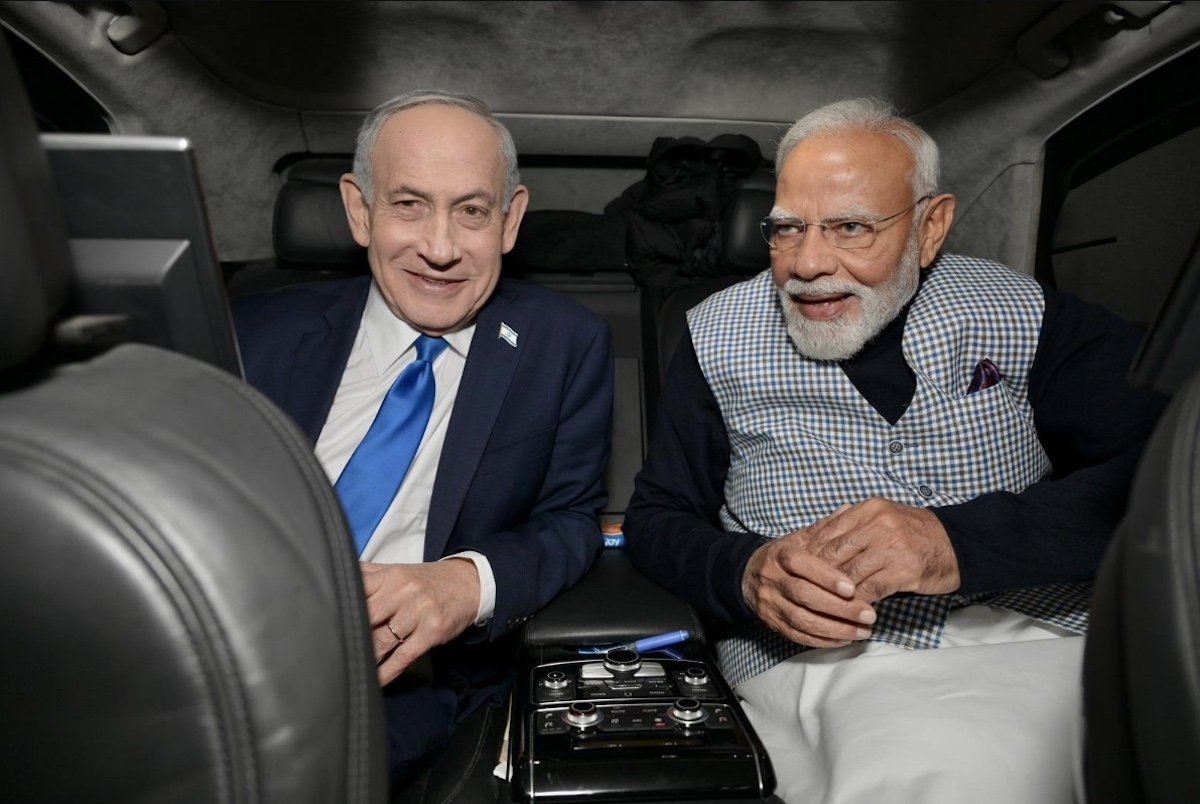
In February 2026, Israeli Prime Minister Benjamin Netanyahu introduced what may be his most ambitious foreign policy initiative to date: a “hexagon of alliances” designed to counter emerging rival blocs across the Middle East and beyond. Announced ahead of Indian Prime Minister Narendra Modi’s visit to Israel, the framework aims to unite nations sharing democratic values, technological prowess, and a wariness of regional instability.
At its core lies a triangular relationship among Israel, India, and Greece—three countries with deepening defense and technology ties. Netanyahu identified India as the most critical partner, a rising global power linking Asia with the Mediterranean. The hexagon also envisions participation from Cyprus, moderate Arab states, certain African powers, and unspecified Asian nations.
Strategic Logic Behind the Hexagon
The proposal did not emerge in isolation. It follows the September 2025 Strategic Mutual Defense Agreement between Pakistan and Saudi Arabia, part of a broader alignment that includes Turkey and Egypt—often dubbed an “Islamic NATO.” Facing this emerging bloc, Netanyahu seeks to build a counter-architecture rooted in economic interdependence and shared security interests.
Netanyahu framed the alliance explicitly: “An axis of nations that see eye-to-eye on the reality, challenges, and goals against the radical axes, both the radical Shia axis, which we have struck very hard, and the emerging radical Sunni axis.” This dual-front framing is unusual, positioning Israel not merely as a defender but as a would-be organizer of a new regional order.
The India-Israel leg has real substance. India is Israel’s largest defense export client, reflecting strong strategic trust. Their tech ecosystems complement each other, making joint ventures valuable. For Modi, the visit carried weight, though New Delhi has carefully avoided formal alliance commitments. Similarly, the Greece-Israel leg is grounded in recent history: in December 2025, Israel hosted Greece and Cyprus for trilateral talks that have expanded from energy to security, including Greece’s purchase of 36 PULS rocket artillery systems from Israel worth approximately US$760 million.
Structural Obstacles
Despite its ambition, the hexagon faces serious hurdles. India’s position is the most delicate. Deepening ties with Israel and Mediterranean partners risks alienating Iran, with whom New Delhi has traditionally warm relations. India also maintains expanding strategic ties with Saudi Arabia, one of the states Netanyahu implicitly frames as part of a rival bloc. India’s famed strategic autonomy is not easily squared with membership in an explicitly anti-axis coalition.
Greece, while a key partner, has been pursuing a cautious rapprochement with Turkey, its NATO ally. Athens cannot afford to antagonize Ankara indefinitely. Critics also challenge Netanyahu’s binary framing of the region as divided between “radical” and “moderate” blocs. Several Sunni-majority states have coordinated diplomatically in response to Israel’s actions, including joint statements condemning Israeli strikes on Syria and the Gaza conflict. The reality is far more fluid and multipolar.
Netanyahu’s doctrine also risks deepening regional polarization, giving Israel’s rivals greater incentive to coordinate. As Trump's Leaked Fury at Netanyahu suggests, even US-Israel ties are not immune to friction, complicating any alliance-building effort.
What the Doctrine Reveals
Whatever the hexagon’s ultimate fate, its articulation signals that Israel, after years of military operations, seeks to reposition itself as a coalition-builder rather than a lone actor. It reflects a conviction that the post-Gaza regional order will be defined by competing alliance systems, and that Israel must anchor itself within one before the architecture solidifies against it.
Yet the doctrine’s success depends less on Netanyahu’s vision than on the choices of its prospective partners, above all India. New Delhi’s studied ambiguity so far suggests that while the idea has appeal, India intends to shape any arrangement on its own terms—or not at all. As Bangladesh's JF-17 Fighter Deal shows, India’s security calculus is increasingly complex, spanning multiple fronts.
In a fragmenting world order, bilateral ties alone may not be sufficient. Networks matter. But Netanyahu’s axis-vs-axis bet risks hardening the very divides it seeks to overcome, potentially drawing deeper and deadlier rifts across the Indo-Pacific and beyond.