The United States has imposed fresh sanctions on a group of companies and individuals tied to mainland China and Hong Kong, accusing them of assisting Iran in acquiring materials for drones and ballistic missiles. The action, announced on May 8 by the US Treasury Department's Office of Foreign Assets Control (OFAC), targets 10 entities across the Middle East, Asia, and Eastern Europe under what Washington calls its 'Economic Fury' campaign against Tehran.
The sanctions aim to disrupt networks that the US says supply Iran's military with components for Shahed-series unmanned aerial vehicles and ballistic missiles. The State Department simultaneously designated four additional entities for their links to Iran's conventional arms activities. Among those targeted are Chinese firms accused of providing aerospace-grade materials, procurement support, weapons-related financing, and satellite imagery to Iranian military programs.
Sanctions Detail and Allegations
The China- and Hong Kong-linked designations fall into several categories. Hitex Insulation Ningbo Co Ltd and its legal representative Li Genping are accused of supplying or attempting to supply millions of dollars' worth of carbon fiber and honeycomb fabric to Iran-linked Pishgam Electronic Safeh Company. Yushita Shanghai International Trade Co Ltd, AE International Trade Co Ltd of Hong Kong, and HK Hesin Industry Co Ltd are alleged to have supported procurement for the Center for Progress and Development of Iran (CPDI), a US-designated entity. Mustad Ltd is accused of facilitating financial transactions tied to the Islamic Revolutionary Guard Corps' weapons procurement. Additionally, Meentropy Technology Hangzhou Co Ltd (MizarVision) and The Earth Eye Co (Beijing Mumei Starry Sky Technology Co Ltd) are accused of providing satellite imagery support for Iranian military activity.
The satellite imagery allegations follow a Financial Times report on April 15 that Iran had secretly acquired a Chinese-built satellite, TEE-01B, launched from China and acquired in late 2024, giving the IRGC Aerospace Force new targeting capabilities. Beijing has denied these claims. The May 8 sanctions do not address other recent reports, such as those from The Washington Post in early March about suspected rocket-fuel precursor shipments from China to Iran, or The Telegraph's April 3 report on sodium perchlorate shipments at Iranian ports.
Timing and Political Context
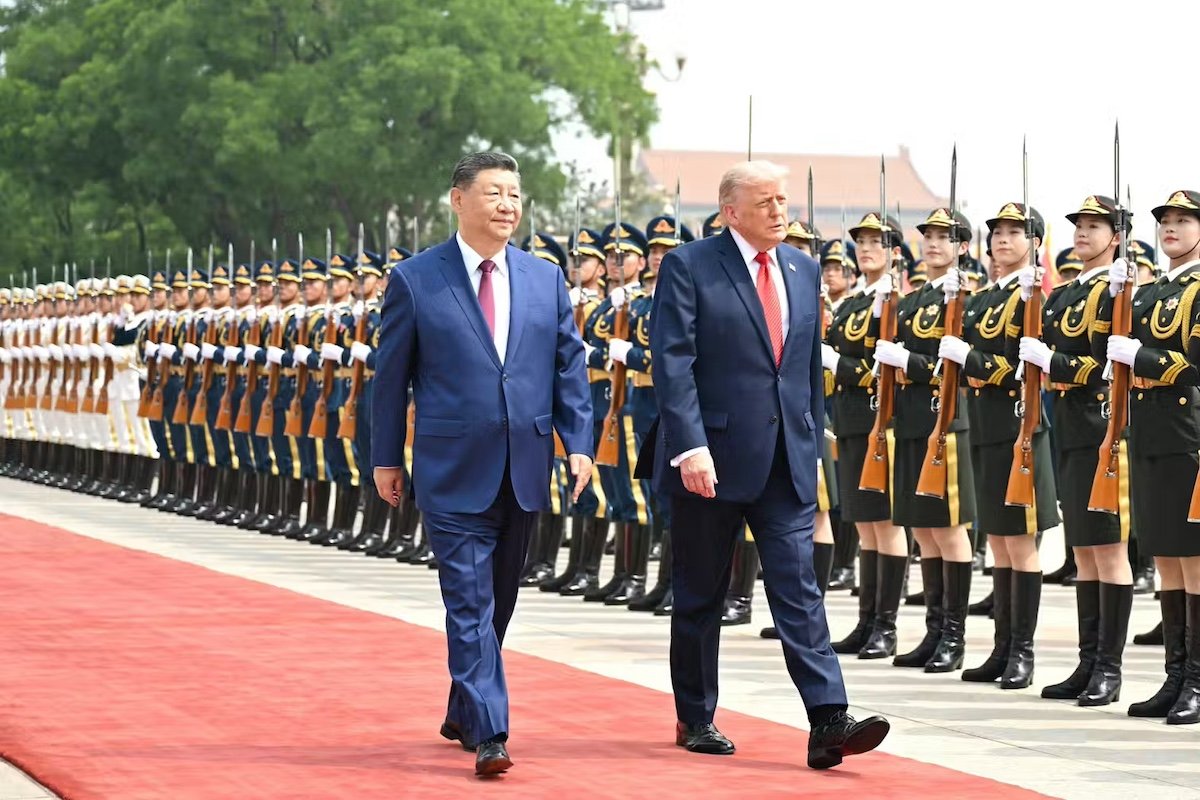
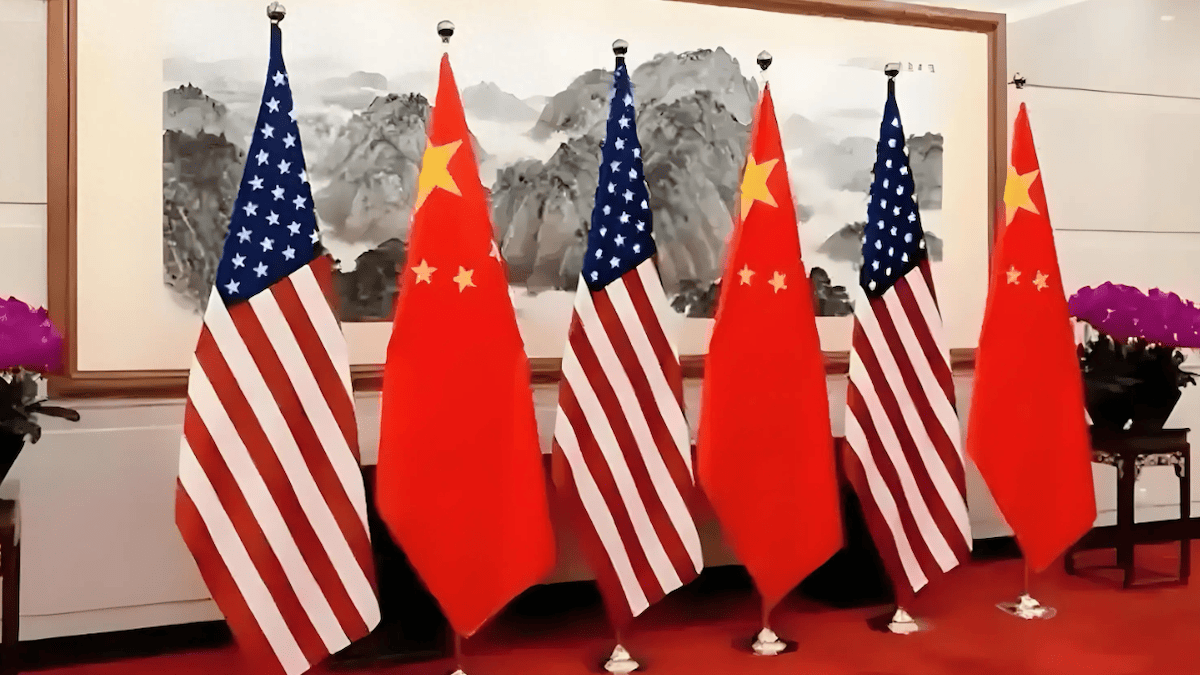
The sanctions come just days before President Donald Trump's state visit to Beijing, scheduled from Wednesday to Friday, for talks with Chinese President Xi Jinping. Iran, Taiwan, trade, and export controls are expected to dominate the agenda. Beijing confirmed the visit on Monday, with Foreign Ministry spokesperson Guo Jiakun stating that 'heads-of-state diplomacy is important in guiding China-US relations' and that China is ready to 'expand cooperation, manage differences, and provide more stability in a volatile world.'
However, the sanctions have cast a shadow over the summit. A Shandong-based columnist using the pen name 'Xiaoliu' wrote, 'The US seems to believe that, with Trump's China visit already scheduled, it can add sanctions to increase its bargaining chips, whether China is happy about it or not.' She added, 'China's swift and forceful legal countermeasures, together with Iran's confident response, show that the other side does not intend to follow Washington's script.'
A Guangdong-based writer surnamed Chen noted, 'This is not the first time the US has taken such unilateral action on the eve of high-level exchanges. Before past bilateral meetings, Washington has often used sanctions or tough rhetoric to create leverage.'
The sanctions go further than previous actions, which focused on Iranian oil purchases, by targeting Iran's weapons supply chain. This follows Trump's April 8 warning that any country supplying military weapons to Iran would face a 50% tariff on all goods sold to the US, with 'no exclusions or exemptions.'
For more context on the strategic dynamics, see our analysis of Trump's Beijing Summit: A Weak Hand Meets Xi's Strategic Patience and the broader implications of Trump-Xi Summit May Codify New Rules for US-China Coexistence.