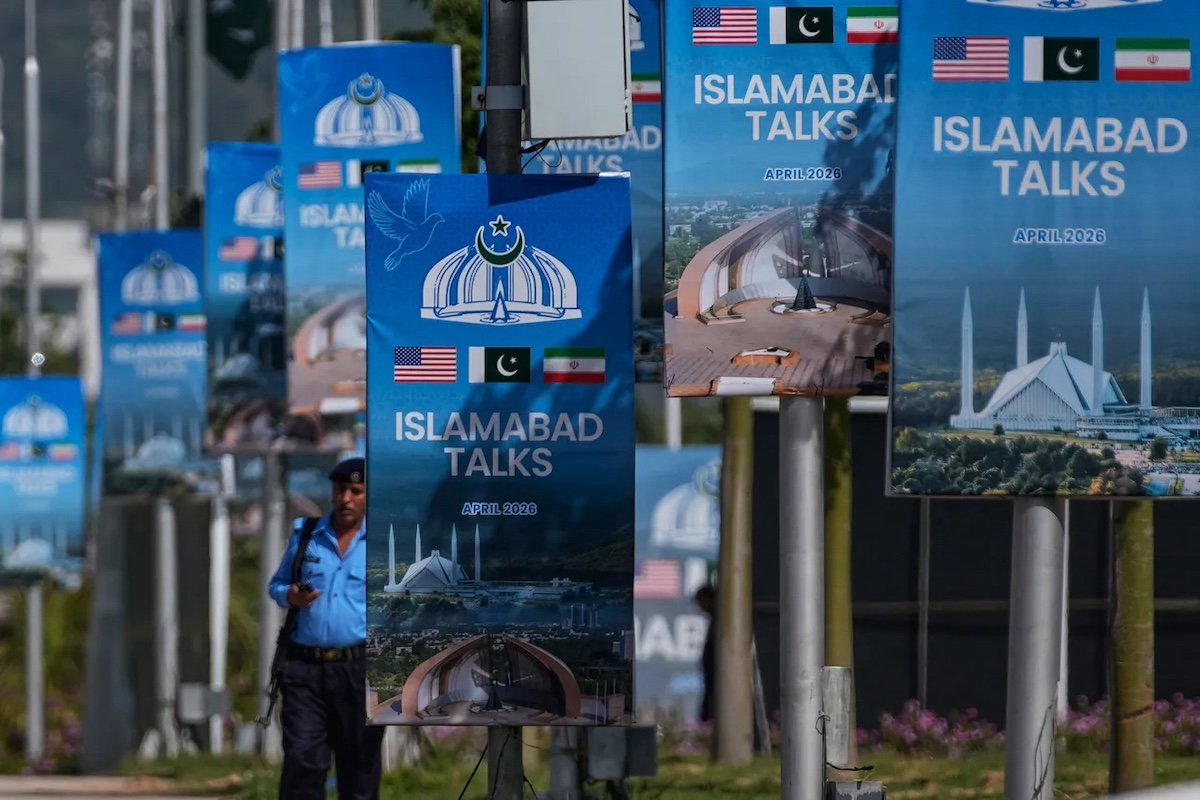
Recent diplomatic maneuvers positioning Pakistan as a potential mediator in the escalating Middle East conflict reveal less about Islamabad's growing global stature and more about its profound internal vulnerabilities and strategic constraints. While Western powers seek exits from a prolonged war, Pakistan's involvement appears driven by desperation to avoid catastrophic regional spillover that could destabilize its fragile political and economic foundations.
A Convenient Mediator for a Prolonging Conflict
The United States and its allies, facing unexpected complications in what was anticipated to be a brief Middle Eastern conflict, are increasingly seeking diplomatic off-ramps. Iran's sustained response—targeting military, commercial, and energy infrastructure—has expanded the war both horizontally and vertically. The strategic blockage of the Strait of Hormuz and subsequent global oil price surge has accelerated fears of a worldwide recession, with further escalation possible at Bab el-Mandeb.
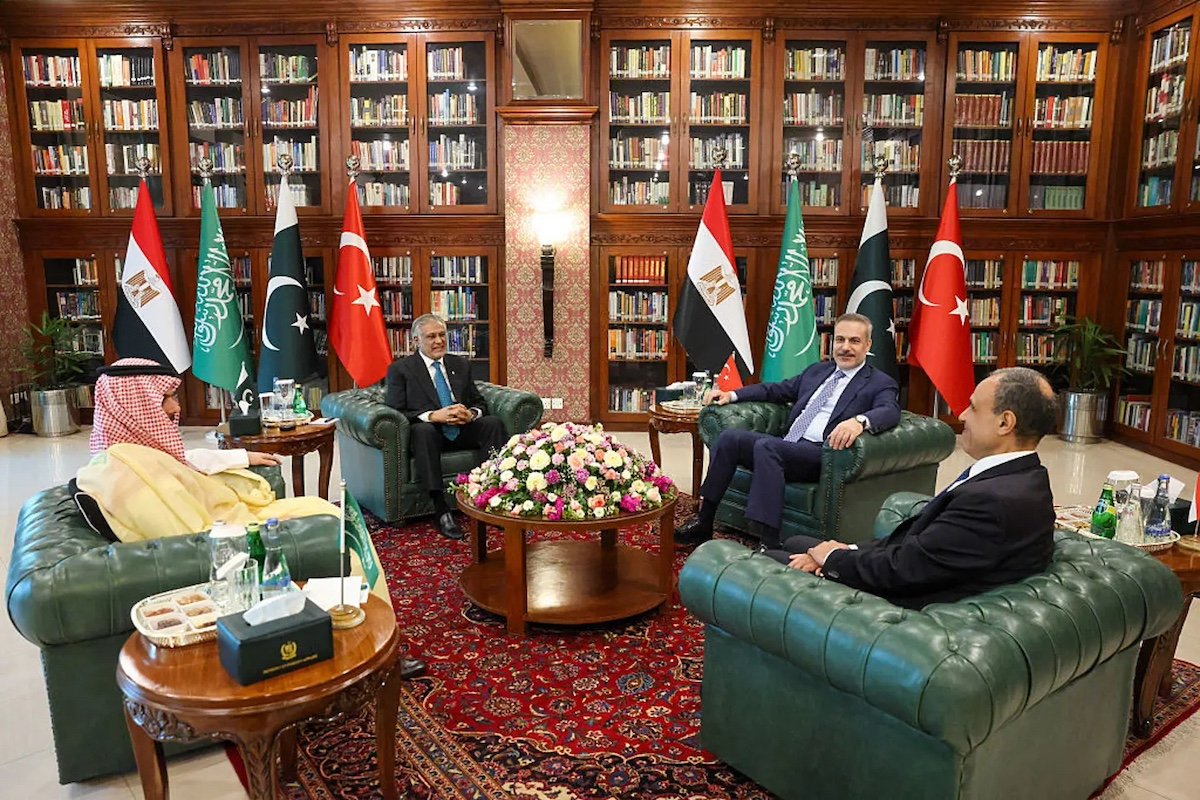
Within this context, a recent meeting in Islamabad involving regional actors like Turkey, Saudi Arabia, and Egypt served a preparatory function. Notably absent were the primary conflict parties: Iran, the United States, and Israel. This highlights the meeting's exploratory nature rather than substantive negotiation. Many traditional Gulf mediators, including Qatar, Oman, and Bahrain, are now active stakeholders after suffering Iranian strikes on their territory, leaving a diplomatic vacuum that Pakistan is being urged to fill.
Pakistan's Compelling Internal Pressures
Several critical factors explain why Pakistan is compelled to engage, despite lacking traditional mediator credentials. First, a mutual defense pact with Saudi Arabia containing a NATO-like collective security clause creates direct entanglement risks. If conflict prolongs, Pakistan could be treaty-bound to join on Riyadh's side—a prospect Islamabad desperately wants to avoid given its depleted resources.
Second, Pakistan's domestic landscape is highly sensitive to regional sectarian dynamics. The country hosts one of the world's largest Shia populations outside Iran. The death of Supreme Leader Ali Khamenei at the war's outset triggered protests across Pakistan, resulting in 26 to 35 fatalities in regions including Gilgit-Baltistan. Army Chief General Asim Munir's blunt warning to pro-Iran demonstrators—"If you love Iran so much, why don't you go to Iran"—underscores state anxiety about sectarian violence erupting from foreign conflicts.
Third, Pakistan's 900-kilometer border with Iran presents acute security challenges. Instability in Iranian Balochistan could exacerbate Pakistan's own longstanding insurgency problems along the porous frontier. A hostile or collapsed Iranian state would directly threaten Pakistan's internal security architecture.
As Michael Kugelman, director of the South Asia Institute at the Wilson Center, observed: "At a moment when Pakistan is experiencing some of its most serious internal turmoil in years if not decades, the last thing it can afford is more escalations and a heightened risk of conflict with Iran. For Pakistan to be locked in serious tensions with not one or two but three neighbors—it's a geopolitical worst-case scenario, bar none."
Economic Vulnerability Limits Strategic Options
Pakistan's economic crisis fundamentally constrains its diplomatic autonomy. The country remains dependent on International Monetary Fund bailouts and Gulf financial support, including deferred oil payments from Saudi Arabia. Prime Minister Shehbaz Sharif recently reinstated austerity measures reminiscent of pandemic restrictions, cutting public spending, closing educational institutions, and canceling national events including the Republic Day parade.
Sharif himself articulated the humiliation of this dependence: "We feel ashamed when General Asim Munir and I go around the world begging for money. Taking loans is a huge burden on our self-respect. Our heads bow down in shame." This economic fragility leaves Pakistan with limited capacity to resist external pressures to mediate, even as the global financial architecture undergoes reassessment amid shifting power dynamics.
Fifth, Pakistan fears that prolonged conflict could accelerate a global energy transition that further marginalizes its economy. As the world shifts from fossil fuels, regional instability might fast-track alternatives, diminishing the strategic value of Pakistan's location and relationships.
The broader strategic picture reveals Pakistan's mediation bid as essentially defensive—an attempt to prevent regional escalation that could trigger multiple existential threats simultaneously. With its economy in crisis, sectarian tensions simmering, and security challenges mounting along both eastern and western borders, Pakistan lacks the strategic depth to weather another major conflict. Its diplomatic outreach represents not the confidence of a rising power, but the calculated survival instincts of a state navigating what analysts describe as its most fragile moment in decades.