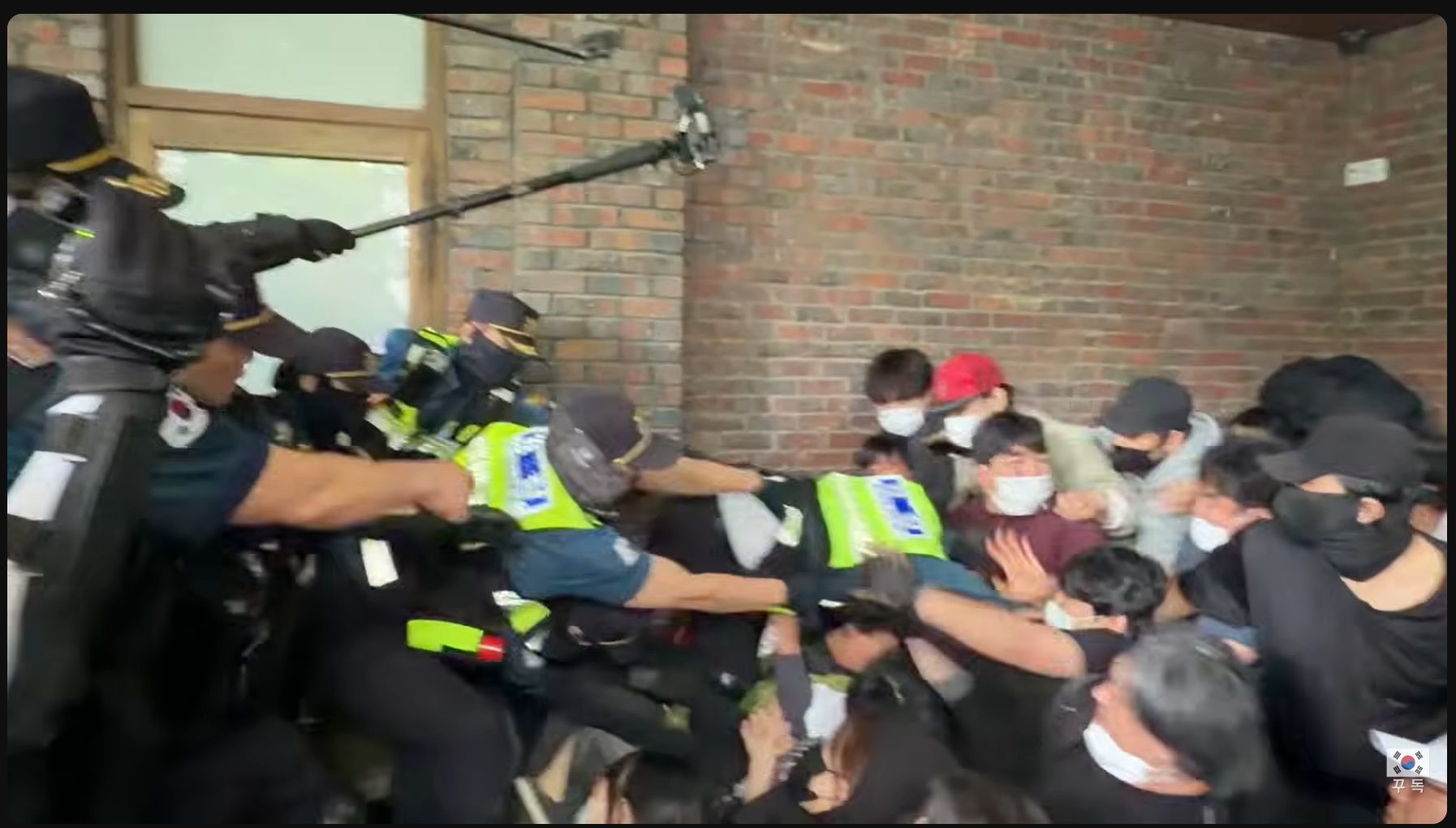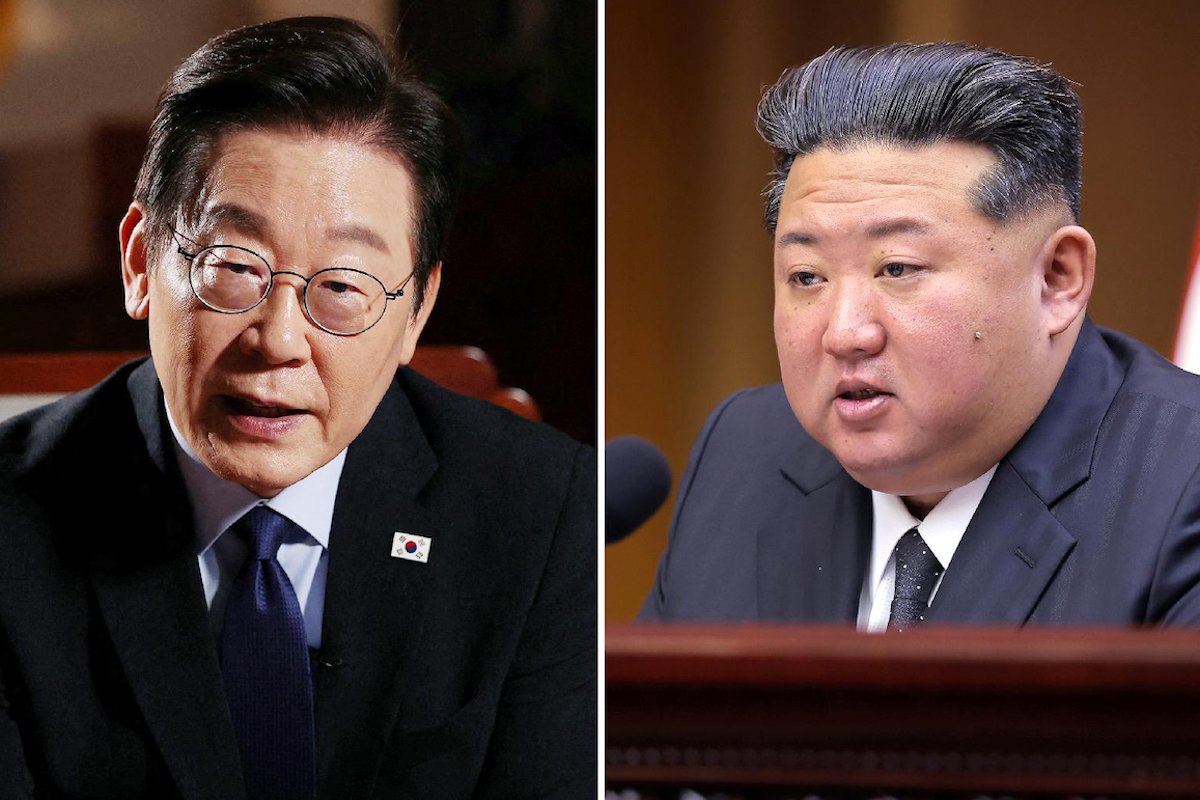
Recent events—the explosion of a North Korean landmine in the Demilitarized Zone and the repatriation of North Korean soldiers captured in Ukraine—have jolted South Korean media back to intensive coverage of the North, after years of relative neglect. The trigger is growing public frustration, even among moderates, with the government's passive and defensive responses. The administration of President Lee Jae-myung seems to be clinging to a nostalgic vision of inter-Korean engagement, harking back to the Sunshine Policy of the Roh Moo-hyun era (2003-08).
That policy, which sought to thaw relations through engagement and aid, was revived in spirit during the so-called “Korean Peninsula Spring” of 2018-19 under President Moon Jae-in. But that experiment ended in failure—winter followed, not summer. The current reactions to the landmine incident and the POW issue suggest that progressives have not fully absorbed how profoundly the geopolitical landscape has shifted.
The world has changed
Even if Seoul exercises patience and restraint, there is virtually no chance that such gestures will yield positive results. I once supported the Sunshine Policy, but reviving it is no longer feasible. The primary reason is the escalating confrontation between the United States and China, which is splitting the world into rival blocs. In the early 2000s, terms like “Chimerica” and “G2” captured the amicable spirit of US-China relations. Today, the two superpowers are locked in a new Cold War that could last for decades.
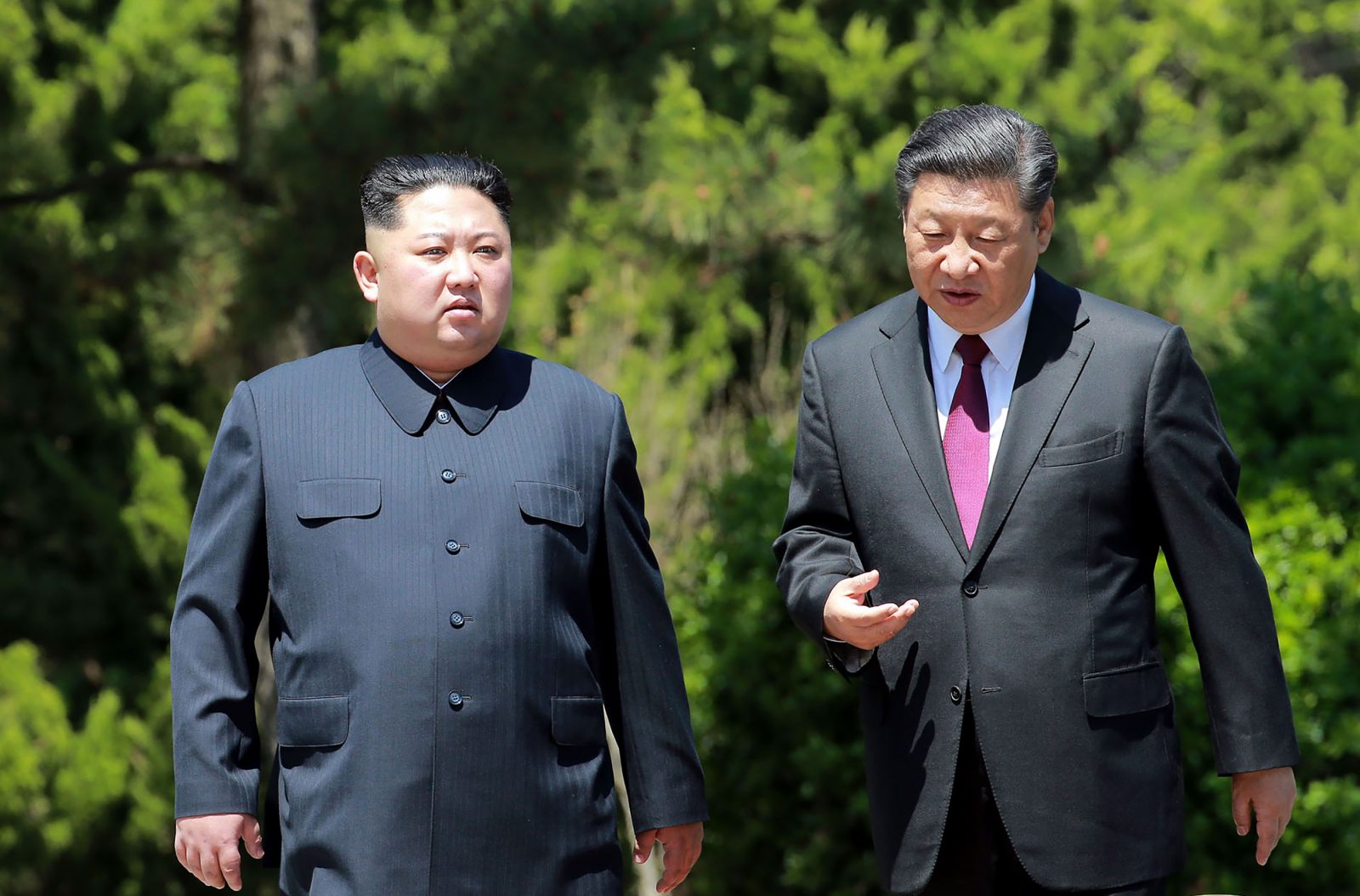
North Korea has historically been adept at exploiting great-power rivalries. During the original Cold War, it skillfully played the Sino-Soviet split to extract massive aid from both communist giants. Now, with the US-China rivalry intensifying, Pyongyang finds itself once again in a familiar and advantageous position. China and Russia are actively supporting the Kim Jong Un regime, providing both diplomatic cover and economic lifelines.
During the Sunshine Policy era, the international environment was different. Rivalries were milder, and neither Beijing nor Moscow saw much reason to prop up Pyongyang. Deprived of reliable patrons, North Korea had to seek assistance from Seoul, especially when progressive governments came to power. The North could extract large amounts of aid with relative ease, even though such contacts posed risks—exposing ordinary North Koreans to the South's prosperity could breed discontent.
But today, the calculus has changed. North Korea has firmly shut its doors to the outside world. Last year, it admitted only Russian citizens—a mere 5,100 tourists. Foreign NGOs that left during the pandemic have no prospect of returning. From Pyongyang's perspective, this isolation is rational: every foreigner is a potential threat, and South Koreans are particularly dangerous. In the past, Pyongyang tolerated their presence out of necessity; now, with Chinese and Russian support, that necessity has vanished.
The financial backing is substantial. Over the past three years, North Korea has earned more than $20 billion from arms exports to Russia, which is also providing political and economic support. This new patronage means Pyongyang can afford to ignore Seoul's overtures. The old song of engagement, once a lifeline, is now just noise.
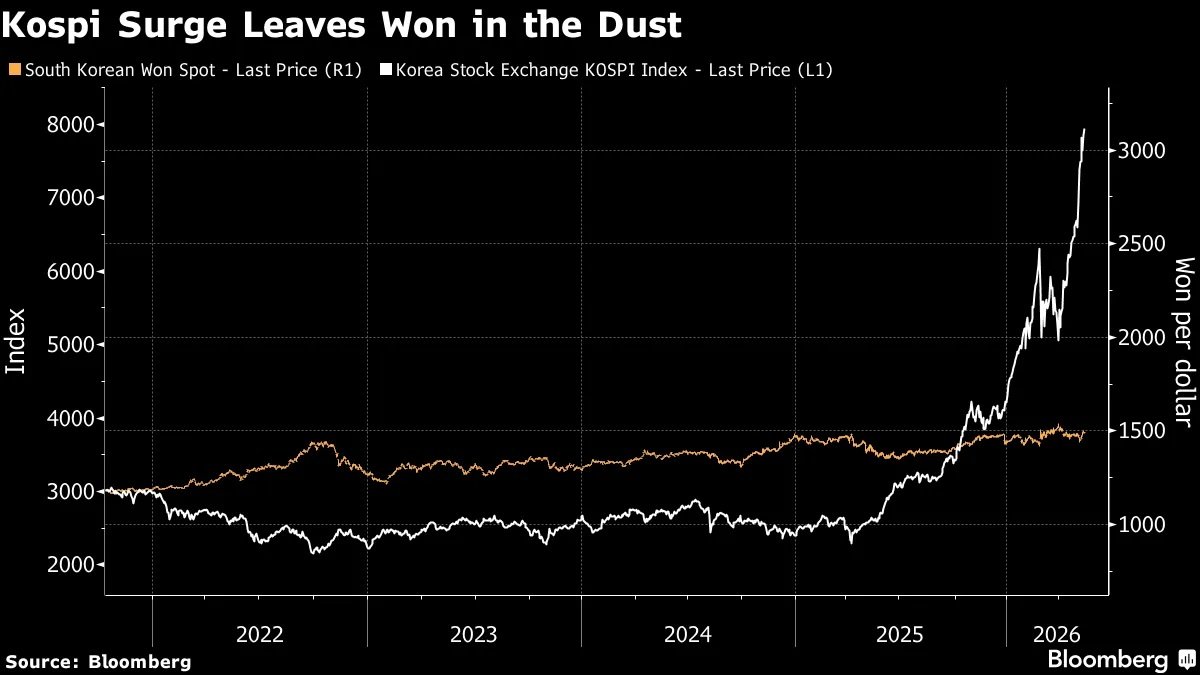
For Seoul, the lesson is clear: the Sunshine Policy is a relic of a bygone era. The Lee Jae-myung administration must adapt to the new reality, where North Korea is more isolated but also more self-sufficient, thanks to its powerful allies. As the region grapples with these shifts, other dynamics are also at play—for instance, Seoul and Taipei markets shine while Western fiscal haze lingers, and China and Russia quietly build a new Arctic shipping axis, further entrenching their partnership. The era of easy engagement is over; what remains is a hard-nosed strategic competition.