When Elbridge Colby, the US Under Secretary of Defense for Policy, addressed the Strategic Command Deterrence Symposium on August 5, he outlined plans to give the president more “sensible nuclear options,” including a greater emphasis on low-yield warheads for regional contingencies. Although his remarks were aimed at China and Russia, they raised a pointed question in Seoul: could American tactical nuclear weapons return to the Korean Peninsula?
A new opinion survey suggests South Koreans are also asking a more fundamental question about the credibility of US extended deterrence—and the answers are not entirely reassuring for Washington.
A changed nuclear landscape
The United States stationed nuclear weapons in South Korea from 1958 to 1991, peaking at roughly 950 warheads. Their withdrawal was part of President George H.W. Bush’s global Presidential Nuclear Initiatives, not a Korea-specific judgment that the nuclear threat had vanished. The move was also meant to create diplomatic space with Pyongyang.
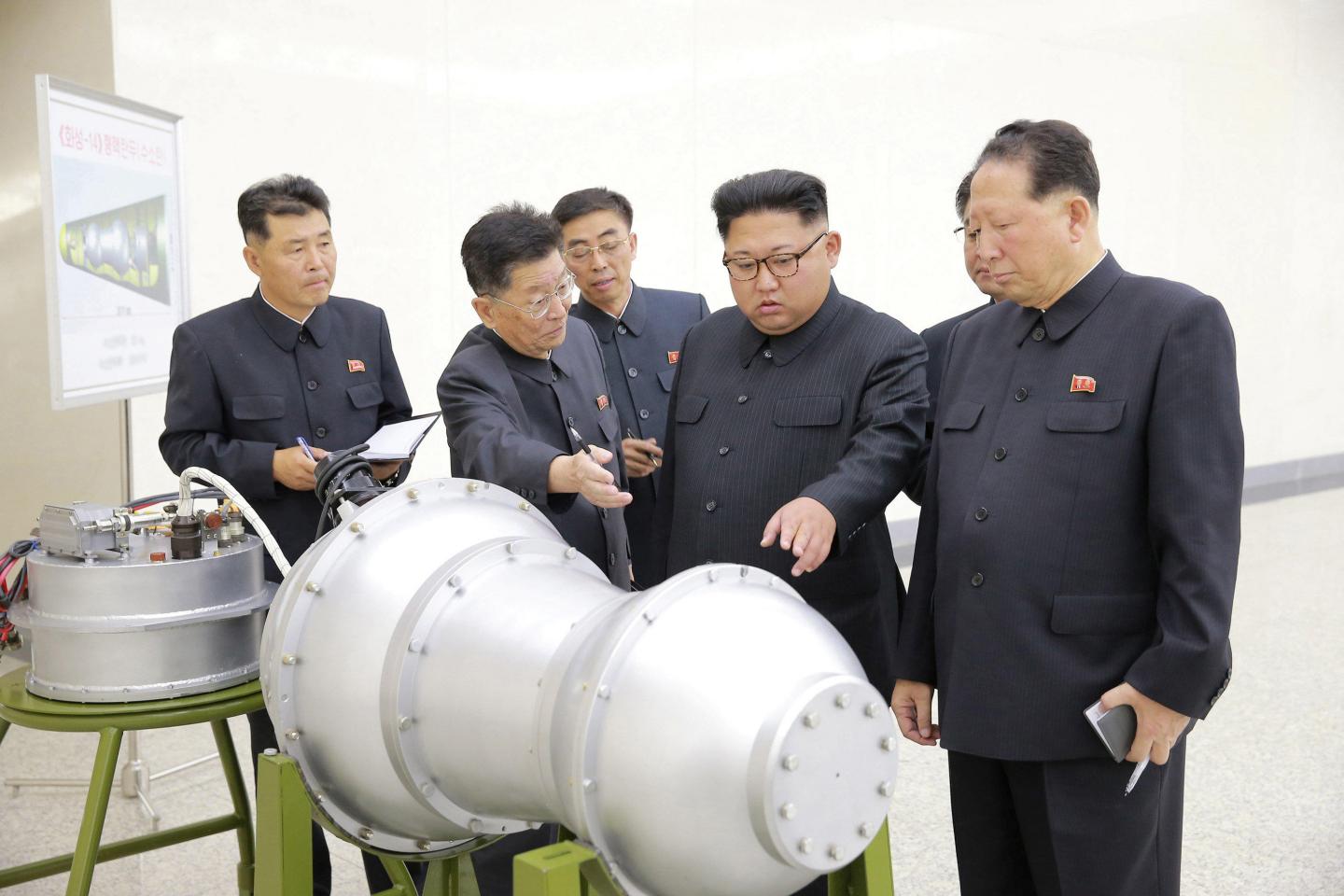
Seoul subsequently adopted the 1991 Declaration on the Denuclearization of the Korean Peninsula, reaffirmed in a 1992 joint statement with the North. But since then, North Korea has conducted six nuclear tests, developed increasingly sophisticated delivery systems, and adopted a doctrine that allows preemptive—and under some circumstances, automatic—nuclear use. Pyongyang has also abandoned its old framing of inter-Korean relations as a temporary division within one nation, now calling the South a hostile separate state.
The security environment that justified South Korea’s nonnuclear posture in the early 1990s no longer exists. Yet much of the institutional framework for extended deterrence remains built on assumptions from more than three decades ago.
What South Koreans worry about
An August 11 survey by the Reform Institute, the think tank affiliated with the Reform Party, found that 75.1% of respondents supported the general idea of redeploying US tactical nuclear weapons to South Korea. Support was especially high among younger generations: 88.4% of those in their 20s and 86.3% of those in their 30s. That suggests nuclear concerns are not confined to older or traditionally conservative voters.
But another finding complicates the picture. When asked to name the single highest priority for addressing the North Korean nuclear threat, 36.3% chose strengthening the US nuclear umbrella and South Korea’s missile defense capabilities. That outpaced support for developing an indigenous nuclear capability (26.9%), redeploying US tactical nuclear weapons (16.9%), or pursuing diplomacy with North Korea (16.8%).
The distinction matters. South Koreans may be increasingly open to nuclear options, but a plurality still prefer strengthening deterrence through the alliance rather than pursuing an independent arsenal.
A third finding goes to the heart of alliance credibility. Asked whether the United States would actually retaliate with nuclear weapons if North Korea used one against the South—even if that meant exposing American cities to North Korean retaliation—respondents were almost evenly split: 41.8% believed Washington would, while 41.7% did not.
That is the central problem for extended deterrence. Many Koreans appear uncertain whether strategic nuclear retaliation remains credible when North Korea can strike the US homeland.
The Pentagon’s 2018 Nuclear Posture Review identified the risk that an adversary might believe it could conduct limited nuclear use without triggering a credible American response. Lower-yield and more flexible nuclear options were designed in part to close that gap. South Koreans are now asking essentially the same question about North Korea.
More options require more consultation
As the survey shows, South Koreans recognize a gap in tailored deterrence against the North’s nuclear threat, while still showing greater willingness to rely on US extended deterrence than on an indigenous nuclear program.
Seoul and Washington should reconsider the range of nuclear options. The answer need not be the return of US tactical nuclear weapons to the peninsula, but neither government should treat the question as permanently settled by decisions made in 1991.
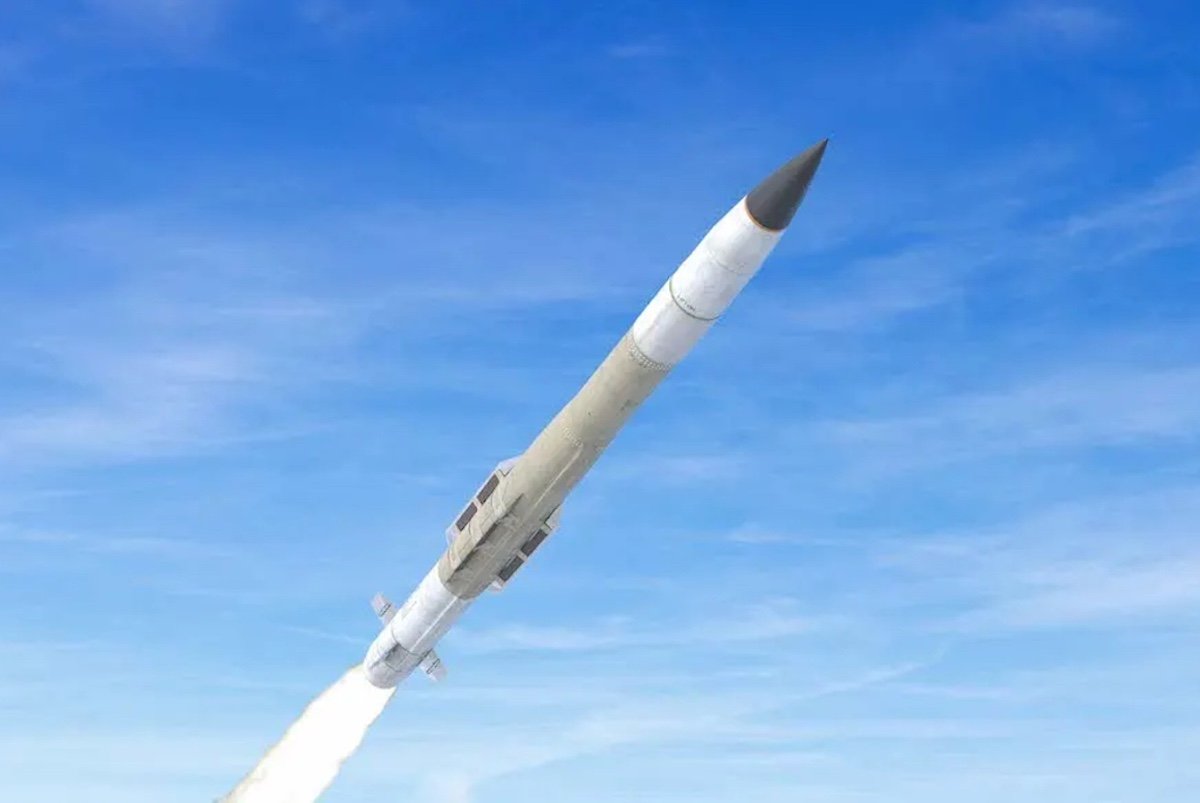
Physical redeployment remains unlikely in the near term. Washington already possesses the W76-2 low-yield submarine-launched ballistic missile warhead and is developing the nuclear-armed sea-launched cruise missile (SLCM-N). These capabilities can provide regional nuclear options without permanently stationing weapons on South Korean or Japanese territory.
That has operational advantages, but it also creates a political problem for the alliance. A NATO-style model involving dual-capable aircraft and forward-deployed weapons requires host-nation infrastructure and extensive cooperation. Sea-based weapons require neither. Yet the fact that South Korea may not host the weapon does not mean Seoul has less at stake in how it would be used.
This makes consultation increasingly important as Washington reviews its nuclear employment guidance. Unlike a Nuclear Posture Review, employment guidance is classified and directly shapes nuclear planning. South Korea will not participate in the process in the same way as the NPR’s ally consultation, nor will Seoul see the final document.
The two governments already created an institution designed to address precisely this problem: the US-ROK Nuclear Consultative Group (NCG). Established to deepen alliance coordination on nuclear issues, the NCG should be used more aggressively to give Seoul a real voice in how US nuclear options are developed and employed. As Washington weighs tactical nuclear options amid rising escalatory risks from China and Russia, the credibility of extended deterrence in Asia depends on more than hardware—it depends on trust. And trust, as the survey shows, is in short supply.