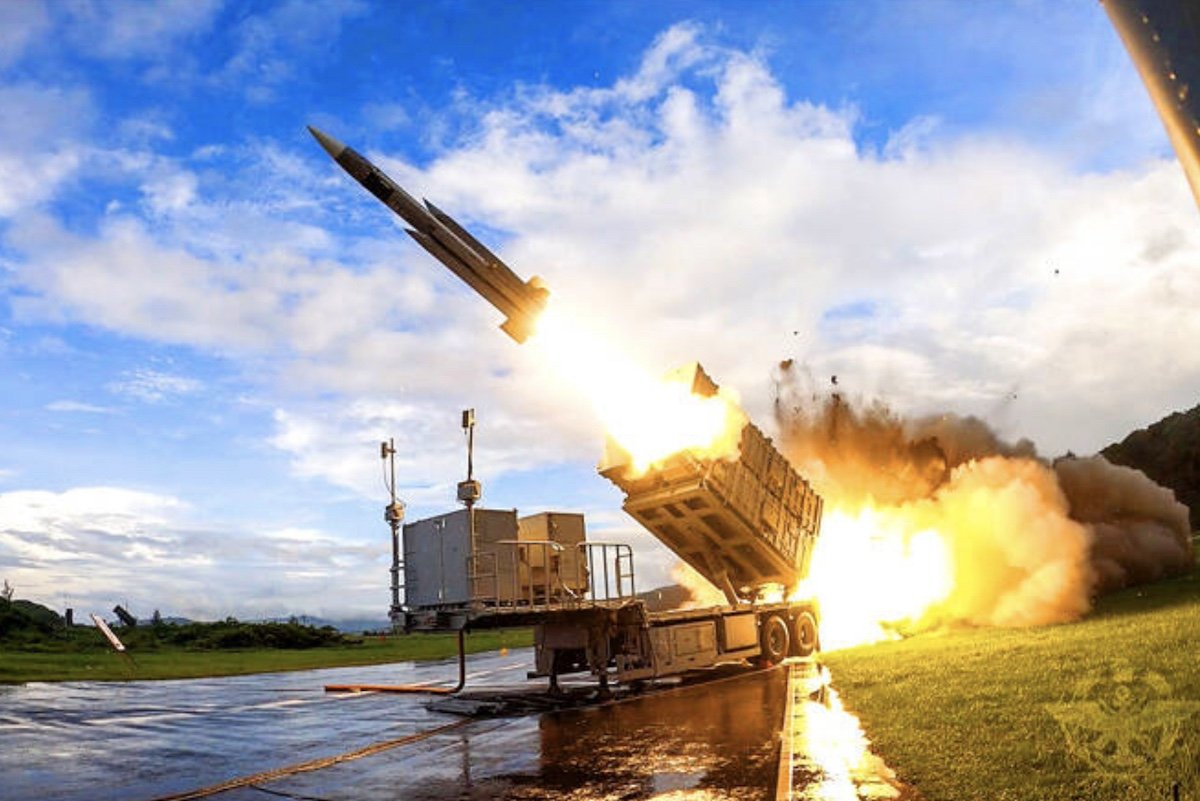
Taipei is racing to overhaul its defensive posture as the United States diverts military resources to the Iran war and China intensifies its pressure on the self-governing island. According to a Reuters report, Taiwan plans to expand its anti-ship missile arsenal to more than 1,800 weapons by early 2029, a dramatic increase aimed at countering the threat of a Chinese blockade or invasion.
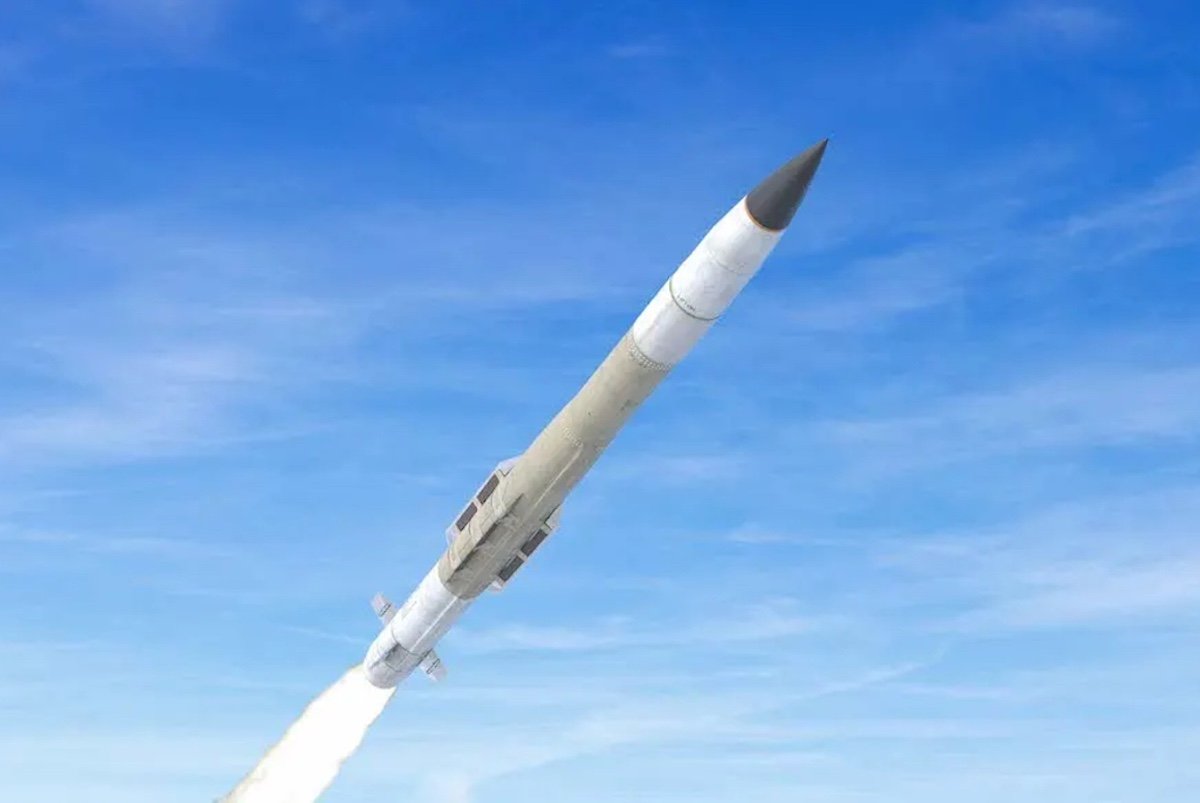
The stockpiling initiative relies on two parallel tracks: acquiring 400 advanced US-made Harpoon cruise missiles, with full delivery scheduled between 2026 and March 2029, and mass-producing roughly 1,000 domestic Hsiung Feng II and III missiles. These precision, sea-skimming weapons will be dispersed across mobile, ground-based launchers, enabling Taiwan's military to create an asymmetric “kill zone” in the Taiwan Strait.
Learning from Ukraine and Iran
Taiwan's strategy draws inspiration from Ukraine's successful naval drone strikes against Russia and Iran's resilience under bombardment. Rather than attempting to destroy the entire People's Liberation Army Navy (PLAN), the plan focuses on inflicting devastating initial losses to shatter an invasion fleet's landing capabilities. To synchronize this surge in coastal firepower and aerial drones, Taiwan will officially inaugurate a unified Littoral Combat Command in July, a structural overhaul designed to stall invading forces long enough for allied nations to intervene in a prolonged war of attrition.
As Taiwan accelerates its shift toward asymmetric defense, the key question is whether an indigenous, missile-centric deterrent can compensate for growing uncertainty over the reliability of US military support. The Trump administration's decision to pause a US$14 billion arms package to Taiwan has underscored that uncertainty. Acting US Navy Secretary Hung Cao told a May 2026 Senate Armed Services Committee hearing that the pause is intended to ensure the US has enough weapons for its Iran war effort, but stressed that foreign military sales will continue when the administration deems necessary.
According to Rush Doshi and David Sacks in a May 2026 Council on Foreign Relations article, the pause could affect the sale of Patriot PAC-3 interceptors, National Advanced Surface-to-Air Missile Systems (NASAMS), and TOW and Javelin anti-tank missiles. Will Smith and Michael Cohen noted in a Stimson article that in the first two days of the Iran war, the US fired about 1,300 Patriot interceptors—up to 60% of its stockpiles and over two years of production at 2025 rates. Replenishing those stocks may take two to three years, creating a window of vulnerability for a potential conflict in the Western Pacific.
Trump's Transactional Calculus
President Donald Trump's recent comments have further fueled doubts. In a Fox News interview last month, Trump said, “I’m not looking to have somebody go independent. And, you know, we’re supposed to travel 9,500 miles to fight a war. I’m not looking for that. I want them to cool down. I want China to cool down.” He added that he “may or may not” approve the weapons sale to Taiwan, describing the island as “a very good negotiating chip.”
Despite the pause, US Secretary of State Marco Rubio reiterated in a Senate Foreign Relations Committee hearing this month that “the most important thing to understand is we want to see the (Taiwan) status quo preserved as-is at this moment. That’s our policy, that’s what we’ve said, that’s what we continue to say.” He added, “It’s a very delicate relationship to balance, but our policy on Taiwan is not changing.”
In contrast to Washington's ambiguity, Beijing has been consistent and adamant. Chinese President Xi Jinping stressed in May 2026 that “Taiwan independence” and cross-strait peace are as “irreconcilable as fire and water,” according to state mouthpiece Xinhua. This stance aligns with China's broader military buildup, including nuclear expansion in Hami aimed at hardening deterrence for a Taiwan contingency.
Taiwanese President Lai Ching-te, in a May 2026 Facebook post quoted by Politico, said that “China has never abandoned its intention to annex Taiwan by force and continues to expand its military capabilities in an attempt to alter the regional and cross-strait status quo.” He stressed that “the US’s continued arms sales to Taiwan and deepening of Taiwan-US security cooperation are not only necessary but also key elements in maintaining regional peace and stability.”
With the US facing a significant capability gap from the Iran war and suspending arms sales indefinitely, Taipei may need to invest more heavily in asymmetric warfare capabilities that can be sustained domestically and with assistance from alternative partners. Taiwan has backed that approach with sustained investments in missile production, long-range strike capabilities, and defense-industrial partnerships aimed at reducing reliance on foreign resupply. These efforts underscore Taiwan's shift from dependence on US arms purchases to developing an indigenous deterrent capable of withstanding a blockade, prolonged conflict, and political uncertainty.
The broader regional implications are significant. As the US rebalances its global commitments, allies across the Indo-Pacific are watching closely. For instance, South Korea is pushing for strategic autonomy in the wake of US-China summitry. Taiwan's accelerated arming program is a clear signal that Taipei no longer takes US protection for granted—and is preparing for a future where it must rely more on itself.