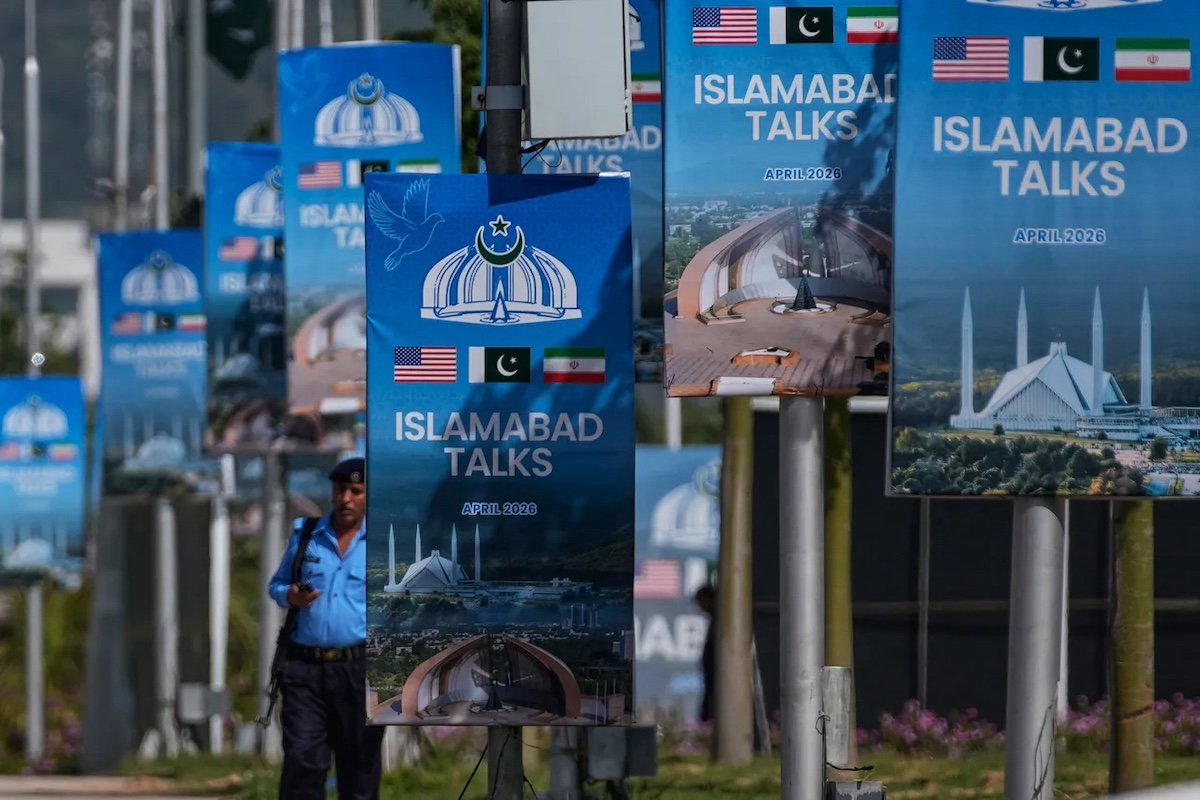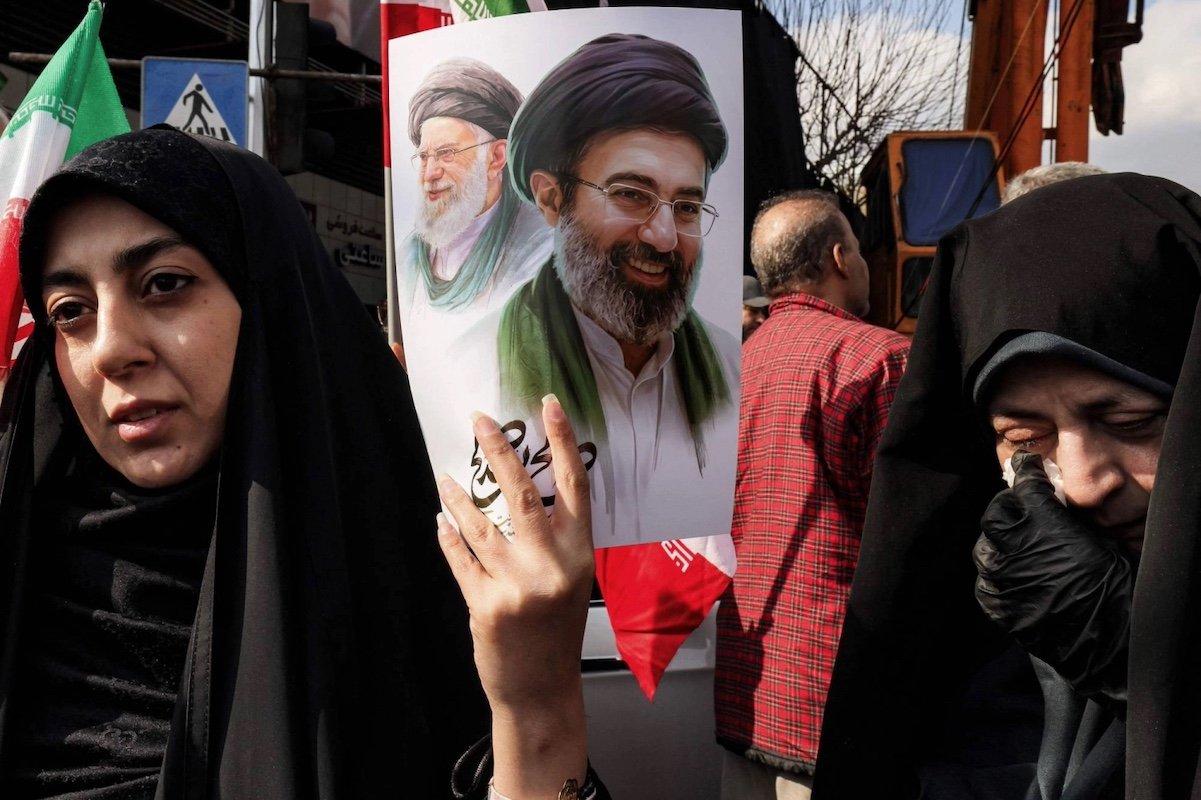
Tehran's response on May 10 was predictable: a familiar package demanding a ceasefire, security guarantees for the Strait of Hormuz, total sanctions relief, and reparations. What surprised Washington was the timing, drawing President Donald Trump's terse verdict: "totally unacceptable." Yet a surprising number of voices in the US capital still advocate for a narrow bilateral deal focused solely on reopening the strait and restoring oil tanker traffic. If oil prices spike or insurers pull back, that pressure will only intensify.
Quick relief can feel like prudent leadership, but the Vietnam precedent should give pause. Henry Kissinger might have predicted this. The 1973 Paris Peace Accords called for American withdrawal and a ceasefire but did nothing to protect South Vietnam. "Peace with honor" collapsed in under two years. Kissinger later conceded that deal-making is usually temporary unless military and political realities shift.
Beijing's Pivotal Role
Trump's upcoming meeting with Chinese leader Xi Jinping in Beijing on May 14–15 raises the stakes. The Strait of Hormuz will almost certainly be a central topic. China is Iran's largest oil customer and holds real cards in Tehran, but it has so far avoided heavy pressure. Kissinger, the old master of triangular diplomacy, would treat the summit as an opportunity to pursue linkage.
Yet enlisting Beijing to enforce a bilateral US-Iran understanding is fraught with danger. It risks giving China a de facto veto over Gulf security, allows Beijing to continue hedging between Tehran and Washington, and deepens suspicion among Gulf allies that America is again looking for an exit rather than a solution. The most likely result is a short-lived pause that keeps Iran's leverage alive while strengthening China's hand in the region.
The Day After Any Deal
The bigger problem is what happens the day after any such deal is signed. A limited bilateral agreement would send a clear message to Tehran: choking the Strait works. When Secretary of State Marco Rubio described Iran's control of Hormuz as an "economic nuclear weapon," he was right. Billions of barrels can disappear from global markets almost overnight. Saudi Aramco's chief executive has already spelled out the serious damage, and Goldman Sachs analysts warn that restoring normal conditions could take many months—or years if Iran decides to play for time.
Shipping rates and insurance costs would stay high. Supply chains would remain fragile. Washington would essentially be teaching Tehran a repeatable tactic for holding the global economy hostage. Gulf partners have every reason to be skeptical of American guarantees. The Wall Street Journal reported this week that Washington draws red lines, then quietly retreats as pressure mounts. A deal focused only on the Strait would leave Iranian missiles and proxy networks largely untouched, while Gulf countries continue to host US bases and live with the daily threat.
Talk of an "insurance policy" is already spreading. That means more arms purchases from China, tighter economic ties with Beijing, and stronger Saudi insistence on regional talks that go beyond US mediation. This approach would certainly weaken any chance of forming a stable regional order. While Iran might temporarily pause proxy attacks or missile activities, without independent verification and enforceable restrictions on proxies and missiles, Tehran is likely to wait for the next chance.
Bilateral initiatives to reopen the Strait could buy critical time, and the current US-Bahrain draft at the Security Council is a promising development. However, for a lasting solution, active Gulf participation in monitoring and enforcement will be vital. Short-term thinking has harmed the US in the past. Repeating this pattern in the Gulf could lead to new energy shocks and prompt key allies to hedge more quickly.
A smarter strategy would involve collaborating with Gulf states to develop a long-term framework to limit Iran, rather than settling for another superficial agreement between Washington and Tehran. Only by ending this cycle of short-term fixes can the US transform the current crisis into an opportunity for lasting change, rather than just the prelude to the next crisis. For more on the fragility of recent ceasefires, see Multiple Actors and Grievances Undermine Fragile US-Iran Ceasefire and US Weapons Depletion Drives Fragile Iran Ceasefire, Raising Questions for Asia.