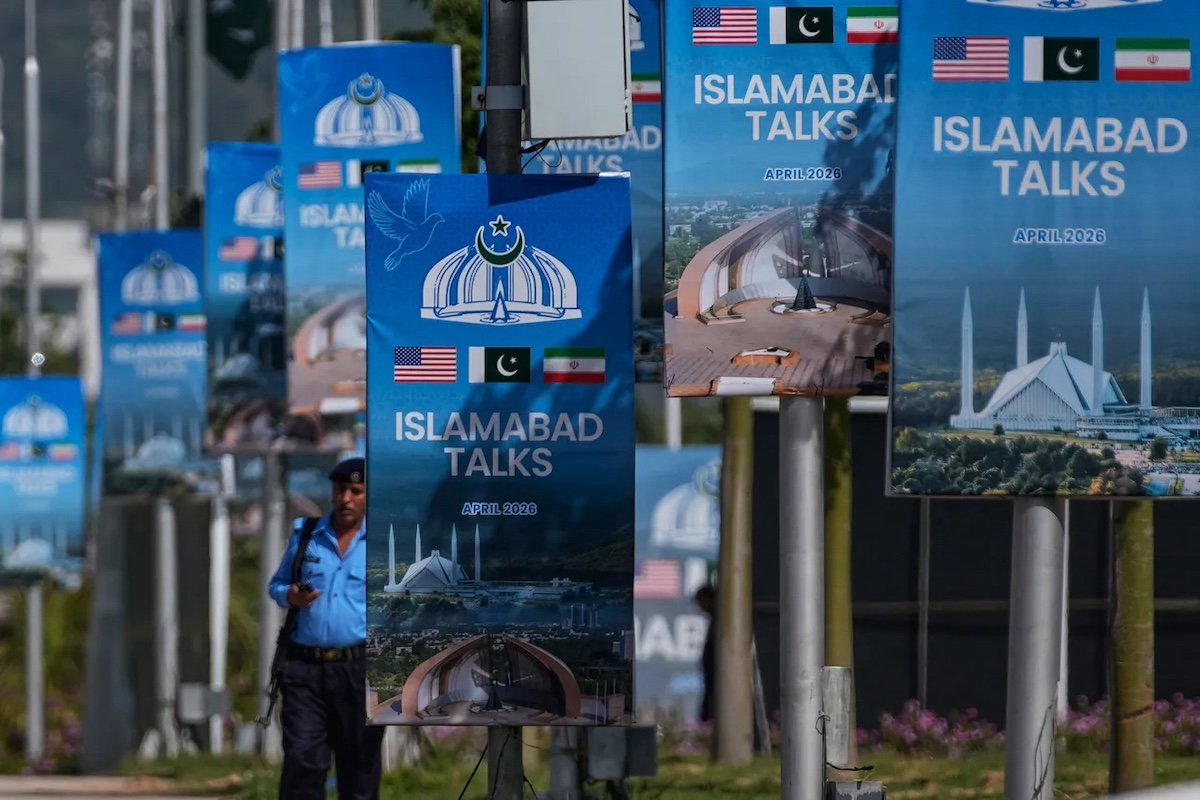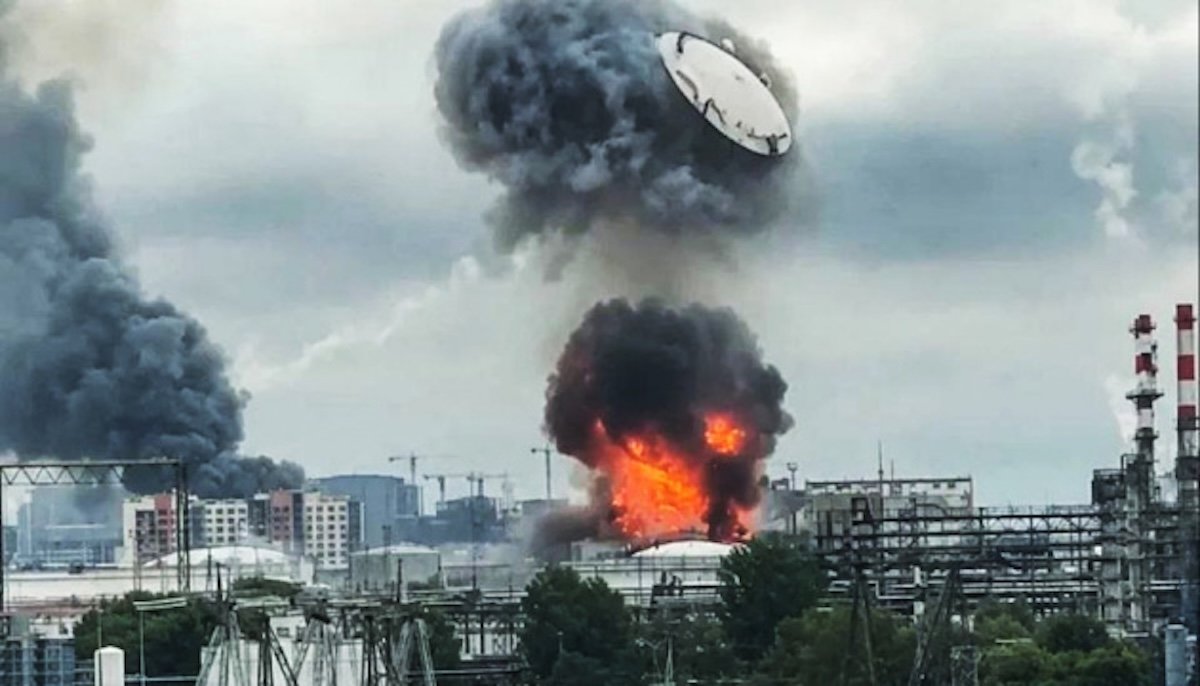
On February 28, 2026, the United States and Israel launched a series of strikes against Iran, targeting its nuclear and ballistic missile programs and aiming, according to their governments, at regime change. The attacks came at a moment when Oman's foreign minister had just announced a significant breakthrough in indirect US-Iran nuclear negotiations: Iran had agreed to never stockpile enriched uranium and to full IAEA verification. Peace, we were told, was within reach. It was destroyed from the air before any agreement could be signed.
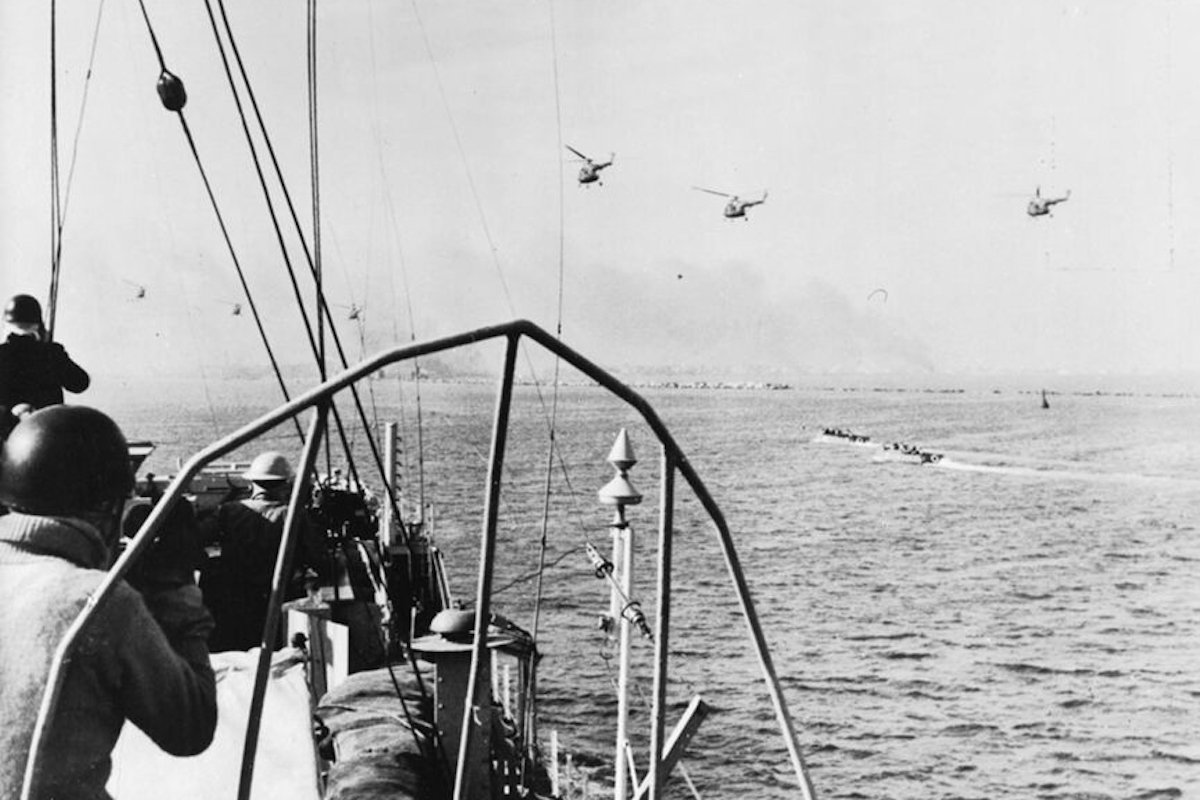
For students of Middle Eastern history, the parallels with October 1956 are not merely suggestive—they are structurally precise. In 1956, Britain and France, chafing at Egyptian President Gamal Abdel Nasser's nationalization of the Suez Canal, entered into a secret arrangement with Israel. The plan was elegantly cynical: Israel would attack Egypt across the Sinai; London and Paris would then intervene as ostensible peacemakers, demanding both sides stand down from the canal zone—which they knew Egypt would refuse—thereby furnishing a pretext to seize the waterway themselves. The justifications shifted kaleidoscopically: freedom of navigation, containing Soviet influence, preventing a dangerous authoritarian from acquiring too much power. What it was actually about was the reassertion of waning imperial authority.
Now examine what we have been told about the Iran war's origins. Trump administration officials have offered conflicting explanations: to pre-empt Iranian retaliation, to ward off an imminent threat, to destroy Iran's missile capabilities, to prevent Iran from obtaining a nuclear weapon, to secure Iran's natural resources, and to achieve regime change. Six rationales, each subtly different, each available for deployment depending on the audience. This is not the language of strategic clarity; it is the language of a policy in search of a justification it does not yet possess.
The collusion is equally reminiscent. According to the Washington Post, Saudi Crown Prince Mohammed bin Salman had multiple phone calls with Trump, urging him to attack Iran, and Trump's decision came after the Saudi and Israeli governments lobbied him repeatedly. In 1956, it was the Protocol of Sèvres—a secret meeting in a French villa where the conspirators carved up their roles. In 2026, it was phone calls from Riyadh and Jerusalem to a president who, by all accounts, needed persuading, until suddenly he didn't.
The Missing Eisenhower
The deepest parallel, however, is the one that should give Americans most pause. In 1956, the United States played the role of the sober, restrained power. Dwight Eisenhower—a man who had actually seen war—was furious at the Anglo-French-Israeli adventure, not because he loved Nasser, but because he understood that launching wars of dubious legality against sovereign nations while nuclear negotiations were underway was precisely the kind of reckless gambit that unraveled international order. He forced Britain and France to back down. In 2026, there is no Eisenhower. America is the adventurer. America is Eden, not Ike.
The consequences have followed a pattern familiar to anyone who studied the history they were about to repeat. Iran has launched strikes across nine countries in the region, hitting US military bases in Bahrain, Jordan, Kuwait, Qatar, and Saudi Arabia, as well as energy infrastructure across the Gulf. Trump's approval rating has fallen to 36%, its lowest point of his second term, driven by the rising cost of living and growing public disapproval of the war. Global energy and food prices continue to rise, and the conflict shows no signs of ending.
In 1956, the Suez adventure collapsed within days under American and Soviet pressure. Britain's humiliation was so total that it accelerated the final dissolution of the British Empire and triggered a financial crisis that forced a prime ministerial resignation. The lesson drawn—eventually, reluctantly—was that wars launched on shifting pretexts, against the grain of international diplomacy, tend to produce outcomes their architects never envisioned.
The strategic architecture of the current war follows the same internal logic of escalation that has undone similar ventures throughout the modern era. You bomb a country's leadership, kill its Supreme Leader, and expect—what exactly? That a traumatized population will rise up in gratitude and install a pro-Western government? That a state with decades of experience surviving sanctions and military pressure will simply fold? The Islamic Republic may be weakened. It is not, as its ongoing missile salvos make abundantly clear, finished.
The advocates of this war will tell you that the situations are not comparable; that Iran's nuclear program represented a genuine and imminent threat that Egypt's canal nationalization did not; that the Middle East of 2026 is not the Middle East of 1956. They are right that the details differ. They are catastrophically wrong that the structural dynamic does not. For Asia, the implications are profound: the Hormuz blockade has already raised stakes ahead of the Trump-Xi summit, while India's Gulf diplomacy faces a test of strategic autonomy. The ghost of Suez is not just a historical curiosity—it is a warning that, if ignored, will be repeated with far greater costs.