A vigorous debate is unfolding within India's foreign policy circles regarding its stance on the Iranian crisis. The core question is whether New Delhi's approach represents careful statecraft or a drift into indecision, as it balances a complex array of regional relationships.
Critics argue India has not leveraged its substantial economic influence, its large diaspora in the Gulf, and its political capital effectively. They suggest that a preference for behind-the-scenes engagement has allowed diplomatic space to be occupied by others, notably Pakistan, which has taken a more public role in facilitating talks.
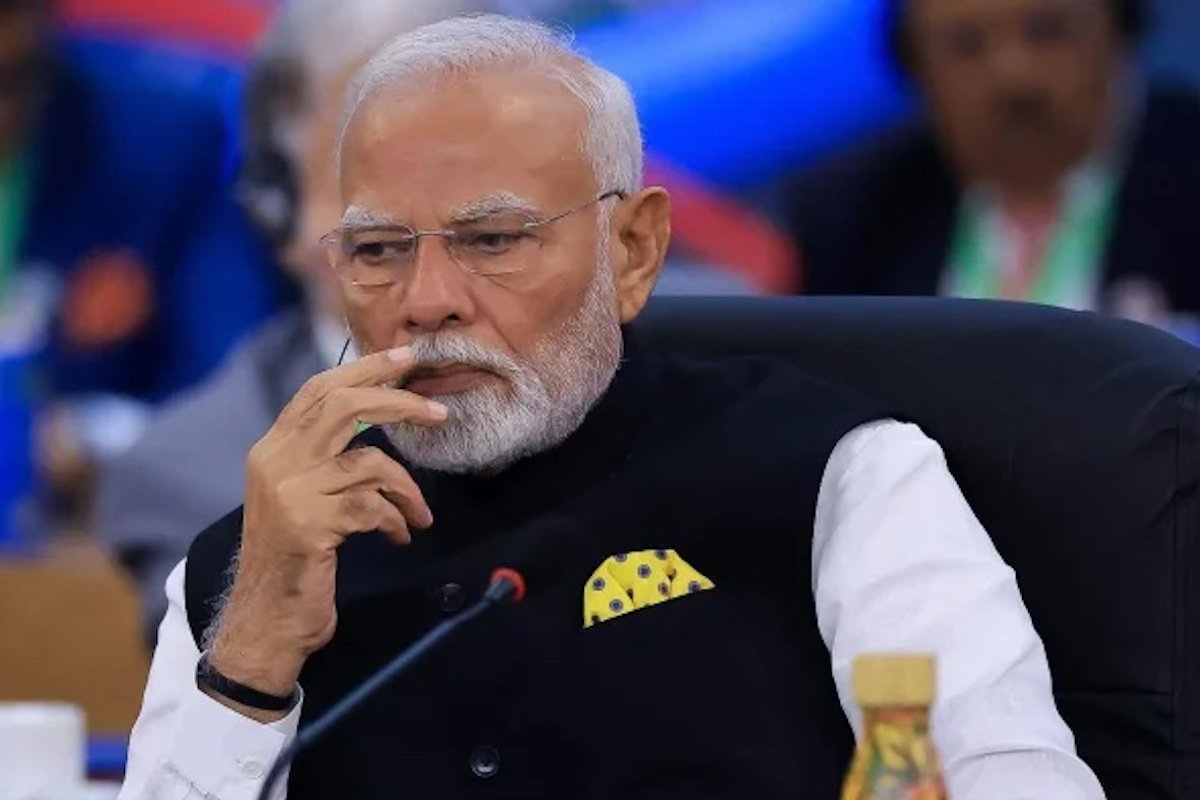
Recent diplomatic moves appear to support this view. Prime Minister Narendra Modi's discussions with then-US President Donald Trump focused primarily on stabilizing energy flows and supply chains. Similarly, External Affairs Minister S. Jaishankar's visit to the United Arab Emirates emphasized reassurance and coordination rather than direct intervention.
The Structural Constraints of Strategic Autonomy
This apparent caution is not born of indecision but of profound structural constraints. India's Gulf policy is a case study in strategic autonomy under pressure. New Delhi is enmeshed in a dense network of relationships that pull in opposing directions simultaneously.
It maintains a close partnership with the United States on technology, finance, and defense. It depends on Iran for energy and critical connectivity via the Chabahar port. It has deep defense ties with Israel. And it is economically intertwined with Gulf states like Saudi Arabia and the UAE through massive trade, investment, and the livelihoods of over 9 million Indian workers.
In this context, there are no simple choices. Aligning closely with Iran risks alienating Washington, Riyadh, and Tel Aviv. Backing a US-Israel-Gulf bloc jeopardizes access to Iran and threatens India's energy lifeline through the Strait of Hormuz. Acting as a mediator carries a high risk of failure with little guarantee of lasting influence.
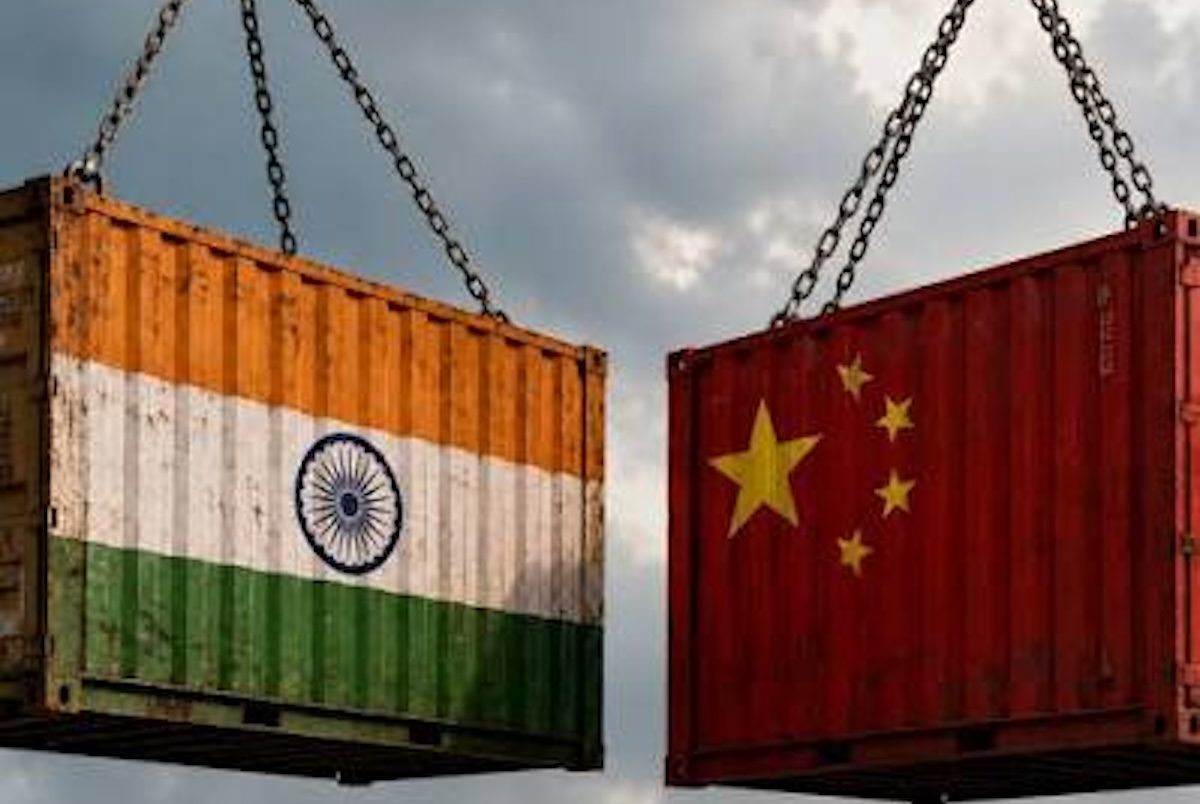
External dynamics further limit India's options. The strategic partnership between China and Pakistan reduces New Delhi's bandwidth for activism in the Middle East. Renewed US engagement with Islamabad complicates regional diplomacy. Most critically, India's acute vulnerability to energy shocks—with a significant portion of its oil imports transiting the Strait of Hormuz—imposes a hard limit on any adventurous policy shift. This economic exposure is a key vulnerability, as explored in our analysis of India's economic pressures amid regional conflict.
Domestic Stakes and a Different Pakistani Model
Domestic factors reinforce this cautious posture. Instability in the Gulf that affects energy prices or the safety of the Indian diaspora would create immediate political and economic pressure at home. A calibrated, low-risk approach is thus a strategic and political necessity.
This stands in stark contrast to Pakistan's more visible role. Islamabad's geography and its relationships with Tehran, Riyadh, and Doha, backed by China while maintaining ties with the US, position it as a politically convenient venue for talks. However, its influence is largely derivative, enabled by external sponsorship rather than autonomous strength. Pakistan acts as a facilitator, not a primary shaper of outcomes.
India's path reflects a different strategic calculus: bearing the costs of autonomy, which can include lower diplomatic visibility, to preserve long-term flexibility. This pursuit of strategic independence is a theme also evident in other regions, as seen in the challenges facing Europe's own strategic autonomy ambitions.
The criticism within India, however, holds some weight. An overextended commitment to autonomy can blur into ambiguity. A default risk-minimizing stance can also curb initiative. The debate, therefore, is not about abandoning strategic autonomy but about exercising it more proactively.
Thresholds for a More Decisive Stance
There are clear scenarios that would compel a stronger Indian response. A major disruption in the Strait of Hormuz causing energy prices to spike would directly assault India's economy. A large-scale crisis involving the Indian diaspora would necessitate urgent diplomatic intervention. Should tensions escalate into a full-blown US-Israel-Gulf confrontation with Iran, India may find strict neutrality unsustainable, forcing a tilt to protect core interests.
Even then, New Delhi would likely recalibrate, not abandon, its autonomous stance. This multi-alignment strategy is a consistent feature of its foreign policy, reflected in its parallel pursuit of trade agreements with both the EU and the US.
For now, India is likely to remain engaged, watchful, but not overtly interventionist. Another factor for restraint is unpredictability, particularly from a US administration whose signals have been inconsistent. New Delhi has little incentive to step into a diplomatic process where outcomes and narratives can shift abruptly.
While Pakistan may occupy the diplomatic spotlight, India's quieter approach is a deliberate choice shaped by its unique constraints and its broader strategic objective: preserving autonomy in a region where its vital interests—energy, diaspora, trade, and security—are deeply and permanently engaged.