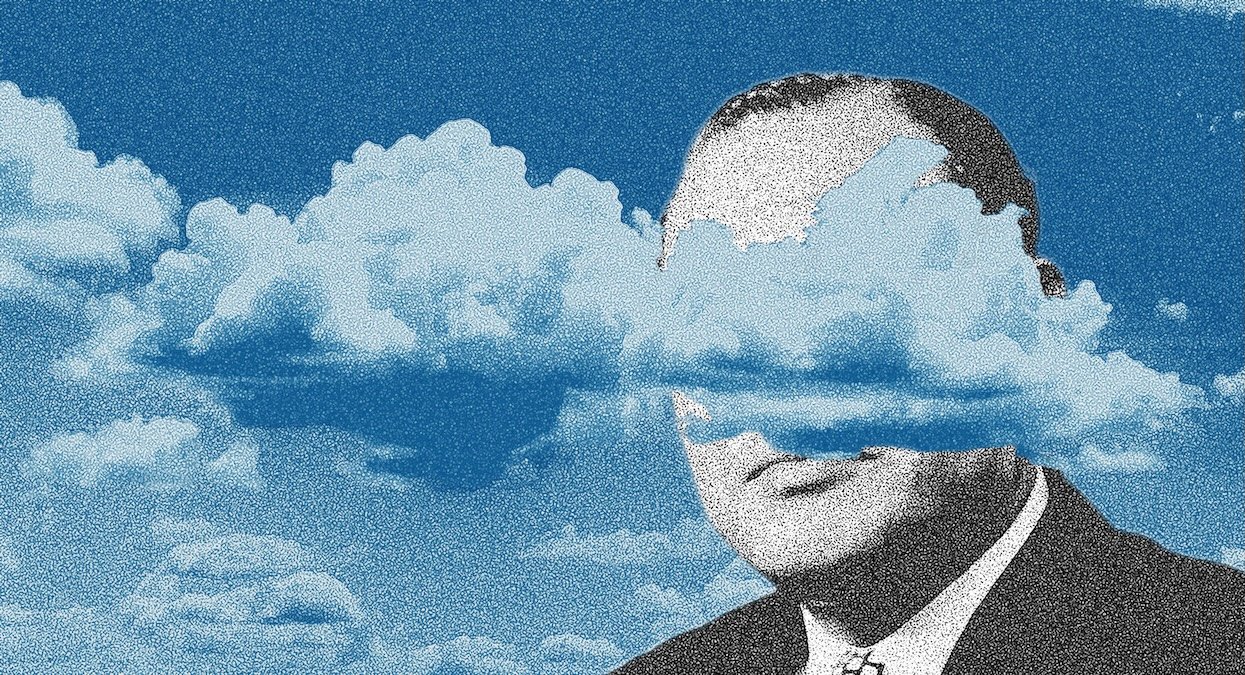
In the humid bar of Hong Kong's Foreign Correspondents' Club in November 2012, a chance encounter with an elderly American revealed a hidden chapter of postwar Japanese history. Bruce Aitken, then in his late sixties, casually mentioned over beer that he had worked for Deak & Company, the firm that transported Lockheed's bribe money to Japan. 'I smuggled cash into Tokyo,' he said, holding his glass.
Aitken's story is a window into the Lockheed scandal, which erupted in February 1976 when the U.S. Senate Subcommittee on Multinational Corporations, chaired by Senator Frank Church, disclosed that Lockheed Aircraft Corporation had funneled over three billion yen in secret payments to sell its TriStar jets to All Nippon Airways. The bribes were distributed to high-ranking Japanese officials and right-wing fixer Yoshio Kodama, with Marubeni, the trading company representing Lockheed, using the code name 'Peanuts' for the illicit funds. Lockheed Vice Chairman A. Carl Kotchian testified that about 600 million yen went to several government officials via Marubeni.
In July 1976, the Tokyo District Public Prosecutors Office arrested then-Prime Minister Kakuei Tanaka on suspicion of receiving payoffs. The scandal's toll included two suicides: Lockheed's treasurer and Tanaka's driver. It remains the greatest corruption case in postwar Japan, involving a cast of characters that included American money launderers, Japanese fixers, and a secretive underground bank.
The Bagman's Tale
Deak & Company, founded by Hungarian-born Nicholas Deak—a former OSS officer during World War II—operated as an underground bank for the operation. Money from Lockheed's California headquarters was transferred to Deak's Hong Kong branch, where Japanese yen was prepared and smuggled into Tokyo. Aitken, born in 1945 in New Jersey, had abandoned a baseball career due to a knee injury and joined Deak in 1972 after a stint handling foreign exchange for U.S. military bases in Vietnam.
In 1973, Aitken received an urgent call from Deak's Hong Kong branch manager: 'Go to Japan. There's a lot of urgent business with Japanese yen payment orders piling up.' He returned to Guam, where he modified a golf bag by removing rivets at the bottom to create a hidden compartment. He stuffed it with ¥100 million in 10,000-yen notes—the maximum weight he could carry—and flew to Tokyo's Haneda Airport. 'One hundred million yen in cash is quite heavy,' he recalled. 'While most golf bags can accommodate 10 or more clubs, ours only held three. To keep the weight down.'
The cash was not handed directly to Lockheed's representatives. Instead, Deak used multiple local agents, including a foreign priest who had lived in Japan for years. Aitken met the priest at a Spanish restaurant in Tokyo and passed him a shoulder bag containing the money. The system employed double and triple layers of cushioning to erase any connection to Lockheed.
The Lockheed scandal reshaped Japanese politics and exposed the deep entanglement of American corporate interests with Japanese officials. It also highlighted the role of Hong Kong as a financial hub for illicit flows, a dynamic that continues to resonate in the region. For more on how such historical ties inform current security partnerships, see How Pacific Islands Can Benefit from Deepening Australia-Japan Ties.
Aitken's story, shared decades later, underscores the enduring legacy of corruption in Japan's postwar era. The scandal led to Tanaka's conviction in 1983, though he remained a political kingmaker until his death in 1993. Today, as Japan grapples with new political finance scandals, the Lockheed case remains a cautionary tale. For insights into how Japan is adapting its defense industry, see Japan's Terra Drone Tests Combat Drones in Ukraine, Eyes Lessons for Indo-Pacific.
The bagman's golf bag, once a tool of bribery, now serves as a relic of a time when cash could be smuggled through airports with ease. Modern screening would likely intercept such attempts, but the lessons of the Lockheed scandal endure: corruption, when exposed, can topple governments and reshape nations.