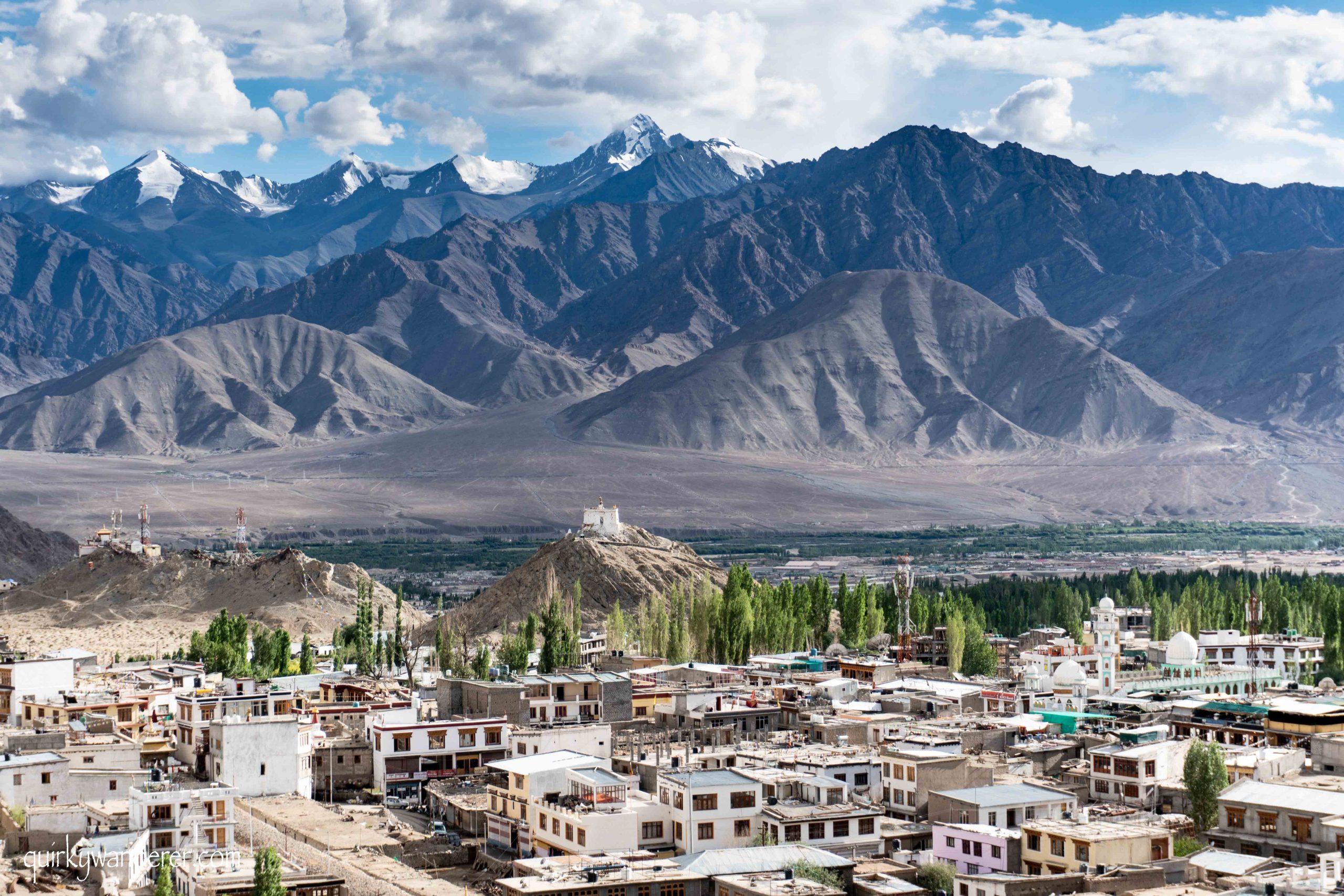
The Trans-Himalayan region, stretching from India's Leh to China's Lhasa, and encompassing Gilgit-Baltistan and Bhutan's Thimphu, is often depicted as a timeless, frozen wilderness. This romantic vision obscures a pressing reality: its urban centers are on the frontline of a climate emergency they did not create. For these high-altitude cities, achieving carbon neutrality is not a distant policy goal but a fundamental prerequisite for continued human settlement.
A Crisis of Unparalleled Scale
Scientific consensus underscores the region's acute vulnerability. The Intergovernmental Panel on Climate Change (IPCC) notes that mountain ecosystems face 'uniquely high vulnerability,' with Himalayan warming rates significantly outpacing the global average. A phenomenon known as elevation-dependent warming means temperatures here may rise 1.5°C to 2°C for every 1°C of global increase. The IPCC further warns that even under optimistic emissions scenarios, the region will lose a substantial portion of its glaciers by 2100.
For residents, this translates to a triple threat: catastrophic summer flash floods, severe winter water shortages as springs vanish, and crumbling infrastructure as the underlying permafrost thaws. The environmental stress is compounded by economic reliance on tourism, which brings vital income but also escalates the carbon footprint of these fragile 'Third Pole' settlements.
Why Plains-Centric Climate Models Fail
Global climate strategies have largely been designed for low-altitude cities, a approach that has proven inadequate for the Himalayas. The carbon profile of a mountain city is fundamentally different. While the world focuses on cooling, the primary driver of emissions here is the cold wave. In Leh or Lhasa, heating can account for nearly 70% of municipal energy consumption during the protracted winter.
Decarbonizing this heat is the first pillar of survival. Current dependence on biomass, coal, and kerosene creates a dual burden of high emissions and dangerous indoor air pollution. The solution lies in leveraging the region's abundant sunshine—over 300 days annually—through passive solar architecture. Buildings designed with thermal mass can maintain habitability in sub-zero temperatures with minimal external energy input.
Furthermore, the 'altitude penalty' of logistics must be addressed. Transporting food and fuel up steep gradients incurs a massive carbon debt. A viable net-zero plan requires electric freight corridors and ropeway-based public transport to reduce reliance on heavy combustion engines that pollute thin air and destabilize slopes.
Circular Systems for an Extreme Environment
A critical, often overlooked component is waste circularity. Cold temperatures drastically slow landfill decomposition in high-altitude zones, risking contamination of trans-boundary river headwaters. The most urgent challenge is managing liquid waste and fecal sludge, as standard biological treatment processes fail in freezing conditions.
Achieving circularity demands all-weather treatment plants specifically engineered for the cryosphere. Utilizing greenhouse-enclosed drying beds or solar-thermal heating, these facilities can operate year-round. Integrating anaerobic digestion can transform organic waste into biogas for heating and nutrient-rich bio-fertilizer, creating a localized circular economy. This zero-waste mandate prevents methane emissions from decomposing waste and reduces dependence on imported fuels and fertilizers.
Empowering Local Climate Architects
The most vital shift required is structural, not technological. Climate policy remains a top-down mandate from distant national capitals like New Delhi or Beijing. Yet the Trans-Himalaya is a mosaic of micro-climates; a solution for a rain-shadow valley like Leh may fail in monsoon-fed areas. Effective action must be hyper-local, elevating municipal authorities to become the primary nodal agencies for both mitigation and adaptation.
For too long, municipal bodies in mountain towns have been relegated to basic service provision. To achieve net-zero, they must be transformed into empowered climate architects. This requires a major infusion of technical expertise in high-altitude hydrology and permafrost engineering, coupled with financial autonomy. Mountain municipalities often suffer from chronic fiscal gaps, reliant on erratic grants. A radical devolution of resources and decision-making power is essential.
The strategic necessity of securing this fragile region resonates across Asia. As nations like India pursue complex economic alignments, such as the dual trade pacts with the EU and US, environmental security in geopolitically sensitive border areas becomes paramount. Similarly, the success of cross-border partnerships, like the growing India-Malaysia strategic partnership, may offer frameworks for sharing the technical and financial resources needed for this transition.
The path to a trans-Himalayan net-zero is a test case for localized, context-specific climate action. It is a strategic imperative for Asia, where the stability of this vast mountainous region is inextricably linked to water security, economic development, and geopolitical calm for billions downstream. The time for romanticizing the high desert is over; the era of engineering its survival has begun.