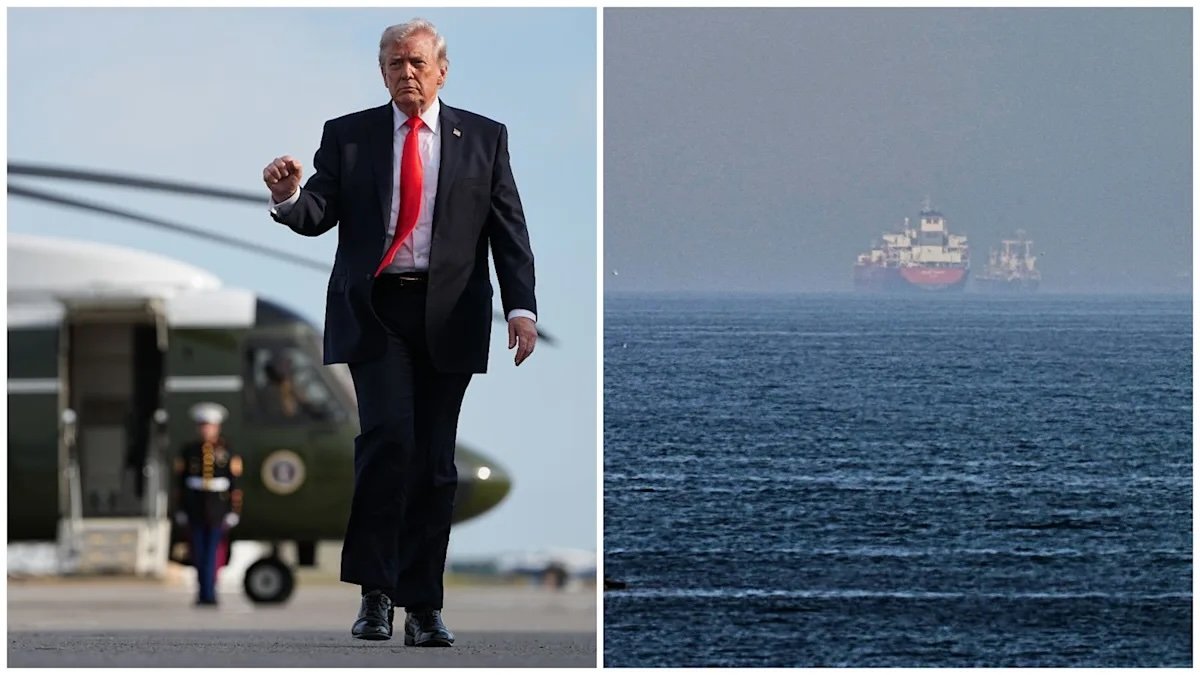
The Trump administration has categorically denied reports from Iranian state media that a US Navy warship was struck by missiles while transiting the Strait of Hormuz. The denial comes amid escalating tensions over President Donald Trump's "Project Freedom," a US-led initiative to guide commercial shipping through the strategic waterway, which Iran has effectively closed to unauthorized vessels.
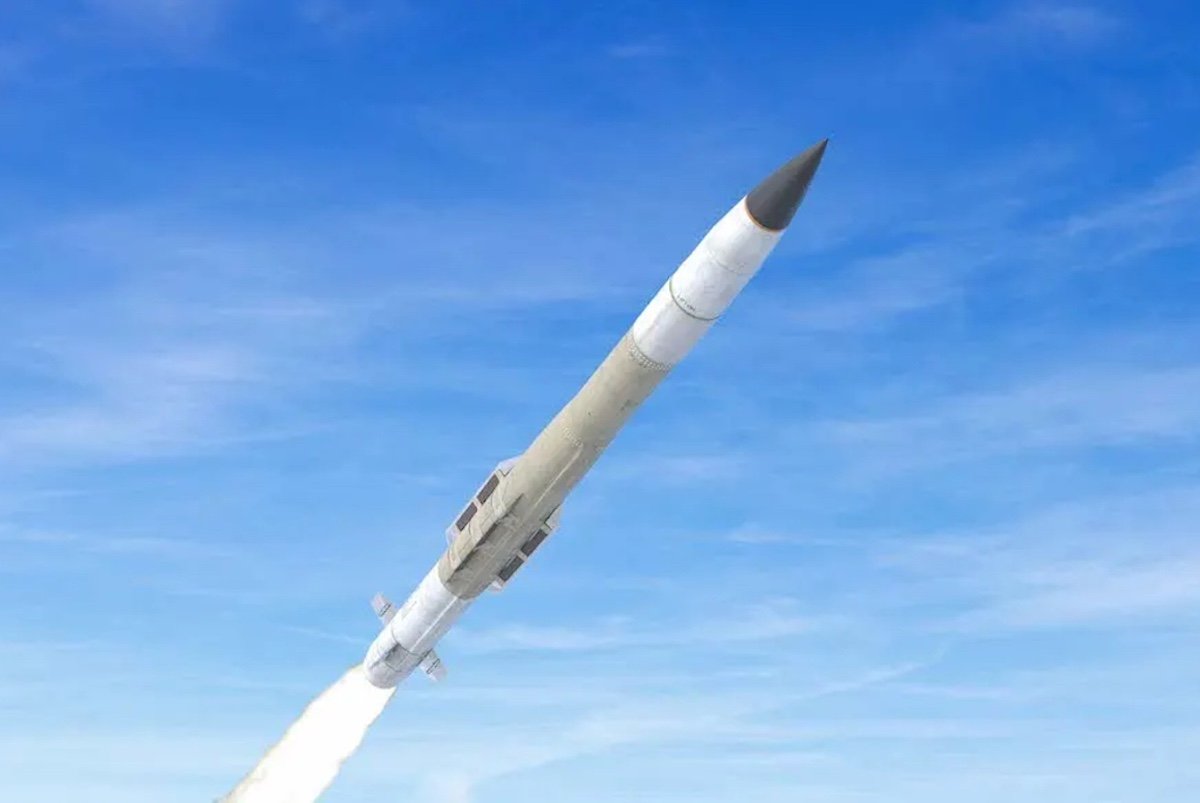
On Monday, Iran's Fars news agency reported that two missiles had hit a US Navy frigate that entered the strait without permission from Tehran. The agency claimed the ship "violated security protocols for transit and navigation near Jask" and came under attack after ignoring warnings from Iran's navy. Fars added that the vessel was forced to retreat. A senior Iranian official later told Reuters it was unclear whether the warship had sustained damage.
Separately, the Tasnim news agency published a statement from the Iranian army's public relations department, asserting that "with the decisive and swift warning from the Navy of the Islamic Republic of Iran, the entry of enemy American Zionist destroyers into the Strait of Hormuz area was prevented."
US Central Command Responds
US Central Command (CENTCOM) quickly pushed back, posting a "fact check" on social media. "CLAIM: Iranian state media claims that Iran's Islamic Revolutionary Guard Corps hit a US warship with two missiles," the post read. "TRUTH: No US Navy ships have been struck. US forces are supporting Project Freedom and enforcing the naval blockade on Iranian ports."
Another CENTCOM post stated that "US Navy guided-missile destroyers are currently operating in the Arabian [Persian] Gulf after transiting the Strait of Hormuz in support of Project Freedom" and that "American forces are actively assisting efforts to restore transit for commercial shipping." It added that two US-flagged merchant vessels had successfully transited the strait and were safely continuing their journeys.
However, open-source marine tracking reports did not show those two ships passing through the strait on Monday, though analysts note that vessels can disable tracking technology. The lack of independent verification has fueled skepticism about the administration's claims.
The Strait of Hormuz, through which about 20% of the world's seaborne oil passes, has become a flashpoint in the broader US-Iran conflict. Iran's closure of the waterway to unauthorized ships has driven global oil prices higher, pushing US gas prices above $4 per gallon on average and stoking inflation. For Asian economies heavily reliant on Middle Eastern crude—such as Japan, South Korea, and India—the disruption poses significant risks. Thailand has pitched a land bridge alternative as fears mount over prolonged Hormuz instability.
Matt Duss, a former foreign policy adviser to Senator Bernie Sanders, urged caution in accepting the administration's denials. "Watch closely," he wrote on social media. "The Trump administration's consistent pattern has been immediate, unequivocal denial, then slowly dribbling out confirmation that 'yeah, that happened, it was bad, actually very bad,' and hope coverage has already moved on, and no one notices."
Duss pointed to the first Trump administration's response to the 2020 Iranian retaliatory strikes on Al Asad airbase after the assassination of IRGC General Qassem Soleimani. Initially, Trump claimed "We suffered no casualties," but the Pentagon later confirmed at least 109 US troops had suffered brain injuries. More recently, CENTCOM initially denied that Iran had shot down US fighter jets in early April, only to later acknowledge a plane had been downed, requiring a multi-day rescue operation for two pilots from Iranian territory.
The conflicting narratives underscore the information war surrounding the Strait of Hormuz. For countries like India, which relies on the waterway for a significant portion of its energy imports, the crisis tests diplomatic credibility. India's credibility on Hormuz is under scrutiny as New Delhi navigates its ties with both Washington and Tehran. Meanwhile, Gulf states are exploring fragile alternatives to the strait, though none offer a quick fix. These alternatives remain under stress as the conflict drags on.
As the standoff continues, the Trump administration's Project Freedom faces an uphill battle. Iran has warned that any unauthorized vessels will be intercepted, and the US military's ability to secure safe passage for commercial shipping remains unproven. For now, the only certainty is that the Strait of Hormuz remains a tinderbox, with global economic stability hanging in the balance.