A report from USA Today detailing Pentagon preparations for a potential military conflict with Cuba, should President Donald Trump order it, has triggered significant international concern. The report, citing sources familiar with the matter, states the US military is "quietly ramping up" contingency planning. This follows a pattern of escalating rhetoric from Trump, who has repeatedly suggested taking or "freeing" the island nation of 11 million people.
From Rhetoric to Reported Preparations
President Trump's comments on Cuba have grown increasingly bellicose. He recently stated, "we may stop by Cuba after we're finished with this," in reference to ongoing tensions with Iran. In language echoing 19th-century US expansionism, he has also said of Cuba, "Whether I free it, take it – I think I can do anything I want." The USA Today report, authored by Kim Hjelmgaard, Rick Jervis, and Francesca Chambers, suggests these statements may be more than just bluster, pointing to concrete military planning.
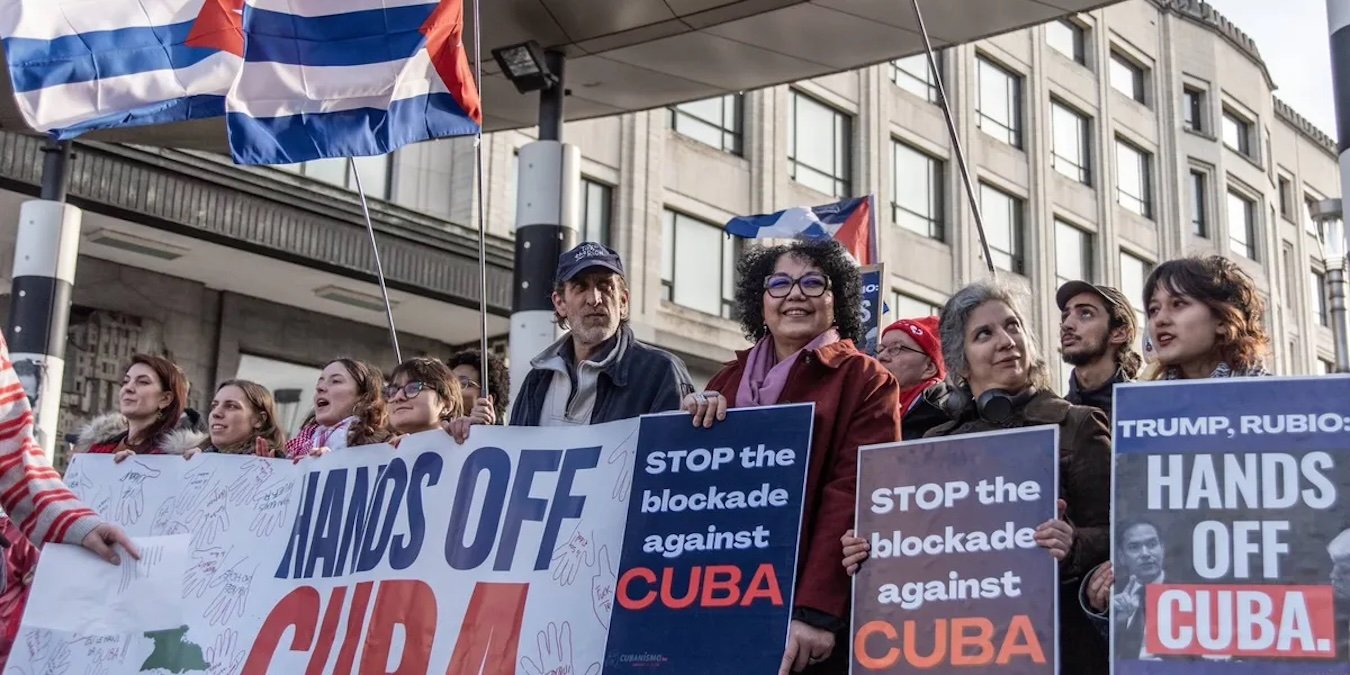
The news has sparked alarm among peace advocates and regional observers. David Adler, co-general coordinator of the Progressive International, stated on X, "This is not a drill. Trump is preparing to take the US into another illegal war against Cuba to appease the Miami mafia. We must stop him." The potential for conflict comes as the Trump administration maintains significant pressure on other nations, including an ongoing naval blockade amid regional tensions with Iran.
Cuban Defiance and Domestic US Pushback
Cuban President Miguel Díaz-Canel responded defiantly to the threats during an appearance on NBC's "Meet the Press." He stated, "if that happens, there will be fighting, and there will be a struggle, and we will defend ourselves, and if we need to die, we’ll die, because as our national anthem says, 'Dying for the homeland is to live'." Many Cubans, having endured decades of a US economic embargo, have shown resilience in the face of such warnings, with their socialist government having outlasted multiple American administrations.
Within the United States, a group of Democratic senators, including Tim Kaine of Virginia, Adam Schiff of California, and Ruben Gallego of Arizona, have introduced a war powers resolution. Its aim is to prevent the president from launching an attack on Cuba without congressional authorization, as required by law. Similar resolutions concerning Iran and Venezuela have previously failed to pass, highlighting the political challenges in constraining executive war powers.
A Long History of Tension and Coercion
The current threats are part of a protracted history of US hostility toward Cuba. Trump systematically reversed the diplomatic normalization pursued by the Obama administration during his first term. On his last day in office in January 2021, he re-designated Cuba as a state sponsor of terrorism, a move widely criticized given Cuba's record and the history of anti-Castro militant groups based in the US.
Since returning to the White House, Trump has intensified economic pressure, tightening the decades-old embargo by restricting fuel imports. This has exacerbated an existing energy crisis in Cuba, leading to blackouts and hardship for vulnerable populations. The administration has also activated a provision of the Helms-Burton Act, allowing lawsuits over property confiscated after the 1959 revolution, further straining relations.
The reported military preparations and economic warfare occur against a backdrop of global strategic competition, where the US is also focused on challenges in the Indo-Pacific, such as the US Navy's next-generation fighter competition aimed at countering China. A new conflict in the Caribbean would divert significant military and diplomatic resources.
Observers note that while shocking, the escalation is not surprising given Trump's record and the long-standing covetousness of Cuba by some US political figures dating back to Thomas Jefferson. The situation presents a critical test for international norms and the balance of power within the US government, as the world watches whether rhetoric transforms into action.