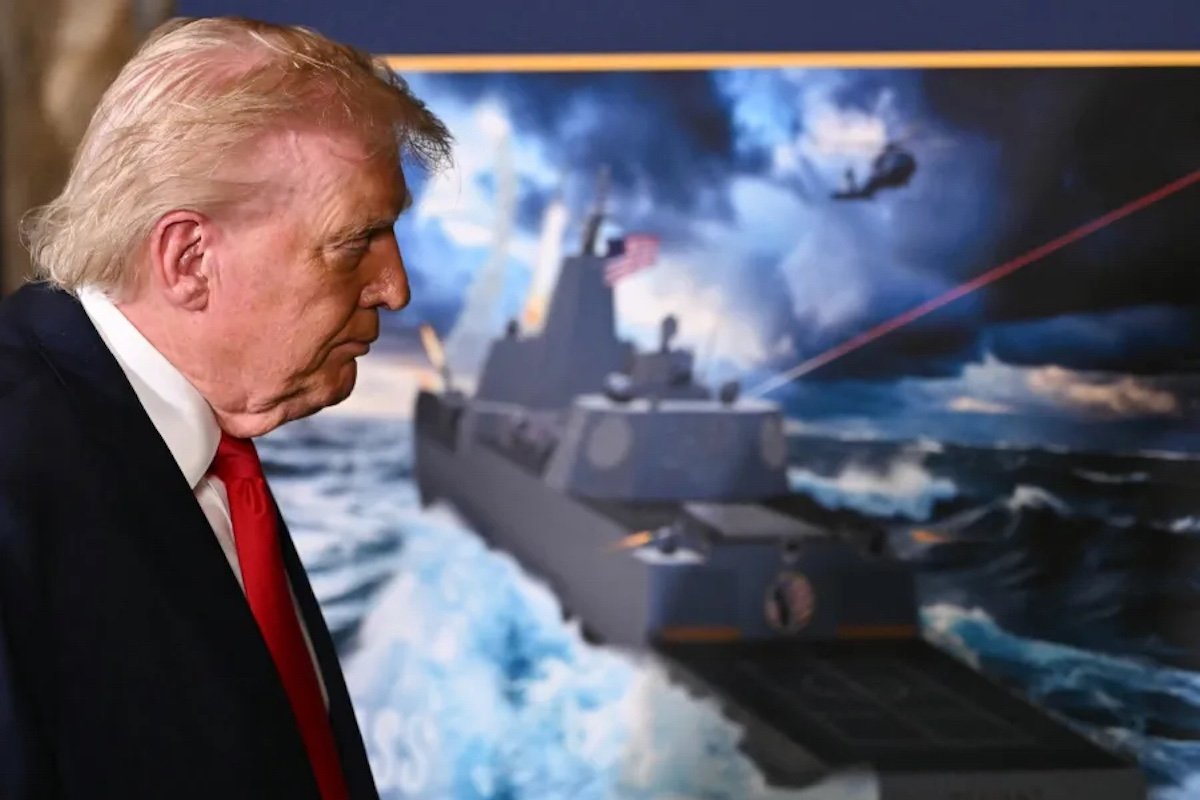
The US Navy's proposed Trump-class nuclear-powered guided missile battleship is shaping up to be a monument to a bygone era of naval warfare—a prestige project that may not answer the service's pressing needs for modernization, resilience, and cost-effective power projection.
According to a recent report from the Congressional Budget Office (CBO), the program would cost roughly $275 billion in 2026 dollars to construct 15 ships between 2028 and 2056, averaging over $18 billion per hull. The lead ship, the 35,000-ton USS Defiant, is projected to cost $23.4 billion—about 13% more than a conventionally powered alternative due to nuclear propulsion. If built, the BBGN-1 would be the largest and most heavily armed surface combatant the US Navy has fielded since World War II.
Industrial and strategic strains
The 2027 shipbuilding plan that accompanies the battleship proposal presents severe industrial base challenges. By replacing the canceled DDG(X) program while keeping Arleigh Burke-class destroyer production, the plan would more than double the required annual tonnage of large surface combatants by 2035, increasing 30-year production tonnage by 60%. Final assembly at Newport News Shipbuilding—the only certified nuclear-capable yard—would likely exacerbate existing multi-year delays across aircraft carrier and submarine programs, even as smaller FF(X) frigates reduce small-combatant tonnage burdens by 45%.
The central question is whether the battleship's concentration of firepower, survivability, and operational independence can justify its extraordinary cost, industrial burden, and vulnerability in an era of distributed, networked, and increasingly asymmetric naval warfare.
Arguments for the battleship
Geoffrey Till, in a February 2026 report for the S. Rajaratnam School of International Studies (RSIS) in Singapore, argues that the concept addresses real vulnerabilities in modern naval doctrine, which disperses lethality across smaller, networked platforms to prevent single points of failure. Till notes that networked systems rely on unbroken data links, which are vulnerable to disruption, and that sustaining dispersed forces creates significant logistics problems and interoperability challenges.
In response, Till suggests that the Trump-class could serve as a self-sufficient operational safeguard if digital networks fail, with its massive hull housing weapons, computers, and sensors that make it independent of external data links. Unlike smaller combatants, a capital ship possesses the structural design to withstand heavy battle damage.
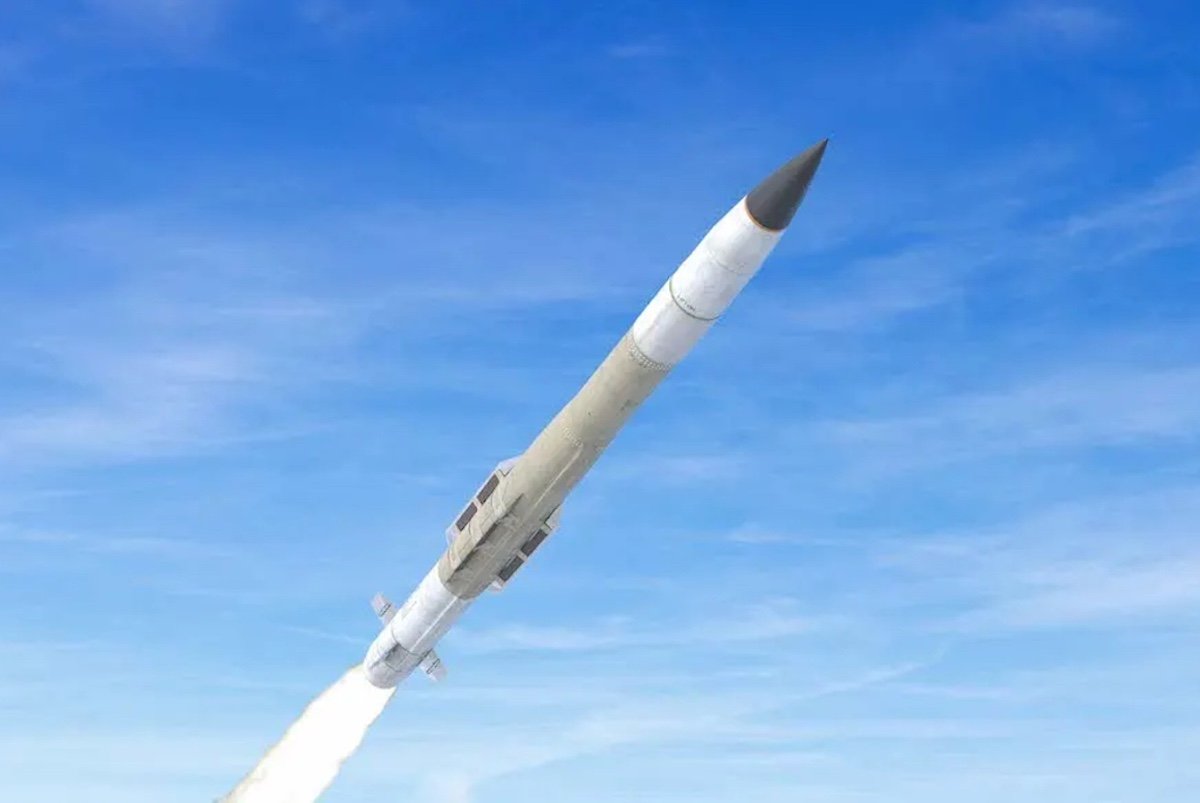
Compared with carriers, which project power through embarked aircraft over sustained campaigns, the CBO says the Trump-class would deliver immediate surface-launched firepower directly from its hull. A typical US carrier wing consists of 74 aircraft; the battleship is envisioned to carry 128 vertical launch system (VLS) cells, 12 hypersonic Conventional Prompt Strike (CPS) missiles, high-powered lasers, and a railgun—a self-contained, heavy-salvo combatant rather than an air-projection capital ship.
Vulnerability and cost concerns
However, Dan Grazier, writing in a Responsible Statecraft report this month, highlights acute operational vulnerability. In an era of proliferating uncrewed vessels, submarines, and shore-based anti-ship and hypersonic missiles, concentrating vast capability onto a single hull creates severe tactical exposure. Grazier cites Ukraine's effective denial of the Black Sea to Russia's fleet using uncrewed vessels and missiles, warning that assuming large surface combatants will remain viable over a thirty-year timeline ignores modern warfare realities.
While lasers and other advanced defensive systems have been proposed, many remain technologically immature. The Trump-class would also face the persistent undersea threat from increasingly capable attack submarines and torpedoes.
Building the ships: domestic or allied?
Operational viability is only part of the problem. Alex Lee, in a Center for Maritime Strategy (CMS) article this month, argues that building the ships in the US is impossible due to severe neglect of the shipbuilding industry, soaring costs, and political paralysis. Lee proposes foreign co-production with Japan or South Korea, outsourcing hull manufacturing and fitting those overseas-welded hulls with advanced US sensors, weapons, railguns, and nuclear propulsion. This hybrid model could circumvent domestic bottlenecks while leveraging efficient allied capacity.
However, Rebecca Grant, in a July 2025 Lexington Institute article, cautions against outsourcing even to close allies. She points out that foreign shipyards remain unproven in meeting strict US combat survivability and shock testing standards, and that foreign delivery schedules exclude full combat systems. Allied yards also suffer labor deficits and market erosion from China. Grant adds security risks from Chinese surveillance in foreign ports and notes that US laws—specifically the Byrnes-Tollefson Act—prohibit US warships and major components from being built in foreign yards.
The debate over the Trump-class battleship is not just about one ship class; it reflects a broader tension between traditional capital-ship thinking and the realities of modern, distributed warfare. As the US Navy weighs its options, the lessons from the Indo-Pacific—where economic pressures and strategic competition are reshaping priorities—suggest that flexibility and resilience may matter more than sheer firepower.