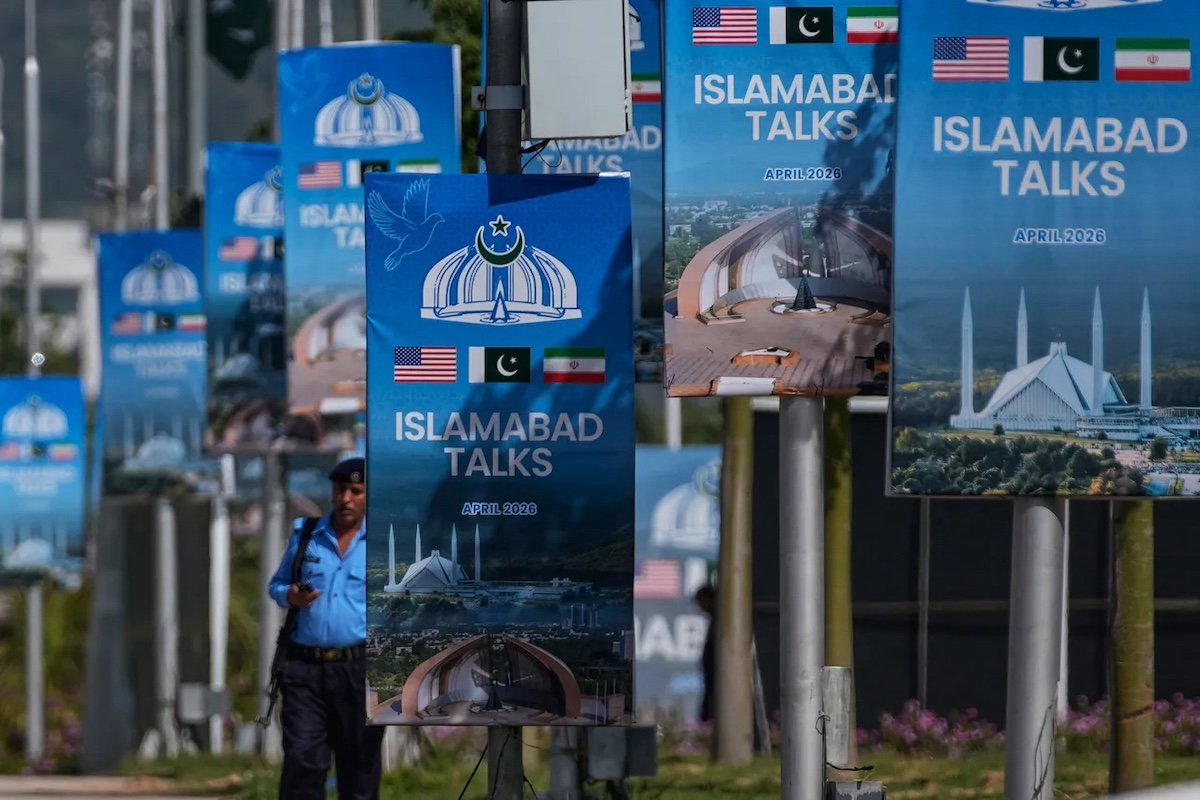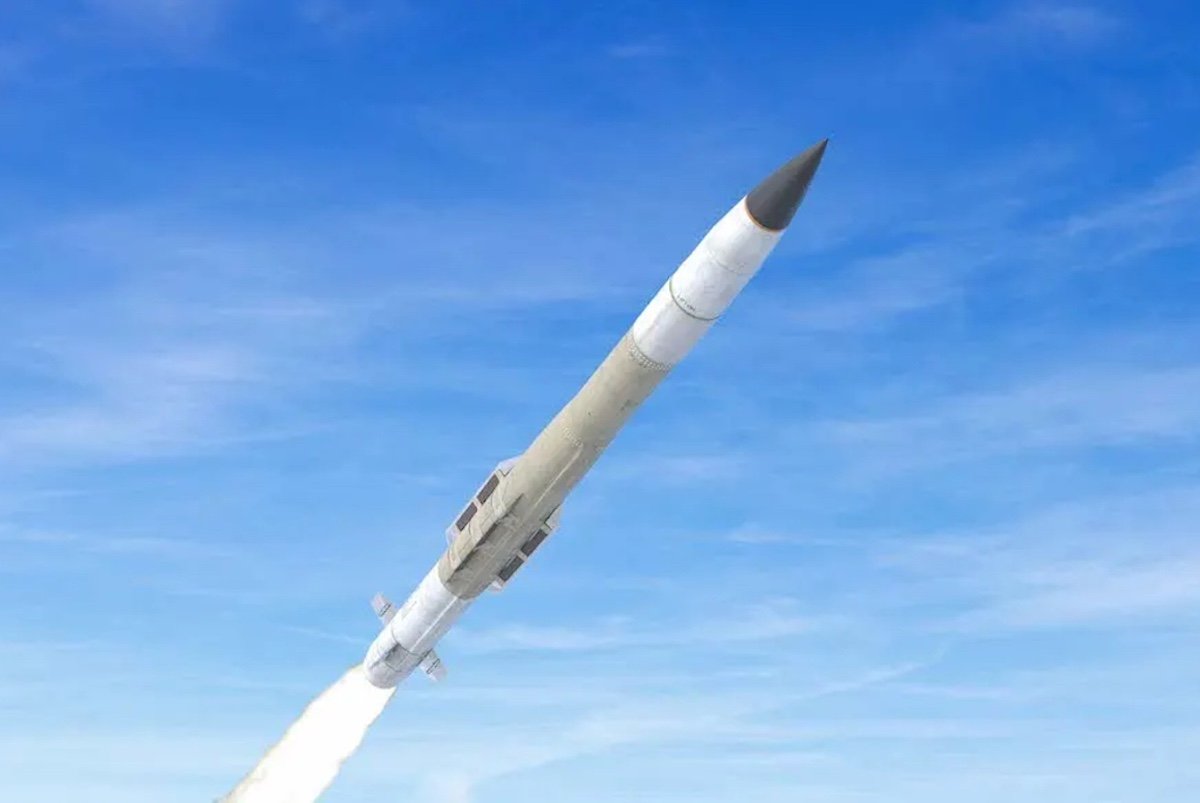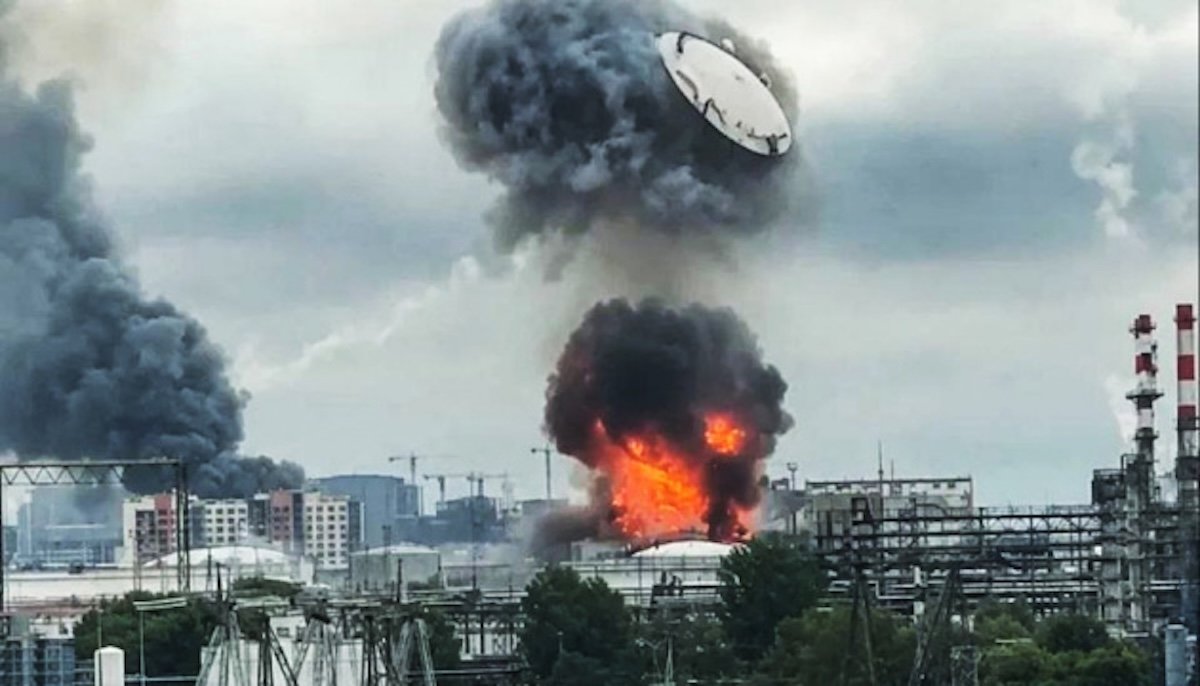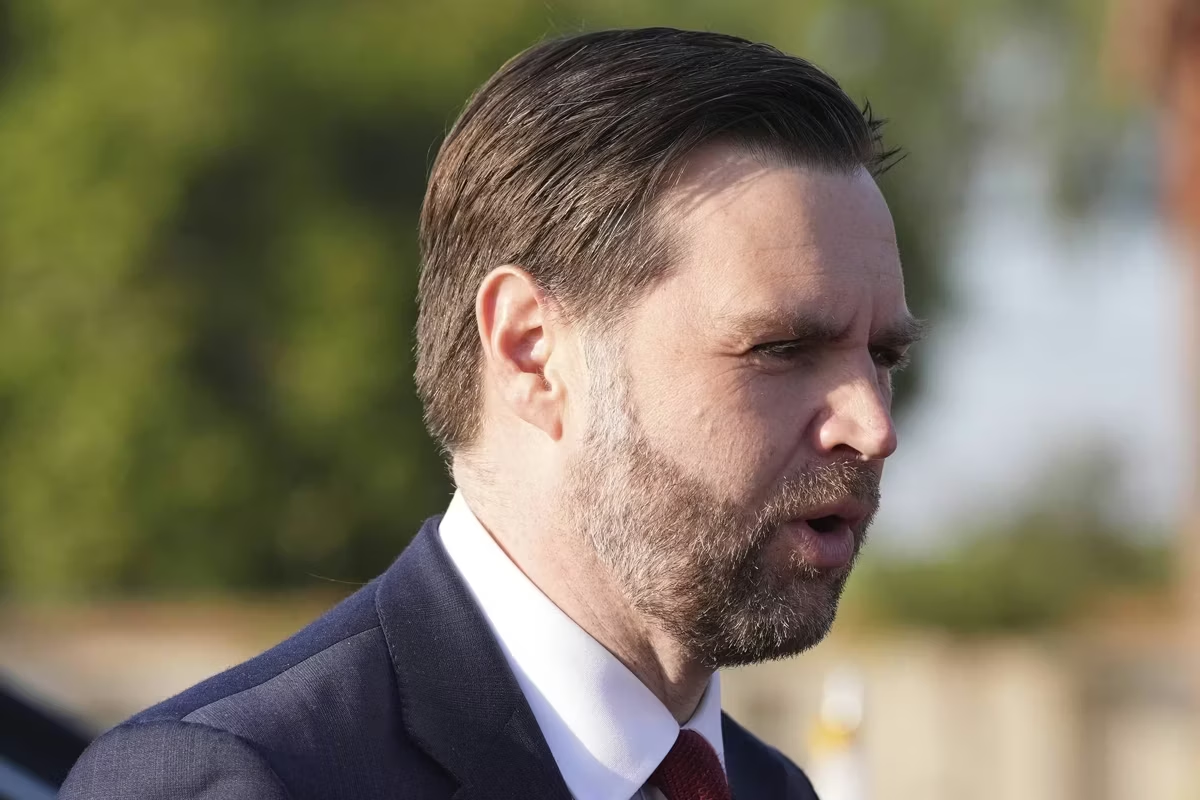
President Donald Trump announced on Sunday a military blockade of the Strait of Hormuz, escalating a conflict that has already seen 43 days of US and Israeli bombing of Iran. The decision came hours after Vice President JD Vance's negotiating team concluded talks in Islamabad, Pakistan, without securing Iranian trust or concessions on the nuclear program.
In a post on his Truth Social network, Trump wrote that the blockade is effective immediately, closing the waterway through which roughly 20 percent of the world's oil once passed. He accused Iran of extortion, claiming Tehran has used the threat of mines to extract tolls from commercial shipping. Trump vowed to interdict any vessel that has paid such tolls and to destroy Iranian mines, warning that any Iranian fire would be met with overwhelming force.
The announcement has alarmed observers across Asia, where nations such as Japan, South Korea, India, and China rely heavily on oil and liquefied natural gas transiting the Strait of Hormuz. The US-Iran stalemate in Hormuz is already straining alliances and reshaping Asian energy security, with countries scrambling to secure alternative supplies.
Failed Diplomacy in Islamabad
Vance's talks with Iranian officials in Islamabad were the first direct high-level negotiations between the two countries since 1979. The vice president stated that the core US goal is an affirmative commitment from Iran not to seek nuclear weapons or the tools to quickly achieve them. However, Iranian Parliamentary Speaker Mohammad Baqer Ghalibaf blamed the US for the breakdown, citing a history of broken promises.
“My colleagues on the Iranian delegation raised forward-looking initiatives, but the opposing side ultimately failed to gain the trust of the Iranian delegation in this round of negotiations,” Ghalibaf said on X. He noted that the delegation was named after the town of Minaab, where 168 children and staff at an elementary school were killed in a US cruise missile strike on the first day of the war.
Ghalibaf emphasized that Iran had entered talks with good faith but could not trust the US after two previous wars. Just hours before Trump ordered the bombing of Iran in February, Omani Foreign Minister Badr bin Hamad Al Busaidi, the mediator, had said a peace deal was within reach. That contradiction has fueled Iranian accusations of bad faith.
Regional and Global Repercussions
The blockade threatens to disrupt global energy markets and has drawn sharp criticism from analysts. Medea Benjamin, co-founder of CodePink, called the policy contradictory: “Trump wants to open the Strait of Hormuz by closing the Strait of Hormuz. Blow up the world economy to punish Iran.” Ryan Costello of the National Iranian American Council described the blockade as an act of war, illegal under domestic and international law, and disastrous for US interests and regional security.
Journalist Séamus Malekafzali called it “the most insane, designed-to-backfire policy under this administration.” The move also raises questions about the impact on Asian economies. Disruptions in the Strait of Hormuz threaten Asia's fertilizer supply and food prices, compounding risks for import-dependent countries.
Trump and Secretary of State Marco Rubio attended a Ultimate Fighting Championship match in Miami while Vance led the talks. The president has previously vowed to bomb Iran “back to the Stone Ages,” and the US and Israel have struck more than 13,000 targets, killing over 3,000 people, including hundreds of women and children, according to Iranian medical officials. Israel's concurrent bombing of Lebanon has also killed hundreds of civilians.
Iran has given assurances it would not build nuclear weapons under the 2015 Joint Comprehensive Plan of Action, which Trump unilaterally scrapped during his first term despite Iran's full compliance. Every US administration since George W. Bush has concluded that Iran is not seeking nuclear weapons. The blockade now threatens to further destabilize a region already reeling from war.